So you're thinking about Dogecoin. Maybe you heard about it from a friend, saw a meme, or just noticed the wild price swings on the news. That "doge to usd" question is probably bouncing around in your head – how much is it really worth, how do I get some, and what am I actually getting into? Let's be real, the crypto world is confusing enough without adding Shiba Inu dogs into the mix.
I remember the first time I tried to figure out the Dogecoin to USD conversion. I was staring at a chart that looked like a heart attack on a screen, trying to understand why a joke currency was getting so much serious attention. It was equal parts fascinating and terrifying.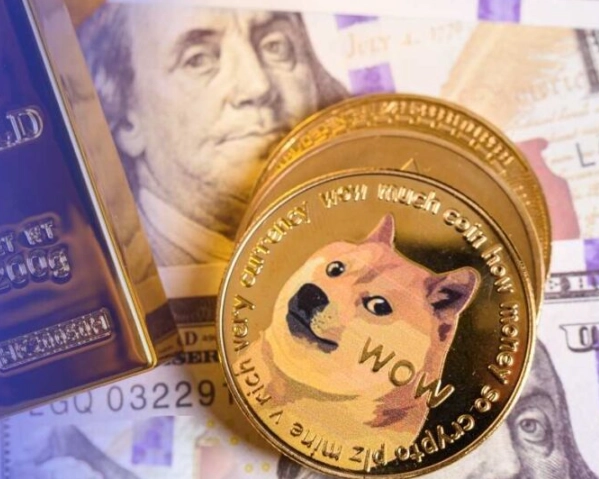
This guide is here to cut through the noise. We're not going to promise you'll get rich (anyone who does is selling something). Instead, we'll walk through what Dogecoin actually is, how to convert DOGE to USD safely, what makes its price move, and the very real things you need to watch out for. Consider this your practical handbook, written by someone who's made a few mistakes along the way so you hopefully don't have to.
Quick Navigation
- What Even Is Dogecoin? From Meme to Mainstream
- How to Convert Dogecoin to USD: A Step-by-Step Walkthrough
- What Moves the Dogecoin to USD Price? It's Not Just Elon
- The Not-So-Fun Stuff: Risks, Taxes, and Security
- Tracking the Dogecoin to USD Price: Best Tools and Resources
- Common Questions About Converting Dogecoin to USD
What Even Is Dogecoin? From Meme to Mainstream
Let's start at the beginning, because context matters. Dogecoin was created in 2013 by Billy Markus and Jackson Palmer as a literal joke. It was meant to make fun of the absurd speculation happening around Bitcoin and other early cryptocurrencies. They took the popular "Doge" meme (the Shiba Inu with the comic sans thoughts) and built a coin around it. The irony, of course, is that the joke got wildly out of hand.
Technically, it's a cryptocurrency, which means it's a digital asset secured by cryptography on a decentralized network (a blockchain). It was actually based on Luckycoin, which itself was a fork of Litecoin. The key thing that set it apart early on was its supply. Unlike Bitcoin's hard cap of 21 million, Dogecoin initially had no cap, with billions of coins in existence and more created all the time through mining. This was by design – it was supposed to be a cheap, fun, tipping currency for the internet, not a scarce store of value.
The community around it was (and still can be) its best feature – generous, funny, and less toxic than other crypto spaces.
Then Elon Musk happened. His tweets, starting around 2019 and exploding in 2021, turned Dogecoin from a niche internet joke into a global phenomenon. Suddenly, everyone was asking about the doge to usd rate. Its price went parabolic, creating millionaires and then just as quickly wiping some of them out when it crashed. This cycle cemented its place not just as a meme, but as a serious (if highly volatile) financial asset that people trade every single day.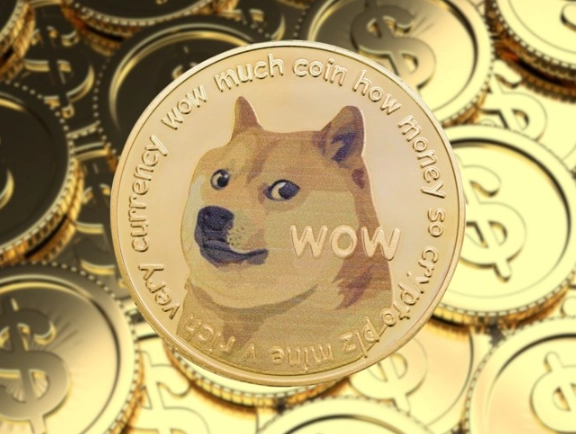
The wild ride of Dogecoin's price proves one thing in crypto: narrative and community can be just as powerful as technical fundamentals, for better or worse.
How to Convert Dogecoin to USD: A Step-by-Step Walkthrough
This is the core of what you're here for. Converting your Dogecoin into real, spendable US dollars involves a few key steps. It's not as simple as clicking a button on a single website (usually). The process typically flows through a cryptocurrency exchange.
Step 1: Find a Reliable Cryptocurrency Exchange
You can't convert DOGE to USD in your backyard. You need a platform that acts as a middleman, matching buyers and sellers. There are dozens, but you want one that is reputable, secure, and available in your country. The big names you've likely heard of are a good starting point.
Here’s a quick comparison of some major players that support Dogecoin trading and USD withdrawals:
| Exchange | Dogecoin Trading Pair | USD Withdrawal Method | Key Consideration |
|---|---|---|---|
| Coinbase | DOGE/USD | Bank Transfer (ACH), PayPal, Debit Card* | Very user-friendly, great for beginners. Fees can be on the higher side for simple trades. |
| Binance.US | DOGE/USD | Bank Transfer (ACH) | Lower trading fees, more advanced charting tools. Not available in all U.S. states. |
| Kraken | DOGE/USD | Bank Transfer (SWIFT & Domestic) | Strong security reputation, good for larger amounts. Interface can feel complex to new users. |
| Crypto.com | DOGE/USD | Bank Transfer, Debit Card | App-centric, offers a Visa card to spend crypto. Spreads (the difference between buy/sell price) can be wide. |
| Robinhood | DOGE/USD (CFP) | Bank Transfer | Extremely simple to use. Important: You don't own the actual Dogecoin keys; you own a contract for difference. You cannot transfer DOGE out to a private wallet. |
My personal go-to has been a mix of Coinbase for its simplicity when I'm in a hurry, and Kraken when I'm moving a larger amount and want that extra peace of mind on security. You'll develop your own preference.
Step 2: The Actual Conversion Process (Selling DOGE for USD)
Once your exchange account is set up and verified (they'll need your ID, this is unavoidable), and you've deposited DOGE into it, you're ready to sell. This usually means placing a "sell order."
- Market Order: You sell your DOGE immediately at the best available current price. It's fast and guaranteed, but you might not get the absolute perfect price if the market is moving fast.
- Limit Order: You set a specific price at which you want to sell (e.g., $0.15 per DOGE). The order will only execute if the market reaches that price. This gives you control but no guarantee it will sell if the price never hits your target.
For most people just looking to convert their Dogecoin to USD, a market order is fine. The difference will be pennies unless you're trading thousands of dollars worth.
Step 3: Withdrawing Your USD to Your Bank
After the sale, you'll have a USD balance sitting in your exchange account. This is not yet in your bank account. You need to initiate a withdrawal. Navigate to the "Withdraw" or "Cash Out" section, link your bank account (if you haven't already), and send the money. The speed and fee depend entirely on the exchange and your bank.
Write this down: Always double-check the bank account details before hitting confirm.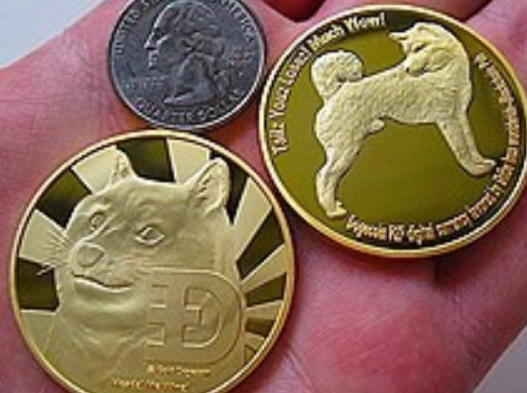
What Moves the Dogecoin to USD Price? It's Not Just Elon
If you're going to hold or trade DOGE, understanding what causes those insane green and red candles is crucial. It's a unique beast.
Let's be brutally honest: Dogecoin's price is disproportionately influenced by social media sentiment and celebrity endorsements compared to most other major cryptocurrencies. This makes it inherently more unpredictable.
Here are the major price drivers, broken down:
| Factor | How It Affects DOGE/USD | Example |
|---|---|---|
| Social Media & Celebrity Hype | Extremely High Impact. A single tweet from a major figure can cause double-digit percentage swings in minutes. | Elon Musk's appearance on SNL in May 2021. The price often pumps in anticipation of his tweets and then sells off on the news. |
| Overall Crypto Market Sentiment | High Impact. When Bitcoin and Ethereum are in a bull market, "altcoins" like DOGE tend to rise. In a "crypto winter," DOGE usually falls harder. | The 2021 bull run saw DOGE reach its all-time high. The 2022 bear market brought it down over 90% from that peak. |
| Adoption & Utility News | Medium Impact. Real-world use cases can provide sustainable support, not just hype. | Companies like AMC Theatres or Newegg accepting DOGE as payment. Integration into payment systems like BitPay. |
| Exchange Listings | Medium Impact. Being listed on a major exchange like Coinbase (which happened in 2021) gives millions of new users easy access, increasing demand. | The initial listing on Coinbase Pro caused a significant price surge as institutional and retail interest spiked. |
| Technical Developments | Lower Impact (but growing). Unlike Ethereum, Dogecoin's development is slower. However, updates can affect long-term viability. | The ongoing work by core developers on fee reduction and network efficiency. The collaboration with Ethereum through Dogechain (a sidechain). |
You'll notice "team roadmap" or "institutional investment reports" aren't high on this list. That's what makes doge to usd trading so different. It's often less about reading white papers and more about reading the room on Twitter and Reddit. Honestly, I think this is its biggest weakness as a "serious" investment, but it's also what makes it uniquely entertaining and dangerous.
The Not-So-Fun Stuff: Risks, Taxes, and Security
Nobody likes this part, but skipping it is how people get hurt. Converting and holding Dogecoin comes with real strings attached.
Volatility: Your Best Friend and Worst Enemy
The price can drop 20% before you finish your morning coffee. It can also rise just as fast. This isn't a theoretical risk; it's a daily reality. You must only put in money you are 100% prepared to lose. Seeing your DOGE to USD value cut in half is a gut-wrenching experience if that money was for rent or groceries.
Tax Implications in the United States
The IRS treats cryptocurrency as property, not currency. This has huge implications.
- Every time you sell DOGE for USD, it's a taxable event. You must calculate your capital gain or loss (sale price minus purchase price).
- Holding period matters. If you held the DOGE for over a year, it's taxed at the generally lower long-term capital gains rates. Under a year, it's taxed as short-term capital gains (at your ordinary income tax rate).
- You are responsible for reporting. Exchanges like Coinbase issue 1099 forms for high-volume users, but the legal responsibility is yours. Using a crypto tax software like CoinTracker or Koinly is almost a necessity if you trade with any frequency.
Ignoring crypto taxes is a fantastic way to get a scary letter from the IRS down the road. Keep detailed records of every single trade, including the date, amount in DOGE, and the USD value at the time of the trade.
Security: Not Your Keys, Not Your Crypto
If you leave your Dogecoin on an exchange, you are trusting that exchange with your money. Exchanges can be hacked (though major ones have strong security), frozen, or even go bankrupt (remember FTX?).
I learned this the hard way years ago with a different coin on a now-defunct platform. A small withdrawal fee to move to my own wallet is the best insurance premium you'll ever pay.
Tracking the Dogecoin to USD Price: Best Tools and Resources
You can't make informed decisions without good data. Here’s where I go to track the doge/usd price and the market mood.
- CoinMarketCap or CoinGecko: The staples. They show real-time price, market cap, trading volume, and historical charts. I prefer CoinGecko's interface for checking simple trends.
- TradingView: For any serious chart analysis. The tools for drawing trend lines, checking indicators (like RSI, MACD), and comparing DOGE to other assets are unmatched. It's where you go to try to understand the "why" behind the price moves.
- Social Sentiment Gauges: Since DOGE lives on hype, I sometimes glance at tools that track social volume and sentiment, though take them with a mountain of salt. They can show you when hype is peaking (often a sell signal).
Bookmark a good price tracker. Constantly refreshing your exchange app is a recipe for anxiety and bad, emotional decisions.
Common Questions About Converting Dogecoin to USD
Yes and no. Websites like CoinMarketCap have a built-in converter tool where you can type in an amount of DOGE and see its approximate USD value based on the current market price. This is great for a quick check. However, this is just a price quote, not an actual conversion service. To actually get USD into your bank account, you still need to use an exchange as described above.
This confuses everyone at first.
DOGE/USD means you are trading Dogecoin directly for US Dollars (actual fiat currency).
DOGE/USDT means you are trading Dogecoin for Tether (USDT), which is a "stablecoin" cryptocurrency pegged to the value of $1 USD.
Why does this matter? Many exchanges, especially international ones that don't have easy banking for USD, use USDT as the dollar stand-in. You might sell your DOGE for USDT first, then later convert that USDT to actual USD on a different platform that allows it. It adds a step but is very common.
The selling part (converting DOGE to a USD balance on the exchange) is instant. The withdrawal to your bank is the slow part. Typically:
- ACH Transfer (U.S.): 1 to 5 business days. This is the most common.
- Wire Transfer: Usually same-day or next business day, but often has a fee ($10-$30).
- Debit Card/ PayPal: Can be near-instant, but watch for higher fees (sometimes 2-4%).
Plan for at least a week for the full process from deciding to sell to having spendable cash, just to be safe.
Absolutely. Every exchange has daily, weekly, and monthly withdrawal limits for USD. These limits start low for new, unverified accounts and increase as you complete more levels of identity verification (providing your ID, proof of address, etc.). If you're planning to convert a large amount (say, over $10k), you'll need to be fully verified and may need to contact the exchange's support in advance to ensure a smooth process. They have anti-money laundering rules to follow.
To minimize costs, follow this path:
1. Use an exchange with low trading fees (like Binance.US or Kraken Pro) for the actual sale.
2. Use a limit order instead of a market order to avoid the "spread" cost (the difference between buy and sell price).
3. Withdraw your USD via ACH bank transfer, which almost always has the lowest (or zero) withdrawal fee.
Avoid debit card withdrawals and instant cash-outs unless speed is absolutely critical and worth the premium.
A final thought: Dogecoin is a fascinating experiment in internet culture meeting finance. Whether you're here for the memes, the community, or the speculative thrill, always anchor yourself with the basics: security, taxes, and an honest assessment of risk. Knowing exactly how to navigate the doge to usd conversion is your first step in being a smarter participant, not just a spectator.
The landscape changes, new exchanges pop up, and regulations evolve. Keep learning, stay skeptical of promises that sound too good to be true, and never invest more than you can afford to lose. Now you've got the map – how you navigate is up to you.
Reader Comments