You've probably heard the pitch: Bitcoin is digital gold, a store of value for the future. But try buying a coffee with it. You'll wait 10 minutes for a confirmation, and the transaction fee might cost more than the latte. This is the problem the Bitcoin Lightning Network was built to solve. Forget the abstract technical whitepapers for a second. I'm going to explain what the Lightning Network actually feels like to use, where it genuinely shines today, and the very real, rarely discussed friction points you'll encounter if you try it yourself.
What You'll Learn in This Guide
How Does the Lightning Network Actually Work? (Forget the Jargon)
Think of the main Bitcoin blockchain as a crowded, slow, and expensive interstate highway. Every car (transaction) has to merge onto this single road, causing traffic jams and high tolls (fees). The Lightning Network builds a web of private, two-lane country roads off that highway.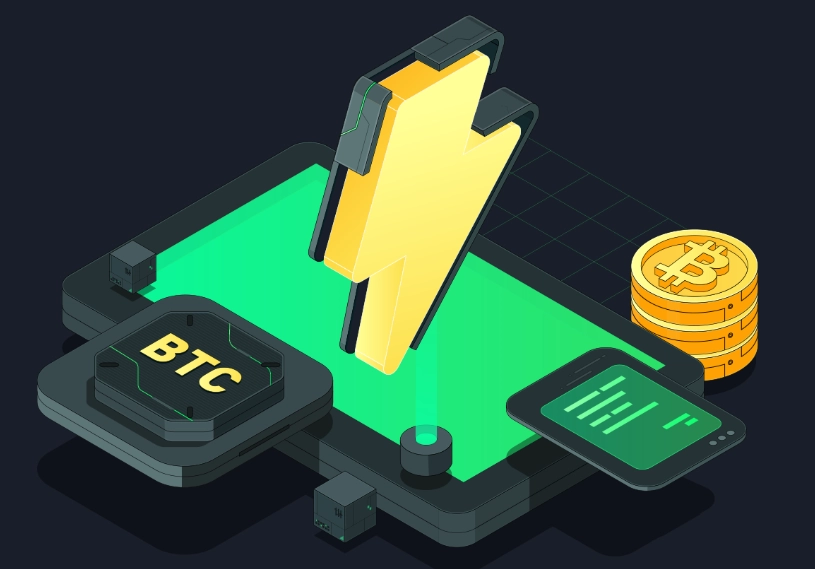
Here’s the step-by-step, stripped of complexity:
Let's break down the key components that make this possible:
Payment Channels & The Magic of Hashed Timelock Contracts (HTLCs)
A payment channel is a 2-of-2 multisignature wallet on the Bitcoin blockchain. You and your counterparty each put in some funds. The "channel state" is a signed agreement on who owns what share of that pot. Every time you send 0.001 BTC, you both sign a new balance sheet. The old one becomes invalid.
This is enforced by clever cryptography called HTLCs. It's what lets you pay someone you don't have a direct channel with. Your payment hops through a network of connected channels. Each hop only knows it's passing along a secret, not the full payment path or amount. It's like a digital game of hot potato with a secret password.
The most common mistake newcomers make? They think opening and closing channels is a daily chore. It's not. You open a few channels to well-connected nodes (think of them as major intersections), and you can then pay thousands of people through them without ever touching the main chain again.
| Feature | Bitcoin Base Layer (On-Chain) | Lightning Network (Off-Chain) |
|---|---|---|
| Transaction Speed | ~10 minutes to 1+ hour for confirmation | Instant (seconds) |
| Typical Fee | $1 - $50+ (varies with network congestion) | Less than $0.01 (often a fraction of a cent) |
| Best For | Large settlements, storing wealth, final settlement | Micro-payments, coffee, streaming, tipping, small retail |
| Privacy | Fully transparent public ledger | Enhanced (only channel parties see individual payments) |
| Complexity | Simple send/receive | Requires managing channels & liquidity |
Where to Actually Use the Lightning Network Right Now
This isn't just a lab experiment. People are using it. The ecosystem is still young, but it's vibrant. Here’s where Lightning makes a tangible difference today.
- Content Monetization & Tipping: This is Lightning's killer app. Platforms like Stacker.news (a Bitcoin-centric forum) use it for upvotes. I've tipped writers directly on their blogs with a few clicks. It feels like the early, pure internet.
- Gaming & Digital Goods: In-game asset micro-transactions are a perfect fit. Why pay a 30% app store fee to buy 100 gems? Lightning can handle that for a microscopic cost.
- Cross-Border Remittances: Sending money home to family abroad. Traditional services take days and charge 5-10%. With Lightning, it's there in seconds for pennies. The hurdle isn't the tech; it's the on/off ramps (getting local currency in and out).
- Payments in Countries with High Inflation: In places like Argentina or Turkey, where local currency is unstable, receiving tips or payments in sats (tiny fractions of Bitcoin) over Lightning is a lifeline for some freelancers.
I tried an experiment last month. I funded a Lightning wallet and used it for a week. Bought a VPN subscription from a provider that accepted it directly (saved 10% compared to credit card). Topped up my prepaid mobile phone in El Salvador (yes, that's a thing). Sent $5 to a contributor in another country for some design help. The experience was seamless—until I ran into the liquidity issue I'll discuss later.
How to Get Started with Lightning: A No-Nonsense Walkthrough
Ready to try? Don't overthink it. Start small. Here’s my practical advice, the kind I'd give a friend.
Step 1: Choose a Wallet. This is the most important decision. You have two main types:
- Custodial Wallets (Easy Mode): Like Wallet of Satoshi or a Lightning-enabled exchange wallet (e.g., Kraken, Bitfinex). They manage the channels, liquidity, and backups for you. It's as easy as a PayPal balance. Downside: You don't control the Bitcoin. Not your keys, not your coins. Perfect for a small spending balance.
- Self-Custody Wallets (Pro Mode): Like Phoenix (for mobile) or Zeus (advanced). You control the private keys and channel management. Phoenix is fantastic for beginners—it automatically opens and manages channels in the background. You just see a balance and a send/receive button.
My recommendation: Start with a custodial wallet to get the feel. Put $20 in. Play with it. Once you're comfortable, move to a self-custody option like Phoenix for larger amounts.
Step 2: Get Some Sats. You can buy Bitcoin directly in many Lightning wallets via MoonPay or similar. Or, deposit Bitcoin from an exchange to your wallet's on-chain address, then use the wallet's internal "swap" function to move it to Lightning (this incurs a one-time on-chain fee). Some wallets let you buy Lightning Bitcoin directly.
Step 3: Find a Place to Spend or a Person to Pay. Go to a site like Lightning Network Stores. Look for a donate button on a blog or podcast you like. Ask a friend who's into crypto if they have a Lightning address (it looks like `lnbc1...` or a QR code).
The Challenges, Trade-Offs, and Expert Nitty-Gritty
Here's where most guides stop. They paint a rosy picture. Let's get real. Lightning has rough edges. Understanding them is what separates a savvy user from a frustrated one.
1. The Liquidity Problem (The "Inbound Capacity" Headache)
This is the biggest practical hurdle. Opening a channel gives you outbound liquidity (you can send). To receive money, you need inbound liquidity—someone needs to have put funds on the other side of your channel.
Imagine a hose. You can only spray water out if it's already connected to a faucet with water pressure. If you just connect an empty hose, nothing comes out.
Most wallets solve this by opening a channel to you when you first receive. But if you're running your own node, managing inbound liquidity is an active task. You might need to spend to receive, or use services called "liquidity ads." It's a layer of complexity the average user shouldn't have to see, and thankfully, modern wallets are abstracting this away.
2. It's Not Perfectly Private or Decentralized
While individual payments are more private, the network topology isn't. Large, well-connected routing nodes exist. If you're not careful, a lot of your payments might route through a few big players. This creates potential centralization points—the very thing Bitcoin was meant to avoid. The network is healthier if users open direct channels to merchants and friends they transact with regularly.
3. The Watchtower Problem (For Self-Custody Users)
If you run a non-custodial node and go offline for a long time, a malicious counterparty could try to close the channel with an old, favorable balance sheet. You need a "watchtower"—a service that watches for fraud—or you need to be online regularly. Again, wallets like Phoenix handle this in the background, but it's a critical part of the security model you delegate.
Is Lightning the Future? My Take
The Lightning Network isn't a replacement for the Bitcoin base chain. It's a symbiotic layer. The base chain is for high-value, final settlement—the bedrock. Lightning is for the vibrant, fast-paced economy built on top of that bedrock.
Its success hinges on two things: better user experience and reliable fiat on/off ramps. The UX is getting better every month. The ramps are the harder part, tied to regulations and banking partnerships.
I'm bullish on its niche. It won't kill Visa for your grocery run next year. But it's already creating new economic models—streaming sats per second for video, pay-per-use API calls, frictionless global freelancer payments—that traditional finance can't touch. That's where its real power lies.
Reader Comments