If you're trading on Kucoin, you've probably wondered how to predict token prices without relying on guesswork. I've been in crypto since 2014, and let me tell you, most price predictions are either overly optimistic or just recycled hype. This guide cuts through the noise. We'll dive into practical methods, tools, and my own mistakes to help you make sense of Kucoin token price movements. Whether you're eyeing KCS or other tokens, the goal is to build a strategy that works when markets get chaotic.
What's Inside This Guide
Understanding Kucoin and Its Key Tokens
Kucoin isn't just another exchange. It's a major player with its own ecosystem, and that matters for price prediction. Founded in 2017, Kucoin has grown by listing a wide range of tokens, from established coins like Bitcoin to newer DeFi projects. But the token you should watch closely is KCS, their native platform token.
What is Kucoin Exchange?
Kucoin operates globally, offering spot trading, futures, and lending services. It's known for user-friendly features and low fees, which attract both beginners and pros. For price prediction, you need to consider Kucoin's own developments—like new product launches or security updates—because they can impact token prices directly. I remember when Kucoin added staking for KCS; the price jumped 15% in a week, but many missed it because they weren't tracking exchange news.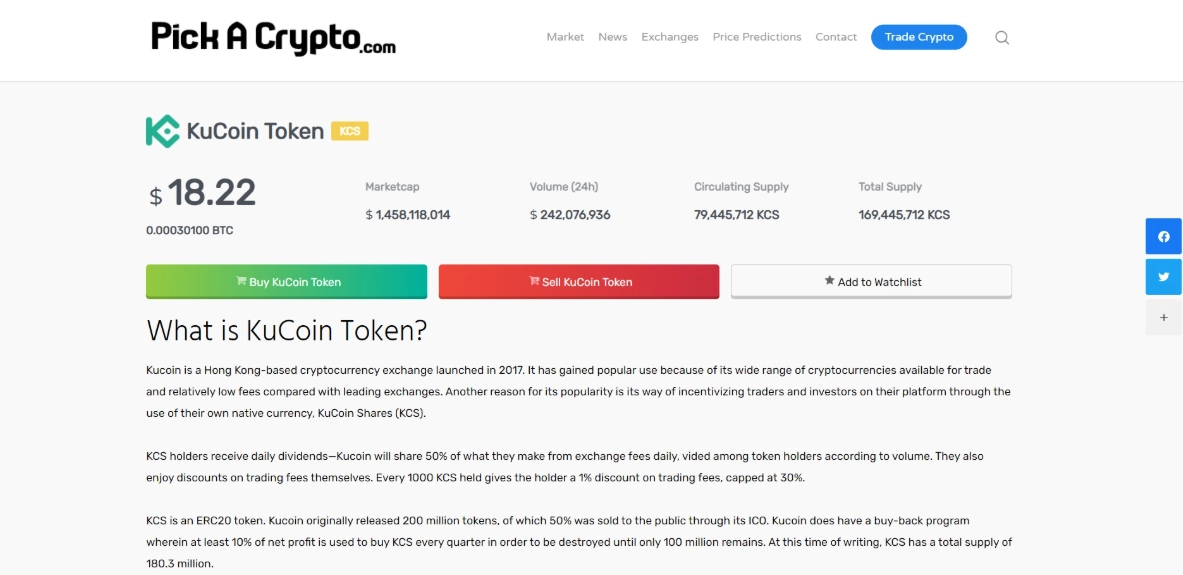
Key Tokens on Kucoin: KCS and Others
KCS is the star here. It's used for fee discounts, dividends from exchange revenue, and governance. Other popular tokens on Kucoin include altcoins like Chainlink (LINK) or Polkadot (DOT), but KCS has unique dynamics. Its price often correlates with Kucoin's trading volume and user growth. If you're predicting KCS, ignore generic crypto trends—focus on exchange-specific metrics. For example, check Kucoin's quarterly reports on their blog; they sometimes hint at token burns or rewards that affect supply.
How to Predict Kucoin Token Prices: Core Methods
Prediction isn't magic. It's about combining data with context. Most traders overuse technical analysis and forget fundamentals, which is a recipe for losses. Here's a balanced approach I've refined over years.
Technical Analysis Methods
Technical analysis (TA) involves studying price charts and indicators. On Kucoin, use their built-in charts or plug into TradingView. Key indicators for tokens like KCS include:
- Moving averages: The 50-day and 200-day MAs help spot trends. When KCS crossed above its 50-day MA last month, it signaled a short-term uptrend.
- Relative Strength Index (RSI): An RSI above 70 means overbought, below 30 oversold. But with KCS, I've seen it stay overbought for weeks during bull runs, so don't rely solely on this.
- Support and resistance levels: Identify where prices bounce or break. For KCS, $10 has been a psychological resistance level multiple times.
TA works best with high liquidity tokens. For low-volume tokens on Kucoin, charts can be noisy—so always cross-check with volume data.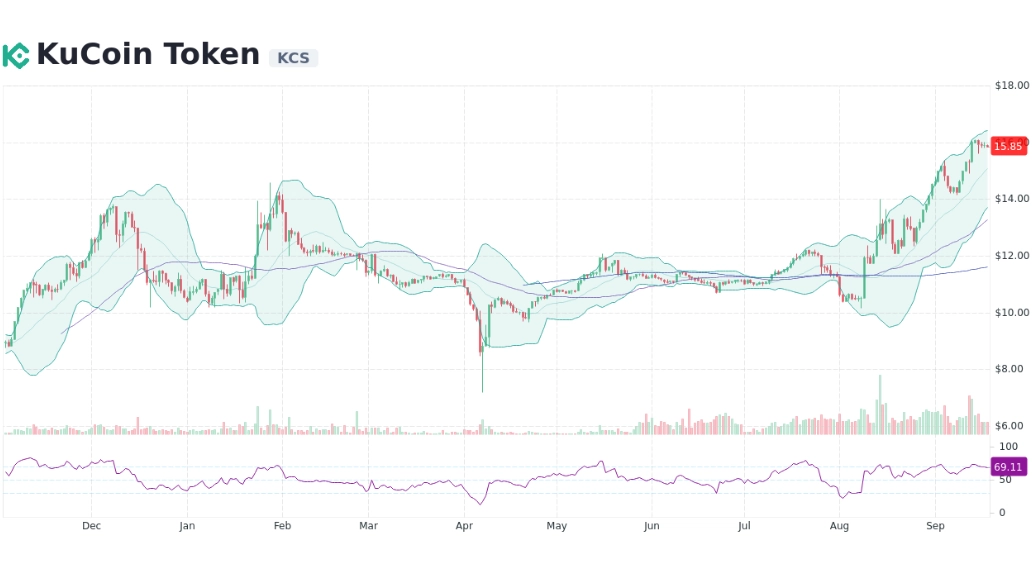
Fundamental Analysis Factors
This is where many drop the ball. Fundamentals for Kucoin tokens include:
- Exchange metrics: Kucoin's daily trading volume, number of users, and revenue. Higher volume often boosts KCS price due to dividend expectations.
- Token utility: How is KCS used? Staking yields, fee discounts, and burn mechanisms matter. Kucoin burns KCS quarterly based on profits, reducing supply.
- Market sentiment: News from sources like CoinDesk or CryptoSlate about Kucoin partnerships or regulatory changes. Last year, when Kucoin expanded to new regions, KCS saw a 20% surge.
I combine this with on-chain data from sites like Glassnode. For instance, check KCS holder distribution—if large wallets are accumulating, it might indicate upcoming price moves.
On-Chain Data Insights
On-chain data refers to blockchain metrics like transaction counts or wallet activity. For KCS, monitor:
- Active addresses: More addresses trading KCS suggest growing interest.
- Supply on exchanges: If KCS held on Kucoin decreases, it could mean holders are moving to cold storage, reducing sell pressure.
This data is often free on explorers like Etherscan for ERC-20 tokens, but for KCS, use Kucoin's own APIs or community dashboards. I once ignored a spike in exchange withdrawals and missed a rally—lesson learned.
Case Study: KCS Price Prediction for the Next 3 Months
Let's apply this to a real scenario. Suppose today is October 2023, and we're predicting KCS price for the next quarter. This is hypothetical, but based on past patterns.
Current context: KCS is trading at $9.50, with Kucoin announcing a new DeFi integration soon. Market sentiment is neutral after a recent dip.
Step 1: Technical outlook. The chart shows KCS bouncing off support at $9.00. If it breaks above $10.50 resistance, next target is $12.00. RSI is at 55, not extreme. I'd set a watchlist for these levels.
Step 2: Fundamental check. Kucoin's Q3 report indicated a 10% increase in trading volume. Upcoming token burn in December could reduce supply by 1%. These are positive signals.
Step 3: On-chain signals. Data shows a 15% drop in KCS on exchanges over the past month, suggesting accumulation.
Prediction: If market conditions hold, KCS might reach $11.00-$12.00 in three months. But if Bitcoin crashes, all bets are off—KCS could drop to $8.00. Always have a downside plan.
This isn't financial advice. It's a framework. I've used similar steps for other tokens like LINK on Kucoin, adjusting for their specific factors.
Essential Tools and Resources for Forecasts
You don't need expensive software. Here are tools I use daily, most with free tiers.
- TradingView: For charting. Set alerts for KCS price levels. Pro tip: Use community scripts for custom indicators.
- CoinGecko: Tracks KCS metrics like market cap and volume. Their API is handy for automation.
- Glassnode: For on-chain data. It's paid, but their free reports on Bitcoin trends can hint at altcoin movements.
- Kucoin Blog: Official updates. Subscribe to their announcements—they often pre-release info that affects prices.
- Crypto Twitter and Reddit: Sentiment gauges. Follow Kucoin-related hashtags, but filter out hype. I've found genuine insights in r/kucoin subreddit discussions.
Some tools overpromise. I tried a prediction bot once; it failed miserably during high volatility. Stick to reliable sources.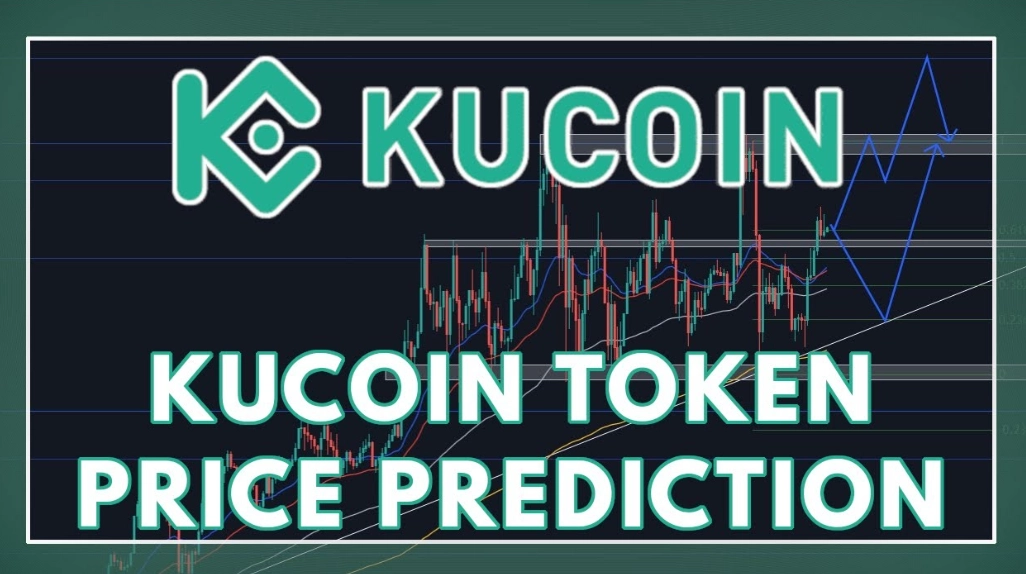
Common Mistakes I've Made (And How to Avoid Them)
Everyone makes errors, but learning from them saves money. Here are my top blunders.
Ignoring exchange-specific news. Early on, I predicted KCS would rise with Bitcoin, but Kucoin had a security breach that caused a 30% drop. Now, I monitor Kucoin's status page and social media for incidents.
Overfitting technical indicators. I used too many indicators on KCS charts, leading to analysis paralysis. Simplify: focus on 2-3 key indicators and volume.
Neglecting liquidity. For low-volume tokens on Kucoin, price predictions are shaky. I lost funds on a token that looked good technically but had no buyers. Always check trading volume—aim for tokens with at least $1 million daily volume on Kucoin.
Chasing hype. When a new token lists on Kucoin, FOMO can drive prices up temporarily. I bought at the peak and saw a 50% drop in days. Wait for the initial volatility to settle before predicting.
These mistakes taught me to blend methods and stay skeptical. Prediction is about probability, not certainty.
Frequently Asked Questions
 Can I use AI tools for Kucoin token price prediction, and are they reliable?
 Price prediction on Kucoin is a mix of art and science. Start with the basics, avoid my mistakes, and keep adapting. Markets change, but a disciplined approach lasts. For more, dive into Kucoin's community forums or follow analysts who focus on exchange tokens. Happy trading!
Reader Comments