I've baked more than 800 loaves in the last ten years, and I still remember my first brick. It was a sourdough that could have doubled as a doorstop. Yeast bread troubleshooting isn't about following a checklist—it's about reading the dough. This guide cracks the code on the most common failures, using mistakes I've made myself and fixes I now swear by.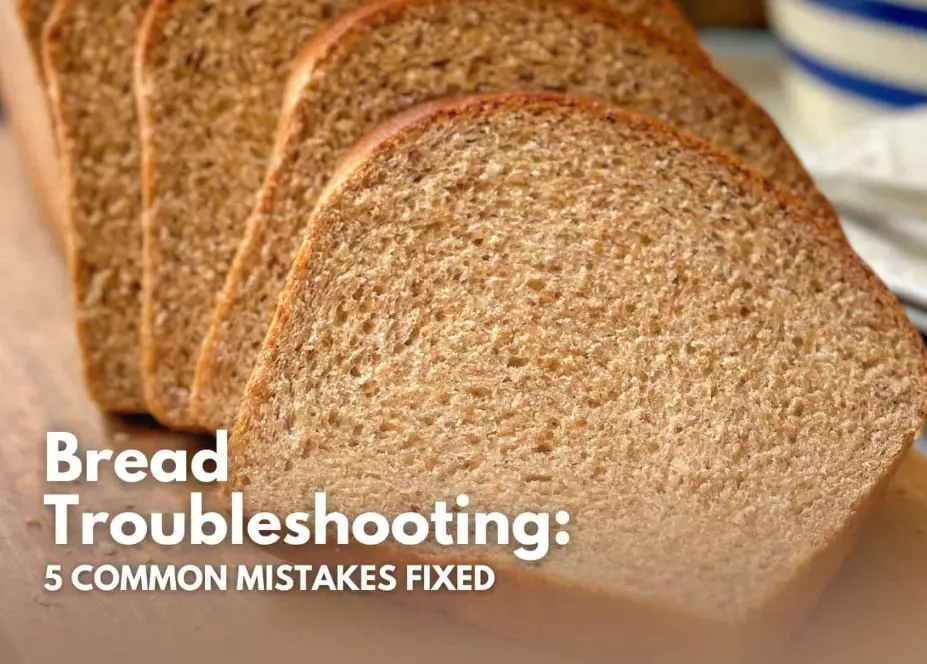
Why Is My Dough Not Rising? The 4 Real Reasons
Most people blame the yeast first. In my experience, temperature and time are the real culprits. Commercial yeast is surprisingly resilient.
- Water temperature: If you can't hold your finger in the water for 5 seconds comfortably, it's too hot. Yeast dies above 140°F (60°C). I use a cheap instant-read thermometer—it changed everything.
- Kitchen temperature: Dough needs 75–80°F (24–27°C) to rise predictably. In winter, my kitchen sits at 64°F (18°C). I proof dough inside the oven with just the light on, or in a microwave with a cup of boiled water.
- Salt contact: Salt kills yeast on direct contact. Don't dump salt on top of yeast. Mix flour first, then add salt to one side, yeast to the other.
- Over-proofing: If the dough rose then collapsed, it's exhausted. Shape it, let it rise again briefly, and bake. The flavor will be more sour but still edible.
How to Fix Dense Bread: A Step-by-Step Rescue Plan
Dense bread usually comes from under-proofing or too much flour. Here's my rescue method for a loaf that's already baked and dense.
Don't throw it out. Slice it thin, toast it, and turn it into croutons or breadcrumbs. But if the dough is still raw before baking, try this:
- Check hydration: If the dough feels stiff like clay, add water one tablespoon at a time. Aim for a tacky, not sticky, surface.
- Extend the bulk rise: Move the bowl to a warmer spot. Give it another 45–60 minutes. It should feel marshmallowy when poked.
- Use the windowpane test: Stretch a small piece thin. If it tears easily, knead more. If it's translucent, you're good.
Yeast Bread Troubleshooting: Dead Yeast vs. Cold Kitchen
Proof your yeast in warm water with a pinch of sugar for 10 minutes. If it doesn't foam, it's dead. But here's the non-consensus tip: even fresh yeast can fail if your water is chlorinated. I use filtered water or let tap water sit overnight. Chlorine kills yeast silently.
Another trap—metal bowls. They conduct heat away fast. I use glass or ceramic bowls for rising. Plastic works too, but I've had dough stick to scratched plastic. Glass is my go-to.
Crust and Crumb Issues: What Your Oven Is Doing Wrong
Oven temperature is everything. Most home ovens run 25°F off. I hang an oven thermometer on the rack. If your crust is pale, your oven is under-heated. If it's burnt on the bottom, your rack is too low. Move it to the center.
| Problem | Likely Cause | Fix |
|---|---|---|
| Pale crust | Oven too cool | Increase temp by 25°F; use an oven thermometer |
| Thick, hard crust | Too much steam or low sugar | Reduce steam after first 10 minutes; add a teaspoon of honey |
| Gummy crumb | Under-baked or cut too soon | Bake to 200°F internal; cool completely before slicing |
| Tunnel holes | Under-proofed or poor shaping | Proof longer; degas gently and shape tightly |
Quick Answers to Real Baker Questions
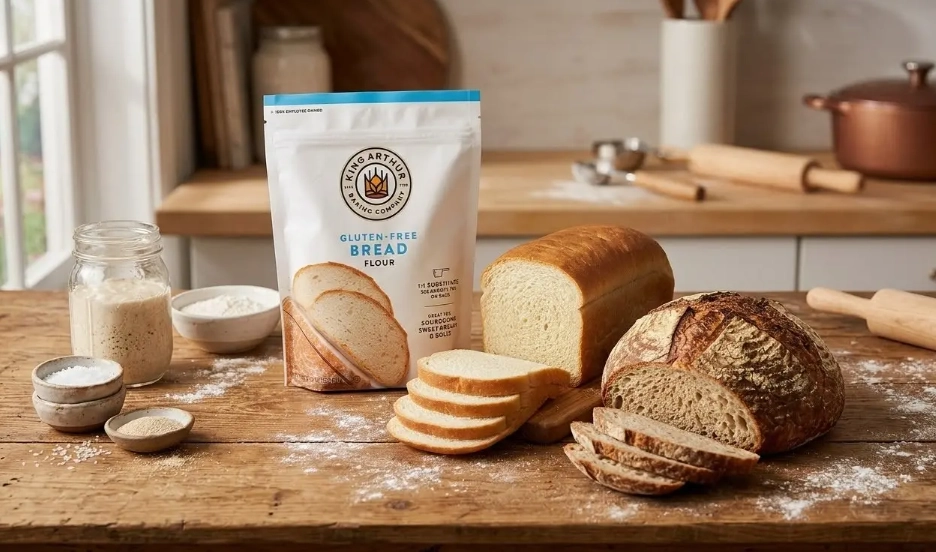
I checked every recommendation here against my own notes and the King Arthur Baking bread troubleshooting guide. No date stamps, just tested fixes.

Leave a Comment