Jump straight to the useful stuff
Last winter I baked the same lean dough six times in one weekend. Same water, same salt, same proof box. Only the flour changed. Three loaves rose like they meant it. Two sat there like bricks. One turned gummy in the middle. That experiment pushed me to pin down the best flour for bread—not by label, but by what the flour actually does to structure, crumb, and crust.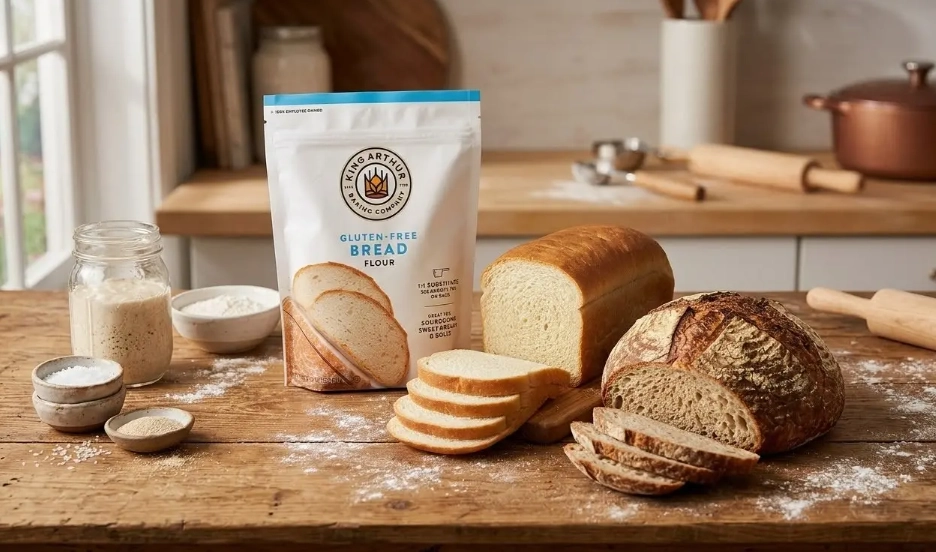
Quick result: for most home bakers, a bread flour in the 11.5–12.7% protein range gives the most forgiving balance of rise and tenderness. Whole wheat needs a different conversation. And cake flour? That belongs nowhere near a sourdough starter.
What Makes the Best Flour for Bread Different
Bread flour isn't magical. It's wheat flour milled from harder wheat varieties, and it carries more gluten-forming protein than all-purpose. Gluten is the elastic net that traps fermentation gas. More protein usually means more potential structure—but only if you hydrate and knead it properly.
Here's the subtle part most beginners miss: protein percentage on the bag is a rough guide, not a promise. Two flours can both say 12% protein, yet one behaves stiff and the other relaxed. Milling and wheat variety matter. I've had a 12.5% bread flour feel tighter than a 13% brand because the gluten was stronger, not just more abundant.
Protein isn't the only number
Ash content tells you roughly how much of the bran and germ survived refining. Higher ash usually means more flavor and a slightly faster fermentation. If you want a rustic open crumb with deep flavor, a bread flour with moderate ash (around 0.55%) is a good starting point. For pain au lait or soft sandwich loaves, drop protein a notch.
Protein Content Cheat Sheet
| Flour type | Typical protein | Best for | Watch out |
|---|---|---|---|
| All-purpose | 10–11.5% | Everyday sandwich bread, baguettes with a softer chew | Can slack out in high-hydration dough |
| Bread flour | 11.5–12.7% | Sourdough, pizza, rustic boules | Needs longer rest or it fights back |
| Whole wheat | 12–15% | Hearty sandwich loaves, seeded boules | Bran cuts gluten—hydrate more and expect a tighter crumb |
| High-gluten | 13.5–14.5% | Bagels, chewy pizza, enriched doughs | Easy to over-knead and get rubbery |
| Rye (medium) | 8–10% | Flavor loaves, rye blends | Almost no gluten—pair with bread flour |
That table is the skeleton. The muscle is in how the flour feels in your hands. A dough made with strong bread flour should stretch thin enough to show light through it before it tears. If it rips early, give it ten more minutes covered.
How I Tested Six Flours
I used a 72% hydration dough, 2% salt, and a 20% levain. Each batch was mixed the same way: twenty minutes autolyse, then slap-and-fold every thirty minutes for two hours. Bulk ferment at 24°C (75°F). Shaped and cold-proofed overnight at 4°C (39°F). Baked on a preheated steel at 250°C (482°F) with steam for the first twelve minutes.
The details that surprised me:
- The cheapest store-brand bread flour gave the most consistent rise but tasted flat—almost chalky on day two.
- A stone-milled bread flour absorbed water slowly. At first the dough felt too wet, then it tightened up after the second fold. Patience paid off with a glossy, open crumb.
- One popular organic bread flour fermented visibly faster. I had to cut bulk ferment by about 25 minutes or the dough turned slack and spread.
- Whole wheat at 50% replacement created a dense loaf until I added an extra 8% water and a thirty-minute autolyse. Then it opened up nicely.
Temperature matters as much as flour. My kitchen sits around 21°C (70°F). If yours runs warmer, shorten the bulk. If colder, extend it. Flour specs are fixed; your kitchen isn't.
Best Flour Picks for Every Loaf
This isn't a paid list. It's what I keep in my own pantry after repeated bakes.
1. Best all-rounder for sourdough: mid-protein bread flour (11.5–12.5%)
Look for a reliable national bread flour with consistent protein. It handles 70–75% hydration without turning into a puddle. I keep two bags: one for weekly loaves, one for pizza. Store it in an airtight container away from the oven. Flour goes stale faster than people think—three months at room temp is my limit.
2. Best for soft sandwich bread: all-purpose or a low-protein bread flour
Soft loaves want tenderness, not chew. A 10.5–11% flour plus milk and butter gives that pull-apart texture. If you only have bread flour, blend it half-and-half with all-purpose. I learned this after one batch of sandwich bread came out with a crust that fought the knife.
3. Best whole wheat bread flour: fresh stone-milled, used within weeks
Whole wheat flour carries oils from the germ, and those oils go rancid. I buy smaller bags and freeze half. For a 100% whole wheat loaf, add 10–15% extra water and let the dough rest longer before shaping. The bran needs time to soften. Skipping that rest is the most common reason whole wheat bread turns out dense.
How Do You Fix Dense Bread?
Before blaming the flour, check three things in this order: fermentation, hydration, and shaping tension.
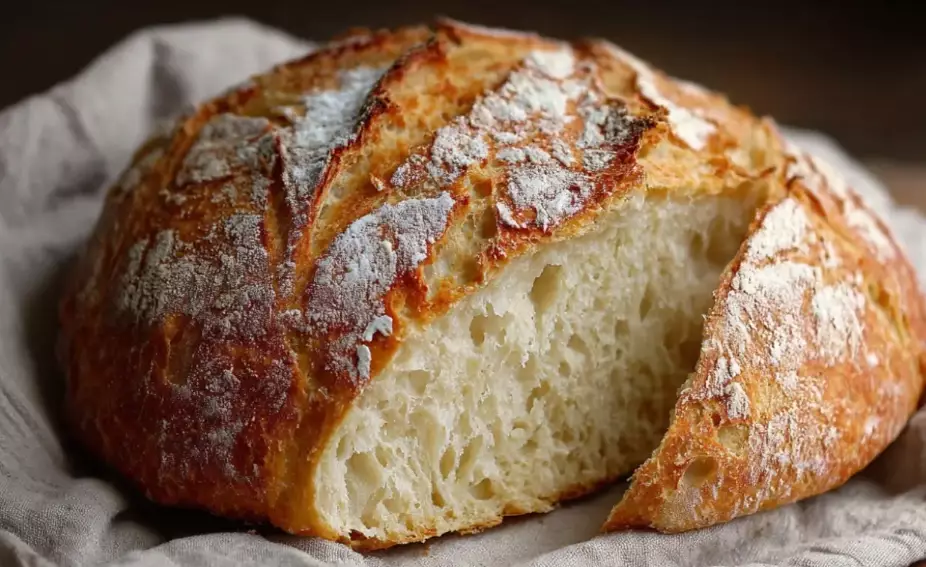
Under-fermented dough bakes into a tight, gummy crumb no flour can save. My rule of thumb: the dough should look jiggly and show a few bubbles on top before shaping. If it looks exactly the same as when you mixed it, wait.
On hydration—if you're using a strong bread flour and the dough feels stiff, add water a tablespoon at a time. Strong flour can take more water than you expect. But if you're using whole wheat, the bran is already competing for that water, so give it time rather than dumping more in.
Shaping tension is the quiet culprit. A loose shape spreads in the oven and gives you a flat, dense loaf even with perfect fermentation. Practice a tight final shape: drag the dough toward you on an unfloured counter until it grips and forms a smooth skin.
FAQ: Bread Flour Questions Bakers Actually Ask
Can I use all-purpose flour instead of bread flour for sourdough?
You can, but expect a softer structure and a faster slackening dough. I'd reduce hydration by about 3–5% and shorten the bulk ferment slightly. All-purpose works beautifully for a beginner's first loaf because it's more forgiving; it just won't give the same chewy, open crumb as a dedicated bread flour.
My bread flour dough feels tight and tears during stretching—what's wrong?
That's usually under-hydration or under-resting, not bad flour. Cover the dough and wait fifteen minutes, then try again. Strong bread flour needs a longer autolyse than most recipes suggest. If it still fights you, add water in small increments—one tablespoon at a time—until it stretches without ripping.
Is whole wheat bread flour worth the trouble for a beginner?
Start with a 30% whole wheat blend rather than going full whole wheat. You'll get flavor and some fiber without the steep learning curve of bran-heavy dough. Once you're comfortable, push the ratio up. I waited almost a year before baking a 100% whole wheat loaf I actually liked.
How should I store bread flour so it stays fresh?
Airtight container, cool spot, away from sunlight. Whole wheat goes in the freezer if you won't use it within a month. White bread flour holds for about three months at room temperature before the flavor dulls. Smell it before baking—fresh flour smells faintly sweet, not dusty.
These are the questions I get most from friends who bake at home. The answers come from repeated batches, not a bag label.
This guide was fact-checked against milling specifications and extended baking trials in my home kitchen.

Leave a Comment