Quick Guide
Let's be real for a second. You've probably seen the name Pengu Coin popping up on your Twitter feed, maybe in some Discord chats, or even mentioned by that one friend who's always "about to make it big" in crypto. The hype feels familiar, doesn't it? Another cute animal, another coin promising the moon. I was skeptical too. I've been around long enough to see Doge, Shiba, and a thousand frog-themed tokens come and go. So when I first heard about Pengu Coin, my immediate thought was, "Here we go again."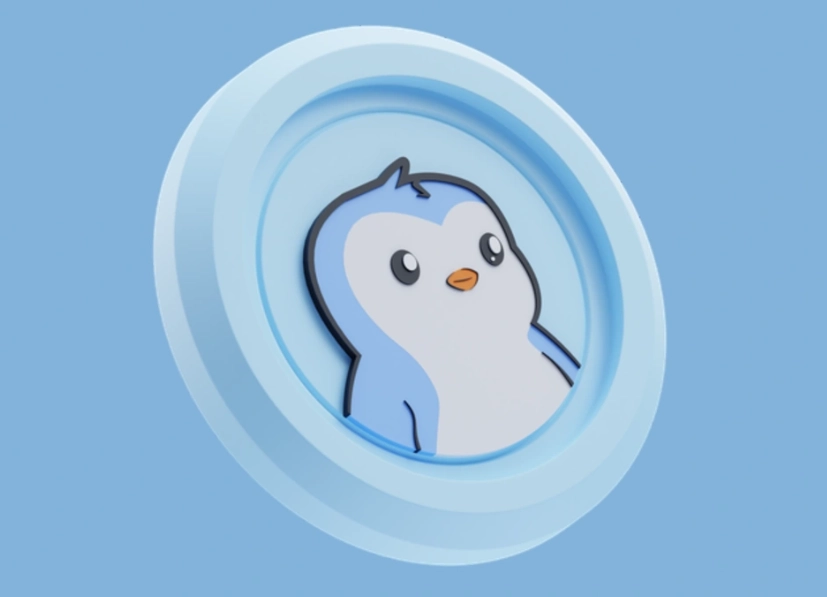
But something felt a bit different. Maybe it was the timing, launching on the Solana blockchain when gas fees on Ethereum were making small trades pointless. Maybe it was the community, which seemed oddly dedicated from the get-go. Or maybe I was just bored. So I decided to dig in. I spent way too many hours reading whitepapers (or the lack thereof), tracking wallet movements on Solscan, and lurking in Telegram groups where the emoji-to-word ratio is dangerously high. This isn't financial advice—far from it. Think of this as one person's attempt to make sense of the Pengu Coin phenomenon, warts and all.
So, What Exactly Is Pengu Coin?
At its core, Pengu Coin (often tickered as $PENGU) is a meme-based cryptocurrency token built on the Solana blockchain. It's part of the latest wave of tokens that leverage internet culture, community vibes, and low transaction costs to gain traction. Unlike major coins like Bitcoin or Ethereum, which have complex technological frameworks and use cases, the primary "use case" for Pengu Coin is, well, being a meme. Its value is almost entirely driven by community sentiment, social media buzz, and speculative trading.
The mascot is, unsurprisingly, a penguin. Not just any penguin, but a stylized, cartoonish one that's equal parts adorable and marketable. The narrative often spun around it is one of a "chill," "community-driven" project with a friendly face. They talk a lot about "the colony"—that's what they call the holder community. It's all very cozy.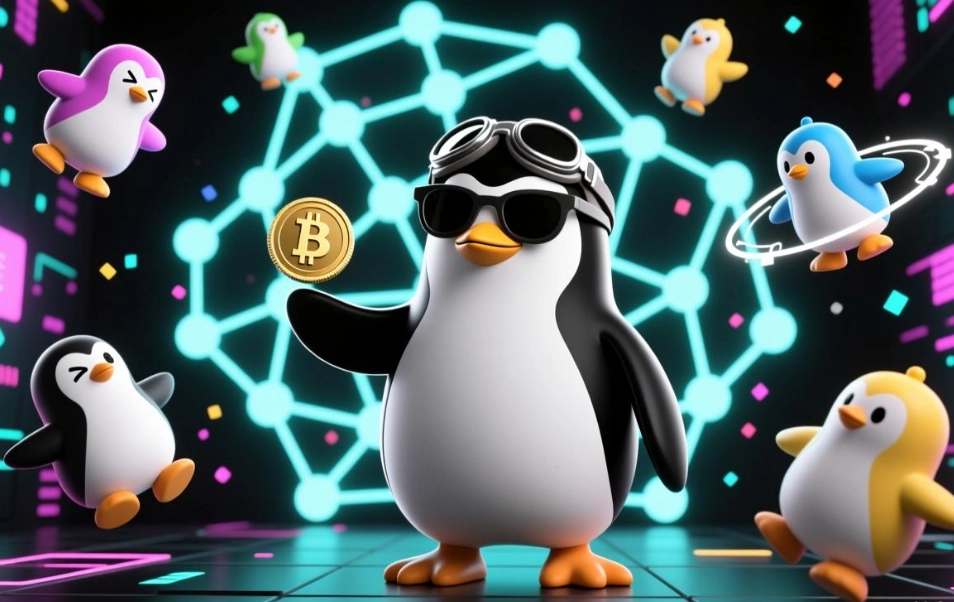
Key Thing to Remember: Calling it a "meme coin" isn't an insult; it's a classification. It means its value proposition is cultural and social, not (primarily) technological. This makes it incredibly volatile and risky, but also capable of viral growth.
The Origins and The Hype Cycle
Pinpointing the exact origin of a meme coin is like trying to find the source of a rumor. It seems Pengu Coin emerged in late 2023 or early 2024, riding the massive wave of Solana-based meme coin launches. The Solana ecosystem, with its blazing-fast and cheap transactions, became the perfect breeding ground for these experiments. Developers could deploy a token for a few dollars, and users could trade it without worrying about $50 gas fees.
The launch typically follows a pattern: an anonymous or pseudonymous team, a Twitter/X account that posts memes, a website with a simple roadmap, and a liquidity pool (LP) locked for a period to show "commitment." Pengu Coin checked all these boxes. The initial distribution often happens through a fair launch on a decentralized exchange (DEX) like Raydium or Jupiter, where early buyers pile in hoping for a quick pump.
I remember watching the chart in the first 48 hours. Wild swings. The kind of volatility that gives traditional investors a heart attack. That's the hype cycle in action—a frenzy of FOMO (Fear Of Missing Out) followed by a brutal dip as early profit-takers cash out. Whether Pengu Coin survives that initial purge is one of the first big tests.
Tokenomics: The Nuts and Bolts (Or Lack Thereof)
"Tokenomics" is a fancy word for how the coin is structured. For many meme coins, it's deliberately simple. Here’s a breakdown of what you typically find, and what I looked for with Pengu Coin:
| Feature | Typical Meme Coin Setup | What to Look For in Pengu Coin |
|---|---|---|
| Total Supply | Often in the billions or trillions to keep unit price low. | Check if it's a reasonable number. A trillion tokens with a tiny market cap still means each token is worth a fraction of a cent. |
| Taxes on Transactions | Some have buy/sell taxes to fund marketing or development. | A high tax (e.g., 10%+) is a major red flag. It kills trading and is often a hallmark of scams. |
| Liquidity Pool (LP) Lock | Funds provided for trading are "locked" so devs can't steal them. | Essential. Check platforms like RugCheck or DexScreener to see if the LP is locked and for how long. |
| Team Allocation | A portion reserved for developers. | Transparency is key. A massive, unlocked team wallet is a huge danger sign for a dump. |
When I went looking, the details for Pengu Coin were... sparse. The website had the basics, but you really have to do your own blockchain sleuthing. I used DexScreener to find the main trading pair (usually $PENGU/SOL) and then checked the token contract. The good news? No obvious transaction taxes. The concerning part? The initial liquidity lock period wasn't as long as I'd like to see for real confidence. It's these little details that separate the projects that might have legs from the pure pump-and-dumps.
My Personal Red Flag: If the community attacks anyone who asks critical questions about tokenomics, calling them "FUDders," that's a bad sign. Healthy projects can handle scrutiny. I saw a mix of this in the Pengu Coin chats—some helpful folks, some overly defensive ones.
How to Buy Pengu Coin (And Not Get Rekt)
Alright, let's say you've read this far, you understand the risks, and you still want to dip a toe in. Maybe it's with $20 you're okay losing, maybe it's more. Here's the practical, step-by-step guide I wish I had when I started with these kinds of tokens. Buying Pengu Coin isn't like buying Bitcoin on Coinbase. It's a multi-step process on the decentralized web.
The Prerequisites: Your Crypto Toolkit
You can't buy Solana-based tokens without a few things first. Don't skip this part.
- A Self-Custody Wallet: This is non-negotiable. You need a wallet where you control the private keys. I primarily use Phantom (it's the most popular for Solana) or Solflare. Download the official browser extension or mobile app. Never share your seed phrase with anyone, ever. This is how you get robbed.
- Some SOL for Gas: You need the native Solana token (SOL) in your wallet to pay for transaction fees. They're tiny (fractions of a cent), but you need some. Buy SOL from a major exchange like Coinbase or Binance and withdraw it to your Phantom wallet address.
- Swapping Power: You'll use a DEX (Decentralized Exchange) to swap your SOL for Pengu Coin. Bookmark Jupiter or Raydium's swap page. These are the go-to places.
The Actual Buying Process
- Fund Your Wallet: Make sure you have SOL in your Phantom wallet. Let's say you want to use $50. Maybe send $55 worth to account for the swap and a tiny buffer.
- Find the Correct Contract Address: This is the single most important step to avoid scams. There will be dozens of fake Pengu Coin tokens. You must get the real contract address from a semi-trusted source. The best method? Go to the project's official Twitter or website (triple-check it's not a phishing site) and find their link. Alternatively, use DexScreener, search for PENGU, and find the one with the most liquidity and volume. Copy that contract address.

- Go to a DEX Aggregator: I prefer Jupiter because it finds the best price across multiple DEXs. Connect your Phantom wallet.
- Paste the Contract Address: In the "To" field, paste the $PENGU contract address you copied. The token symbol should pop up. If it doesn't, or it shows a warning, stop immediately.
- Set Your Swap Parameters: Enter how much SOL you want to swap. Here's a pro-tip: because prices are so volatile, use a slippage tolerance of 1-2%. If the transaction fails, you might need to increase it slightly, but start low. High slippage (like 10%+) means you can get a much worse price.
- Review and Swap: Double-check everything. The token name, the network (Solana), the estimated amount you'll receive. Then confirm the transaction in your wallet. A few seconds later, you should see $PENGU in your Phantom wallet under the "Tokens" tab.
It feels clunky the first time, but after a couple of swaps, it becomes routine. The scary part is the absolute finality of it all. If you mess up, no one can reverse the transaction. That weight is something you have to get comfortable with in DeFi.
The Dark Side: Risks, Scams, and Why Most Meme Coins Fail
Let's not sugarcoat it. The space around tokens like Pengu Coin is the wild west. It's exhilarating, but it's also where people lose their shirts. I've seen it happen. A friend got "rug pulled" last year—devs took the liquidity and vanished. He lost a few thousand dollars. It stung. So, let's talk about the dangers head-on.
The Rug Pull (The Classic Exit Scam)
This is the nightmare. Developers create a token, hype it up, get people to invest, and then suddenly withdraw all the money from the liquidity pool, crashing the price to zero. The token becomes untradeable. Your investment is literally worthless lines of code. Signs of a potential rug pull include:
- Anonymous team with no verifiable track record.
- Liquidity pool not locked, or locked for a very short time (e.g., 1 month).
- Large, unexplained token allocations to developer wallets that aren't vested.
- Aggressive, constant shilling with no substance.
When evaluating Pengu Coin, the LP lock was my first checkpoint. It passed the initial sniff test, but a lock isn't a force field. Determined bad actors can find ways.
The "Slow Rug" or Dilution
This is more insidious. Instead of stealing the liquidity all at once, the team or large holders slowly sell their massive bags over time, constantly putting downward pressure on the price. They fund their exit by draining value from new buyers. You see the price bleed out day after day, and the community makes excuses like "it's just market conditions" or "we're consolidating."
Honeypots and Malicious Code
Some malicious tokens are coded so you can buy them, but you cannot sell them. The contract function to sell is disabled. Your money is trapped. Tools like RugCheck can help scan a contract for these kinds of traps before you buy.
Beyond scams, there's the fundamental risk: most meme coins go to zero. The hype dies, community members get bored, developers move on, and liquidity dries up. The chart doesn't go sideways; it trends down to a price so low it might as well be zero. The success stories like Dogecoin or Shiba Inu are the extreme, lottery-ticket exceptions, not the rule. When you buy Pengu Coin, you are betting that it will be one of those exceptions against all odds.
Pengu Coin's Potential and Future: Is There a Path Forward?
Okay, enough doom and gloom. Let's talk about what could, in a best-case scenario, give Pengu Coin a fighting chance. Because some meme coins do evolve.
The Solana Ecosystem Advantage
Being on Solana is arguably Pengu Coin's biggest technical advantage. The network is built for speed and low cost. This allows for things that are clunky on Ethereum:
- Micro-transactions & Tipping: Imagine tipping someone $0.10 worth of $PENGU on social media without $30 in fees.
- Integration with Solana dApps: If the community or developers build utility, like using $PENGU as a governance token for a penguin-themed NFT game or a community DAO, the low fees make it feasible.
- Lower Barrier to Entry: New users aren't scared off by high costs to try a small trade.
The Solana Foundation itself has been supportive of its ecosystem's growth, as noted in their ecosystem reports. While they don't endorse specific meme coins, a healthy meme coin scene brings attention and users to the chain.
The Power of Community (If It's Real)
This is the true engine. A meme coin is a social experiment. Does the "colony" around Pengu Coin have staying power? Are they creating art, memes, and engaging content organically? Or is it just people spamming "TO THE MOON" and posting rocket emojis? I've joined the Discord and Telegram. The vibe is... mixed. There's genuine creativity in some channels—people drawing penguin art, making videos. In others, it's just price talk and desperation.
The community needs to build something beyond the chart. Maybe they fund a charity drive for penguin conservation (a classic and effective meme coin move). Maybe they create a fun NFT collection for holders. Utility follows community, not the other way around. If the community stays engaged after the initial pump fades, that's a huge green flag.
My Litmus Test: I mute a project's social channels for a week. When I come back, is the conversation still vibrant and creative, or is it just a ghost town of bag-holders complaining about the price? The latter means the project is likely dying.
Catalysts and Hype Events
Meme coins live and die by catalysts. For Pengu Coin, this could be:
- Getting listed on a centralized exchange (CEX) like Coinbase or Kraken. (Extremely unlikely for a new coin, but even a smaller CEX listing can pump price).
- A major influencer or crypto personality tweeting about it (a double-edged sword—often leads to a pump and immediate dump).
- The team delivering on a promised piece of utility, like a simple staking mechanism or a game.
Chasing these catalysts is risky. You're often buying the rumor and watching others sell the news.
Pengu Coin vs. The Meme Coin Landscape
It's not operating in a vacuum. To understand its position, you have to look at the competition. Here’s a quick, opinionated comparison based on what I've observed.
| Coin / Project | Blockchain | Key Strength | Key Weakness / Risk | Community Vibe (My Take) |
|---|---|---|---|---|
| Pengu Coin ($PENGU) | Solana | Low fees, cute/brandable mascot, early stage potential. | Extreme newness, unproven team, high risk of fading into obscurity. | Enthusiastic but unpolished. Could go either way. |
| Dogwifhat ($WIF) | Solana | Massive cultural momentum, strong community, major exchange listings. | Already had massive run, price is high, pure meme status. | Powerful and organized. The "establishment" meme coin on Solana. |
| Bonk ($BONK) | Solana | The original Solana meme coin, wide distribution, some ecosystem integration. | Diluted supply, constant sell pressure from airdrop recipients. | Institutionalized. Part of the Solana furniture now. |
| Dogecoin ($DOGE) | Its own chain (forked from Litecoin) | First-mover advantage, Elon Musk tweets, incredible name recognition. | Slow network, inflationary supply, completely reliant on celebrity whim. | Diverse and massive. Ranges from serious investors to pure memers. |
As you can see, Pengu Coin is a small fish in a pond that already has its big, established fish (WIF, BONK). Its path to relevance means either carving out a unique niche or hoping the established ones falter. It's an uphill battle, for sure.
Frequently Asked Questions (The Real Ones People Ask)
Based on my time in the communities and research, here are the questions that keep coming up, answered bluntly.

Final, Personal Thought: I've put a small amount into Pengu Coin myself, mostly as a way to have skin in the game for this research. It's fun to be part of the chatter, to root for the underdog penguin. But that money is already written off in my mind. The moment it becomes stressful or I find myself checking the chart every 10 minutes, I know I've put in too much. The biggest lesson in this space isn't about picking winners; it's about managing your own psychology and protecting your capital. The penguin might fly, but it's more likely to waddle. And that's okay, as long as you're not betting your life savings on the flight.
The world of Pengu Coin is a fascinating microcosm of modern crypto: equal parts community, speculation, technology, and sheer chaos. It represents the democratization of token creation and the powerful, often irrational, force of online tribes. Whether this particular penguin finds its iceberg or drifts off into the digital abyss remains to be seen. But the story of how it tries is, in itself, a pretty good snapshot of where a piece of the internet's money is right now.
Reader Comments