In This Guide
- What Is a Memecoin, Really?
- The Memecoin Engine: How They Actually Work
- Why Would Anyone Buy a Memecoin? (The Real Reasons)
- The Dark Side: Risks That Keep Me Up at Night
- A (Slightly) Safer Approach: How to Buy Memecoin If You Must
- Answering Your Burning Questions
- The Final Word: Keeping Your Sanity in the Meme Economy
Let's be honest, the first time you heard about a memecoin, it probably sounded like a joke. I know it did for me. Dogecoin, the Shiba Inu dog from a meme, becoming a multi-billion dollar asset? It defied every logical rule of finance I had ever learned. But here we are. Memecoins have exploded from an internet joke into a serious, albeit chaotic, force in the cryptocurrency world. They've created millionaires overnight and vaporized savings just as fast.
This isn't your typical dry investment guide. If you're looking for a lecture on traditional valuation models, you won't find it here. Instead, I want to walk you through what memecoins actually are, how they work in the real world, and—most importantly—how to think about them without getting burned. Because let's face it, the hype is impossible to ignore, but the risks are even harder to overstate.
The Core Idea: At its simplest, a memecoin is a cryptocurrency that derives its value primarily from internet culture, community hype, and viral trends, rather than from a fundamental technological innovation or specific utility. Its brand is the meme itself.
What Is a Memecoin, Really?
You can't understand memecoins without starting with the original. Dogecoin was created in 2013 by Billy Markus and Jackson Palmer as a literal joke. It was a fork of Litecoin, featuring the popular "Doge" meme. There was no grand roadmap, no promise to revolutionize payments. It was fun, it was lighthearted, and its community tipped each other small amounts online as a way to say thanks or share a laugh.
That community spirit is the secret sauce. A memecoin's strength isn't its code (many are simple copies of others); it's the shared belief and viral energy of its holders. This creates a powerful, self-reinforcing loop: the meme spreads, more people buy in, the price rises, which becomes part of the meme itself, attracting even more people. It's pure, unadulterated viral marketing applied to a financial asset.
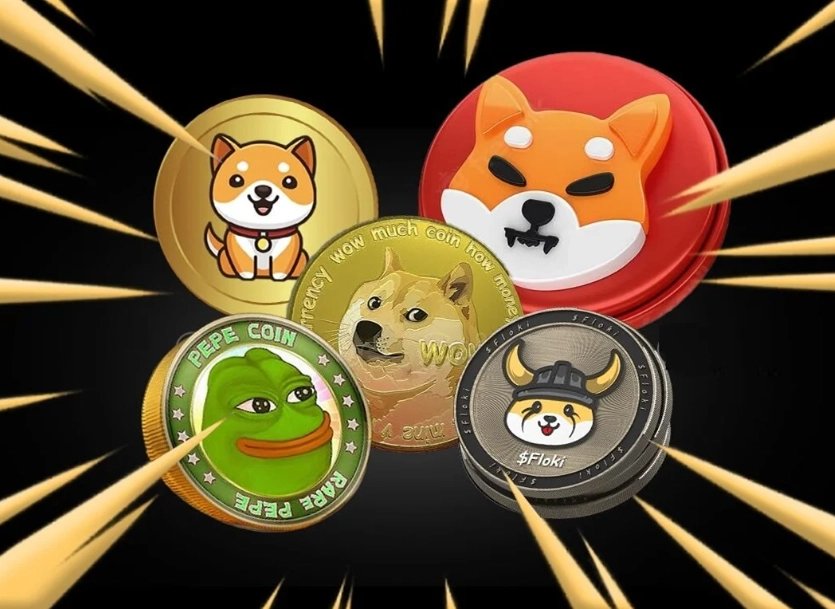
But here's the critical distinction that trips people up. Not every cryptocurrency with a funny name or animal mascot is a pure memecoin. For example, while it started with meme-like origins, a project like Shiba Inu (SHIB) has since tried to build an entire ecosystem—decentralized exchanges, NFT projects, layer-2 blockchains. It's trying to evolve beyond the memecoin label. A pure memecoin, like the countless dog or cat-themed coins that pop up daily, often has no purpose other than being traded. That's it. No utility, no roadmap, just the meme.
The Memecoin Engine: How They Actually Work
Technically, most memecoins are fairly simple. They are typically tokens built on existing blockchains, most commonly Ethereum, Solana, or Binance Smart Chain. This means developers don't need to build a whole new blockchain from scratch; they can use standard templates (like the ERC-20 standard on Ethereum) to create their token in an afternoon. You can verify the technical standards for tokens on the official Ethereum developer documentation.
The ease of creation is a double-edged sword. It allows for rapid innovation and community fun, but it also opens the floodgates for scams and "pump-and-dump" schemes. I've seen countless friends get excited about a new coin, only to watch it disappear a week later when the anonymous creators pulled all the liquidity out.
The Key Players: From OG to Newcomers
Let's look at the landscape. It's not just one or two coins anymore.
| Memecoin | Blockchain | Launch Year | The "Vibe" & Key Differentiator | My Personal Take |
|---|---|---|---|---|
| Dogecoin (DOGE) | Its own chain (fork of Litecoin) | 2013 | The original. "The people's crypto." Community-driven, low transaction fees. Gained iconic status from Elon Musk's tweets. | The grandfather. Less volatile than newcomers, but its fate feels oddly tied to one billionaire's whims, which is unsettling. |
| Shiba Inu (SHIB) | Ethereum | 2020 | The "Doge Killer." Started as a pure memecoin but aggressively built an ecosystem (ShibaSwap, Shibarium L2) to add utility. | The most ambitious. Trying to graduate from memecoin status. If it succeeds, it rewrites the rulebook. A huge "if." |
| Pepe (PEPE) | Ethereum | 2023 | Pure, no-utility culture coin based on the Pepe the Frog meme. Explicitly embraces its "for the meme" nature with zero taxes. | The purist's memecoin. No pretense of utility. Its rise and fall is a perfect case study in viral hype cycles. Brutally volatile. |
| Bonk (BONK) | Solana | 2022 | Solana's community mascot, launched as an airdrop to revive the Solana ecosystem after the FTX crash. Gained legitimacy through integrations. | A fascinating case. Showed how a memecoin can be used as a marketing tool for an entire blockchain. More strategic than most. |
| Dogwifhat (WIF) | Solana | 2023 | A photo of a dog with a pink knit hat. Its entire premise is the absurdity of the image. Embraces Solana's low-fee, high-speed culture. | The peak of absurdity. Proves that in this market, literally any image can become a token worth hundreds of millions. It's baffling. |
Looking at that table, a pattern emerges. The newer memecoins on chains like Solana are faster, cheaper to trade, and often even more conceptually minimalist. They are the purest expression of the trend.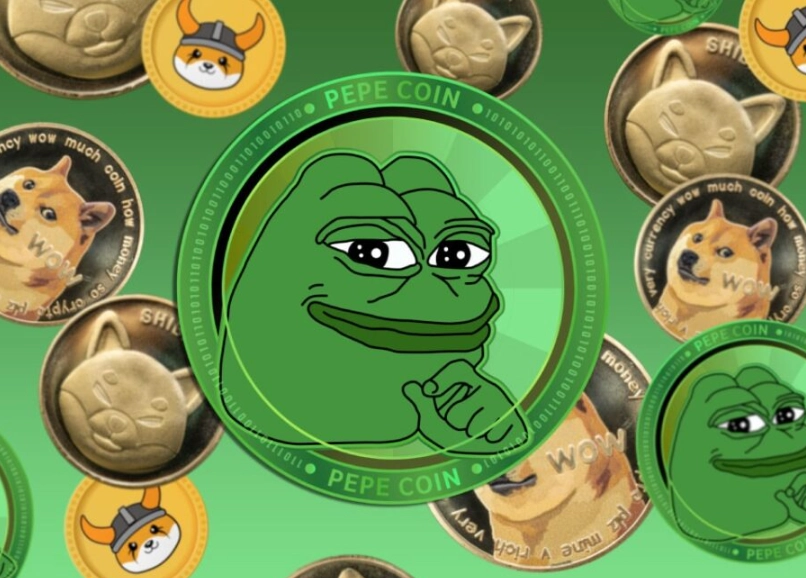
Why Would Anyone Buy a Memecoin? (The Real Reasons)
If you ask this in an online forum, you'll get a mix of jokes and hopium. But based on conversations and my own observations, here's the unfiltered breakdown of why people get involved.
- The Lottery Ticket Mentality: This is the big one. People see stories of someone turning $50 into $50,000. They know the odds are terrible, but the potential payoff is life-changing. It's the same psychology as buying a scratch-off ticket, but with a community chatroom attached.
- Community and Belonging: This is surprisingly powerful. Being part of the "Doge Army" or the "Shiba Squad" gives people a shared identity and purpose. The memes, the inside jokes, the common enemy ("the whales," "the short-sellers") create a strong bond. For some, this social aspect is more valuable than any profit.
- FOMO (Fear Of Missing Out): You see a coin's price going up 100% in a day on your social feed. Your friend is talking about it. You feel a physical anxiety that you're missing the boat. This emotion drives more buying decisions than any white paper ever could.
- The Anti-Establishment Statement: Buying a joke coin that disrupts the serious, suit-and-tie world of finance is a form of protest for some. It's a middle finger to traditional Wall Street gatekeeping.
Let's pause here for a reality check. I bought a small amount of a memecoin in 2021 during the hype. For a week, it went up. I felt like a genius. Then it crashed 95% and never recovered. The community vanished overnight. That money is gone. The thrill of the pump is real, but the silence after the dump is deafening. Never, ever confuse a hot social media trend with a sound investment.
The Dark Side: Risks That Keep Me Up at Night
We have to talk about this. The memecoin space is the Wild West, and you are not the sheriff.
- Extreme Volatility: A memecoin can gain or lose 50% of its value in hours. This isn't for the faint of heart. If you need the money for rent, do not put it here.
- Liquidity Risks & "Rug Pulls": This is the biggest scam. Developers create a coin, hype it up, and get people to add money to a liquidity pool (so others can trade it). Then, they suddenly withdraw all that liquidity, the price goes to zero instantly, and they disappear with the funds. Sites like CoinGecko track liquidity, but by the time you see a problem, it's often too late.
- No Fundamental Value: What is a picture of a dog in a hat actually worth? There's no answer. The value is 100% based on what the next person is willing to pay. When sentiment shifts, there's no "book value" or earnings to fall back on. It can go to zero.
- Concentration & Manipulation: Often, a huge percentage of a memecoin's supply is held by a tiny number of early creators or buyers ("whales"). They can dictate the price by selling small amounts, causing panic, or coordinating pumps.
- Regulatory Uncertainty: Governments worldwide are scrutinizing crypto. A memecoin, with its clear lack of utility, could be a prime target for regulators to label as a security or even an illegal scheme. The U.S. Securities and Exchange Commission (SEC) has already taken action against some crypto projects, and memecoins could be next.
See what I mean? It's a minefield.
A (Slightly) Safer Approach: How to Buy Memecoin If You Must
Okay, you've read the warnings and you still want to dip a toe in. I get it. The FOMO is real. Here’s a method that minimizes some risks. Think of this as a survival guide.
Step 1: Choose a Reputable Centralized Exchange (CEX). For your first foray, avoid decentralized exchanges (DEXs) where rug pulls are common. Use a major, regulated platform like Coinbase, Binance, or Kraken. They list the more established memecoins like DOGE or SHIB after doing some basic due diligence. It's not a guarantee of safety, but it's a filter. You can compare markets and volumes on aggregators like CoinMarketCap.
Step 2: Do Your OWN Basic Research. Don't just watch TikTok. Check the basics:
- Liquidity: Is there more than a few million dollars in liquidity? Low liquidity means you might not be able to sell when you want.
- Holders: Is the supply spread across thousands of wallets, or is 40% held by one? Use blockchain explorers like Etherscan for Ethereum tokens.
- Social Sentiment: Is the community active on Twitter and Discord, or is it just bots spamming "TO THE MOON"?
Step 3: Use a Secure Wallet. If you buy on an exchange, you can leave it there. But if you buy a newer memecoin on a DEX, immediately transfer it to a self-custody wallet like MetaMask or Phantom. This gives you control. Write down your seed phrase on paper and store it safely. Never share it.
The Golden Rule of Memecoin Investing: Only use money you are 100% prepared to lose entirely. Think of it as entertainment budget, like going to a casino. Once that money is sent, consider it gone. Any return is a happy surprise.
Step 4: Have an Exit Strategy. Before you buy, decide: "If this doubles, I sell half." or "If it drops 20%, I sell everything." Stick to it. Emotion will tell you to hold for more gains or to "average down" on a falling coin. Have a plan and follow it mechanically.
Answering Your Burning Questions
In the traditional sense of the word "investment"—putting money into an asset expecting it to generate returns based on its underlying productivity—no, a pure memecoin is not an investment. It's a speculative bet on crowd psychology. Can you make money? Absolutely. Can you lose it all even faster? You bet. Calling it an "investment" gives it a legitimacy it doesn't deserve. Call it a "speculative trade" and you're being more honest with yourself.
If I knew, I wouldn't be writing this article, I'd be on a yacht. Anyone who claims to know is either lying, guessing, or trying to pump a coin they already own. The "next big thing" is inherently unpredictable because it depends on the random, chaotic nature of what captures the internet's collective imagination next week.
Red flags are everywhere if you look:
- Anonymous team: No names, no faces, no linked LinkedIn profiles.
- Unrealistic promises: "Guanteed 100x!", "No risk!"
- Pressure to buy NOW: "Presale ending in 1 hour!" This is FOMO manufacturing.
- Copycat contracts: A token with the same name as a popular one but a slightly different contract address. Always verify the contract address on the project's official site or a trusted tracker.
- Locked liquidity with short timers: If the developers can pull the liquidity in a few days, run.
This is the million-dollar question. A coin born as a memecoin can try to build utility later (Shiba Inu is the prime example). But it's incredibly hard. The community attracted to a pure meme may not care about a DeFi platform. It's like trying to turn a viral TikTok dance into a sustainable ballet company. The skills and audience are different. Some, like Bonk, have found utility as a community and marketing token for an entire ecosystem. So it's possible, but it's the exception, not the rule.
The Final Word: Keeping Your Sanity in the Meme Economy
Memecoins are a fascinating cultural and economic phenomenon. They've democratized token creation and shown the incredible power of networked communities. They are a case study in modern viral marketing and collective belief. For that, they deserve a place in the history of the internet.
But as a vehicle for building wealth? The odds are severely stacked against you. The house—in this case, the early creators, the whales, the influencers who get paid to promote—almost always wins. The average person jumping in during the hype cycle is more likely to be fuel for the pump than a beneficiary of it.
My advice? It's okay to be curious. It's okay to allocate a tiny, truly disposable amount to learn and feel the market's pulse firsthand. That experience is educational. But never conflate a bull market with genius, and never, ever invest what you can't afford to lose.
The world of memecoins is a rollercoaster built on internet jokes. Enjoy the ride if you choose to get on, but know that the safety harness is flimsy at best. And always be ready for the sudden, stomach-dropping plunge.
Because in the end, the most important memecoin strategy isn't about picking winners. It's about protecting yourself from the countless, inevitable losers.
Reader Comments