What’s Inside This Guide
If you've dipped your toes into DeFi, you've probably heard about liquidity pools. Everyone talks about earning passive income, but most guides stop at the basics. Let's cut through the noise. I've been providing liquidity since 2020, and I've made my share of mistakes—lost some, learned a lot. This isn't just theory; it's what actually works.
Liquidity pools are the engine behind decentralized exchanges like Uniswap. Instead of order books, they use smart contracts to match trades. You deposit tokens, earn fees, and hopefully make a profit. Sounds simple, right? Wait until you hear about impermanent loss.
What is a Liquidity Pool and How Does It Work?
At its core, a liquidity pool is a smart contract that holds two tokens in a pair, like ETH and USDT. When you add funds, you become a liquidity provider (LP). Traders swap tokens from the pool, paying a fee—usually 0.3% on Uniswap—that gets distributed to LPs proportionally.
Think of it as running a mini-bank for crypto trades. You supply the cash, traders borrow it for a fee, and you get a cut. But here's the catch: if the token prices shift, your share might shrink. That's where things get tricky.
The Magic of Automated Market Makers (AMMs)
AMMs are the brains behind pools. They use a constant product formula—x * y = k—to set prices automatically. No humans needed. According to Binance Academy, this model revolutionized DeFi by making trading permissionless. But it also introduces unique risks like slippage.
I remember my first time on Uniswap. I threw in some ETH and DAI, thinking I'd just sit back. A week later, ETH pumped, and I realized my pool share was worth less than if I'd just held the tokens. That's impermanent loss in action.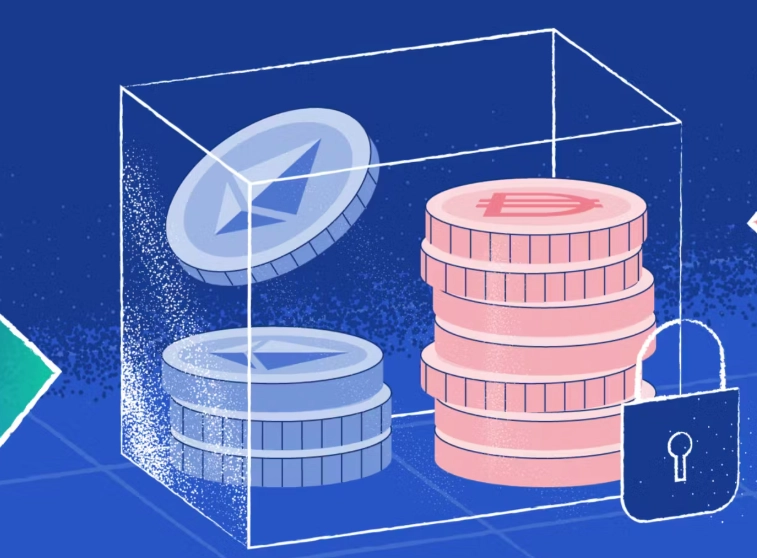
Getting Started: Your First Liquidity Provision
Ready to try? Don't just jump in. Follow these steps to avoid common pitfalls.
Step 1: Choose a platform. Start with established ones like Uniswap (Ethereum) or PancakeSwap (Binance Smart Chain). They have higher liquidity and better security audits. I avoid new platforms unless they're backed by multiple audits.
Step 2: Pick your pair. For beginners, stablecoin pairs like USDC/DAI are safest. They minimize impermanent loss. If you're feeling adventurous, volatile pairs like ETH/BTC offer higher fees but more risk.
Step 3: Deposit funds. You need equal value of both tokens. Connect your wallet, approve the tokens, and confirm the transaction. Gas fees can be high on Ethereum—time it during off-peak hours.
Step 4: Monitor and adjust. This isn't set-and-forget. Check the pool's APY, trading volume, and token prices weekly. I use tools like DeFi Pulse to track metrics.
Here's a quick comparison of popular pools based on my experience:
| Platform | Typical APY | Best For | Risk Level |
|---|---|---|---|
| Uniswap v3 | 5-20% | Experienced users (concentrated liquidity) | Medium-High |
| Curve Finance | 3-10% | Stablecoin pairs | Low |
| PancakeSwap | 10-50% | Beginners (lower fees) | Medium |
Notice how APY varies wildly? That's because it depends on trading activity. A pool with low volume might promise high returns but deliver nothing.
The Dark Side: Risks You Can't Ignore
Everyone talks up the rewards, but let's get real about the risks. I lost 15% to impermanent loss in my first month—here's how you can avoid that.
Impermanent Loss: The Hidden Cost
Impermanent loss happens when the price of your deposited tokens changes compared to when you deposited. If one token moons, you might end up with less value than if you'd just held them. It's "impermanent" because it's only realized when you withdraw, but in practice, it often becomes permanent.
For example, say you deposit 1 ETH ($2000) and 2000 USDT into a pool. If ETH jumps to $3000, the pool rebalances, and you might get back 0.8 ETH and 2400 USDT—worth $4800 total, but if you'd held, it'd be $5000. That $200 difference is impermanent loss.
Stablecoin pairs reduce this, but they also offer lower fees. It's a trade-off.
Smart Contract Risks and Platform Failures
Smart contracts can have bugs. In 2022, a vulnerability in a lesser-known AMM led to a $3 million exploit. Even audited platforms aren't foolproof. I only use protocols with multiple audits from firms like CertiK, and I never put all my eggs in one basket.
Then there's platform risk—what if the exchange shuts down? Decentralization helps, but it's not zero. Diversify across different chains and protocols.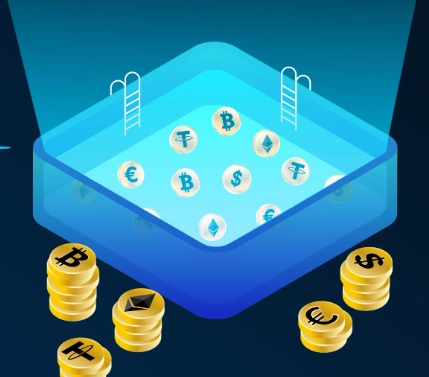
Advanced Tactics for Seasoned Providers
Once you've got the basics down, you can optimize returns. But be warned: this isn't for beginners.
Concentrated liquidity: On Uniswap v3, you can specify price ranges for your liquidity. This boosts fees but requires active management. I use it for pairs I expect to trade in a tight range, like ETH/USDC during low volatility.
Yield farming: Some protocols offer extra tokens as rewards. For instance, providing liquidity on SushiSwap might earn you SUSHI tokens. But these often come with higher risks—token prices can crash. I only farm on platforms I trust, and I sell reward tokens quickly to lock in profits.
Impermanent loss protection: Protocols like Bancor offer insurance against impermanent loss. It's a nice safety net, but it usually comes with lower APY. I've used it for larger positions to sleep better at night.
Here's a personal story: In 2021, I provided liquidity for a new DeFi token pair. The APY was 100%, but the token plummeted 80% in a week. I earned fees but lost more on the token value. Lesson learned: high APY often signals high risk.
FAQ: Straight Answers to Your Questions
Liquidity pools can be a great way to earn in crypto, but they're not a free lunch. Start small, learn the ropes, and don't let the hype fool you. I still provide liquidity today, but I'm way more cautious than when I began. It's about balancing risk and reward—and knowing when to walk away.
Reader Comments