You've heard about Bitcoin's potential. Maybe you own some in a regular brokerage account or on an exchange like Coinbase. But then you start wondering—what about my retirement? Can I combine the growth potential of crypto with the tax benefits of an IRA? The answer is yes, through what's commonly called a crypto IRA or a Bitcoin IRA. But it's not as simple as just clicking "buy." I've helped dozens of people set these up, and the devil is in the details most articles gloss over.
Let's cut through the hype. A crypto IRA is a self-directed IRA (SDIRA) that allows you to hold IRS-approved cryptocurrencies as retirement investments. The tax advantage is the main event: grow your Bitcoin, Ethereum, or other coins tax-free (Roth) or tax-deferred (Traditional). Sounds perfect, right? It can be, but only if you navigate the setup correctly and avoid some costly pitfalls that aren't obvious at first glance.
What You'll Learn in This Guide
- What Exactly Is a Crypto IRA? (It's Not What You Think)
- Why Even Consider a Crypto IRA? The Good, The Bad, The Volatile
- How to Set Up a Crypto IRA: A Step-by-Step Walkthrough
- Choosing a Crypto IRA Provider: The 3 Most Important Factors
- Common Mistakes and How to Sidestep Them
- Your Crypto IRA Questions, Answered
What Exactly Is a Crypto IRA? (It's Not What You Think)
First, a crucial distinction. A "crypto IRA" isn't a new type of account created by the IRS. It's a marketing term for a self-directed IRA that holds cryptocurrency. This is the first point of confusion. Your standard Fidelity or Vanguard IRA won't let you buy Bitcoin. They only allow traditional assets like stocks, bonds, and mutual funds.
For crypto, you need a self-directed IRA custodian. These are specialized financial institutions approved to hold alternative assets. They don't give you investment advice on which coin to buy. Their job is to handle the administration, reporting, and—critically—the custody of your digital assets according to IRS rules.
Here's how the structure works in practice:
- You open a self-directed IRA account with a qualified custodian that offers crypto.
- You fund the account with cash (via transfer, rollover, or contribution).
- You instruct the custodian to purchase specific cryptocurrencies on your behalf.
- The custodian buys the crypto and holds it in secure, insured, offline cold storage.
- All gains within the account grow tax-advantaged until you take qualified distributions in retirement.
The "custodian buys it for you" part is non-negotiable. You can't just transfer your existing Coinbase wallet into an IRA. The custodian must maintain control to ensure compliance. This leads to different fee structures and processes than you're used to.
Why Even Consider a Crypto IRA? The Good, The Bad, The Volatile
Let's be real. Crypto is risky. Its value can swing 20% in a day. Putting that inside a retirement account, which is supposed to be your safe harbor, seems counterintuitive to many. So why do it?
The Powerful Tax Advantage
This is the entire rationale. If you believe crypto has long-term growth potential, sheltering those gains from taxes is a massive benefit.
- Traditional Crypto IRA: You contribute pre-tax dollars (potentially lowering your current tax bill). All growth is tax-deferred. You pay ordinary income tax on withdrawals in retirement.
- Roth Crypto IRA: You contribute after-tax dollars. All growth is tax-free. If your $6,500 contribution grows to $65,000, you pay zero tax on that $58,500 gain when you withdraw in retirement.
Compare that to holding crypto in a taxable account. Every trade (selling one coin for another) can be a taxable event. If you hold long-term, you still pay capital gains tax when you sell. In a Roth IRA, none of that applies.
Portfolio Diversification
For some, it's about adding a non-correlated asset. When stocks and bonds zig, crypto might zag. Allocating a small percentage (think 1-5%) of your overall retirement portfolio to crypto can be a strategic diversification move, not just a speculative gamble.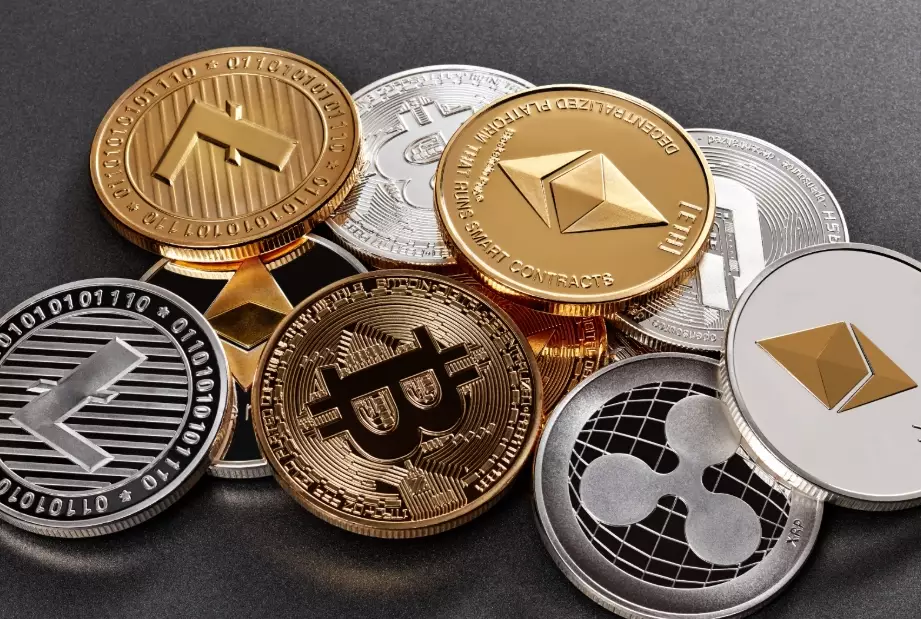
How to Set Up a Crypto IRA: A Step-by-Step Walkthrough
Okay, you're still interested. Here's what the process actually looks like, stripped of the sales pitches.
Step 1: Choose Between Traditional and Roth
This decision hinges on your current vs. expected future tax rate. If you think you'll be in a higher tax bracket in retirement, Roth is generally better—you lock in today's lower rate. For crypto's high-growth potential, the Roth's tax-free withdrawals are incredibly appealing. Most of my clients go the Roth route for their crypto allocation.
Step 2: Select a Specialized Custodian/Provider
This is the most critical step. You're not just picking a platform; you're picking a long-term custodian for a volatile asset. We'll dive deep into this selection in the next section.
Step 3: Open and Fund Your Account
The provider will have an application. You'll need personal info and likely to answer questions about your investing experience. Funding typically happens three ways:
- Direct Contribution: Just like a normal IRA. In 2024, that's up to $7,000 ($8,000 if 50+). Simple, but limits the amount.
- Transfer: Moving funds from an existing IRA (from Fidelity, Charles Schwab, etc.) to your new self-directed crypto IRA. This is usually tax-free and straightforward.
- Rollover: Moving funds from a former employer's 401(k) or similar plan. This is where you can move larger sums. A 60-day indirect rollover is possible but risky; a direct trustee-to-trustee rollover is always safer.
The funding can take a few days to a couple of weeks, depending on the institutions involved.
Step 4: Execute Your Trades
Once the cash lands in your new IRA, you log into the custodian's platform. You'll see a trading interface. You select the cryptocurrency you want, enter the dollar amount, and submit the buy order. The custodian executes it. You now own Bitcoin (or another coin) inside your tax-advantaged retirement account. The asset appears in your dashboard, held in their secure storage.
Choosing a Crypto IRA Provider: The 3 Most Important Factors
This is where you can win or lose before you even make your first investment. Most people compare setup fees and call it a day. Big mistake.
| Factor | What to Look For | Red Flag |
|---|---|---|
| 1. Security & Custody | Institutional-grade cold storage. Multi-signature wallets. Detailed insurance policy (who is the underwriter? What's covered—theft, loss, internal fraud?). Physical security audits. | Vague statements about "secure storage." No clear insurance details. Custody handled by an unknown third party. |
| 2. Fee Transparency | Clear breakdown of ALL costs: setup fee, annual account fee, transaction fees, and most importantly, the spread or markup on crypto purchases. Look for providers who disclose this openly. | Only talking about the "low annual fee" while hiding large spreads. Complex fee schedules that are hard to decipher. |
| 3. Asset Selection & Liquidity | A list of approved cryptocurrencies that matches your strategy (just BTC/ETH or a wider range?). Understanding how quickly you can sell and access cash if needed. | Only offering obscure coins or promising "hundreds" of questionable assets. No clear process for selling and withdrawing funds. |
Let me emphasize the spread. This is the hidden killer. When a provider says "no transaction fee," they often make money by charging you a higher price for the crypto than the true market price. A 5% spread means your $10,000 only buys $9,500 worth of Bitcoin from the second you start. You're down 5% immediately. A reputable provider will have a competitive spread, often 1-2%, and should be willing to explain how it's calculated.
Do your homework. Look for providers like iTrustCapital, Bitcoin IRA, or BitIRA, but don't just take their marketing at face value. Read the fine print. Check for reviews that discuss customer service experiences during market volatility—that's when the real test happens.
Common Mistakes and How to Sidestep Them
After seeing many setups, here are the recurring errors.
Mistake 1: Treating it like a trading account. The high fees and process delays make frequent trading impractical and expensive. A crypto IRA is for long-term holding ("HODLing"). If you want to day trade crypto, use a taxable exchange.
Mistake 2: Not understanding the distribution rules. You can't just send Bitcoin to your personal wallet at age 59½. To take a distribution, you typically must instruct the custodian to sell the crypto for USD, then they send you a check or wire. Some may facilitate an in-kind distribution (sending you the actual crypto), but this is a complex taxable event. Plan for liquidity in retirement accordingly.
Mistake 3: Over-allocating. Because you can move a large 401(k) rollover, the temptation is to go big. Putting 50% of your retirement into crypto is reckless, no matter your belief. Stick to a small, strategic percentage you can afford to see evaporate without derailing your retirement.
Mistake 4: Ignoring the custodian's role in your estate plan. Your beneficiary designations on the IRA account are paramount. Make sure they are updated. The custodian will follow those directives, not your general will when it comes to these assets.
Your Crypto IRA Questions, Answered
So, is a crypto IRA right for you? It's a powerful tool for a specific purpose: making a long-term, tax-advantaged bet on the future of digital assets. It's not cheap, not simple, and certainly not without risk. But for those who have done their homework, believe in the asset class for the long haul, and want to keep more of their potential gains away from the taxman, it's an option worth serious consideration. Start small, choose your custodian like your retirement depends on it (because it does), and always remember this is just one piece of a much larger retirement puzzle.
Reader Comments