You've seen the headlines. The life-changing gains, the catastrophic crashes. Maybe you bought a coin because a friend said it was "the next big thing" and watched it sink. I've been there too. Early on, I put money into a project with a flashy website and vague promises. It went to zero. That loss taught me a brutal lesson: in crypto, hope is not a strategy. The only thing that separates luck from a logical investment is the quality of your research.
Real crypto research isn't about finding the hottest Twitter tip. It's a systematic process of tearing apart a project to see if the gears inside actually turn. It's forensic work. This guide is the framework I've built and refined over years—not to guarantee wins, but to drastically shrink the odds of a devastating loss. We'll move past surface-level checks and into what actually matters.
What You'll Learn in This Guide
Why Most Crypto Research Fails Before It Starts
Everyone thinks they're doing research. They read the project's website, watch a YouTube video, and check the price chart. That's not research; that's consumption. The biggest mistake I see is starting with the price. The moment you look at the chart first, your brain gets anchored. A green line going up makes you want to believe the story. A red line makes you dismiss something potentially solid.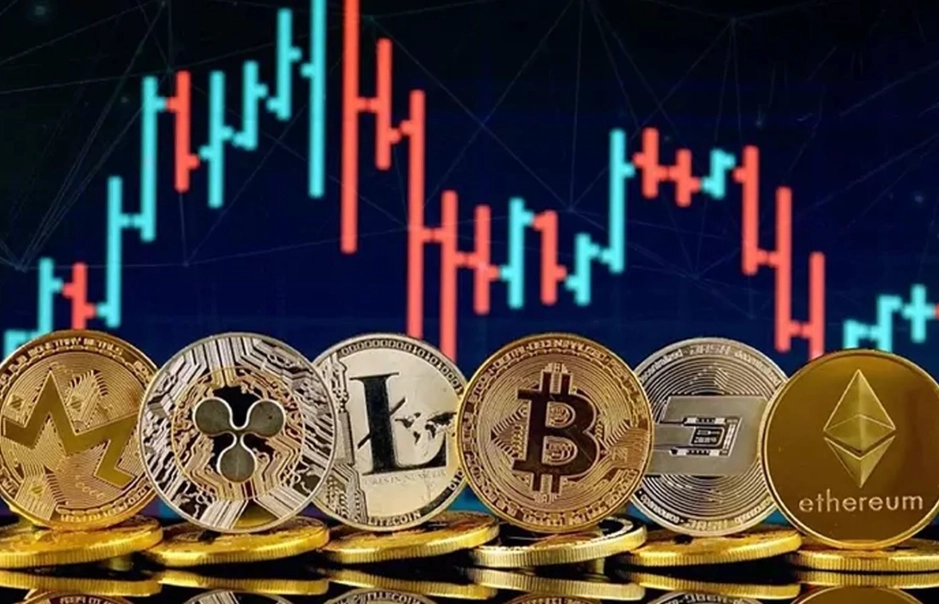
Another critical error is over-indexing on the "idea." The crypto space is full of brilliant ideas. The hard part is execution. A project aiming to "revolutionize global finance with AI and blockchain" sounds amazing. It's also meaningless without a concrete plan, a team that can build it, and users who want it.
The subtle trap nobody mentions: Confusing community hype with community quality. A Telegram group with 50,000 members where everyone spams "MOON" and "TO THE SUN" is a red flag. A Discord server with 5,000 members having technical discussions, reporting bugs, and proposing improvements is a massive green flag. You're looking for builders and users, not cheerleaders.
Real research is boring. It involves reading dry documentation, parsing spreadsheets of token allocations, and staring at dashboards of on-chain metrics. The goal is to become a temporary expert on *that one project*. Let's build the toolkit for that.
Build Your Professional Crypto Research Framework
Think of this as a checklist, but one you need to understand, not just tick off. You don't need a "yes" on every point, but a chorus of "no's" or "we don't knows" is a deal-breaker.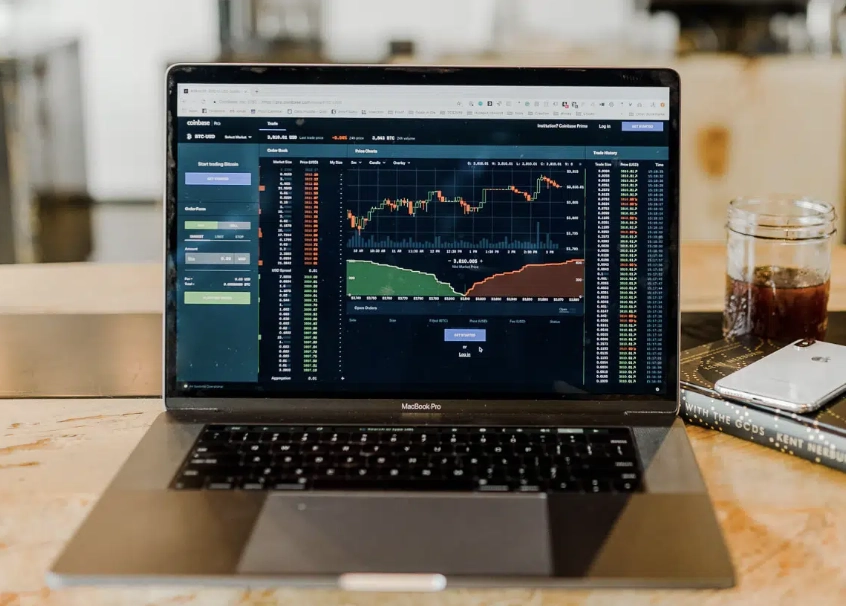
1. The Foundation: Team, Documentation, and Code
Start here, far away from the price ticker.
The Team: Are they public? What's their track record? LinkedIn profiles are a start. More importantly, look for their GitHub history. Have they been building in the open? For anonymous teams, the bar is infinitely higher. The technology and community proof must be overwhelming to compensate. An anonymous team with a barely-working product is a non-starter.
The Documentation & Whitepaper: The whitepaper is the thesis. Does it clearly define a problem and a specific solution? Or is it filled with buzzwords and vague ambitions? Then, go to the technical documentation. Is it detailed? Is it updated? Can a developer actually use it to build something? Projects like Ethereum and Uniswap have exceptional docs. It shows care.
The Code: For major projects, the code is often public on GitHub. You don't need to be a coder to check basic health signals. Look at: Commit frequency (is it actively developed?), Number of contributors (is it a one-person show?), and Recent issues/updates. A stagnant GitHub is a dying project.
2. The Token Itself: More Than Just a Price Tag
This is where many investors get blindsided. You must understand what the token actually *does* and how it enters the ecosystem.
- Utility: Is it a governance token? Does it pay fees? Is it needed to use the network? If the only utility is "you need it to pay for things on our platform," but the platform has no users, the token has no value.
- Tokenomics & Distribution: This is crucial. How were tokens distributed at launch? A fair launch? A massive pre-mine for founders and VCs? Find the distribution chart. What's the vesting schedule for team and investor tokens? A huge unlock in 6 months can crater the price. How is inflation controlled? Is there a burning mechanism? Sites like CoinMarketCap often have a "Circulating Supply" vs. "Max Supply" breakdown—dig into why there's a difference.
I once passed on a seemingly great project because 40% of the tokens were allocated to the "ecosystem fund" with no clear, time-locked spending plan. That's a black box that can dilute holders overnight. A clear, sensible plan beats a massive, vague war chest.
3. The On-Chain Reality Check
This is your lie detector. Marketing can say anything; the blockchain doesn't lie.
Use sites like Nansen, Glassnode, or Dune Analytics. You're looking for:
- Active Addresses: Is the number of unique wallets using the token/protocol growing or shrinking?
- Transaction Volume & Value: Is real money moving, or is it just wash trading?
- Holder Concentration: Do a few wallets ("whales") own most of the supply? High concentration means high volatility and manipulation risk.
- Development Activity: Some dashboards track GitHub commits and developer activity on-chain. Is the project still being built?
If a project claims millions of users but on-chain data shows only a few thousand active addresses, something's wrong.
4. The Competitive Landscape (The "Moat")
What does this project do that others don't? Why would users switch? Is it faster? Cheaper? Easier to use? Is it trying to do too many things? In crypto, a simple, focused protocol that does one thing exceptionally well (like Uniswap for swapping) often outlasts a "Swiss Army knife" project that's mediocre at everything.
Look at Total Value Locked (TVL) for DeFi, daily active users, and fee revenue compared to competitors. Don't just look at the leader; look at the #3 through #10 projects in the category. Is your project gaining or losing ground?
Putting It All Together: A Real DeFi Lending Case Study
Let's apply this framework to a hypothetical, but realistic, scenario. You're researching "Project Sparrow," a new DeFi lending protocol.
Step 1 - Foundation: The team is public, with former engineers from a known tech company. Their GitHub shows consistent, recent commits from 4 core devs. The docs are thorough. Whitepaper focuses on solving high gas fees for cross-margin lending—a specific, understood problem.
Step 2 - Token: The SPRO token is for governance and fee sharing. 50% of fees are used to buy back and burn SPRO. Token distribution: 25% to team (4-year vest), 25% to investors (2-year vest), 30% to community incentives, 20% to treasury. You note the team/investor unlock cliff in 12 months—mark your calendar.
Step 3 - On-Chain: You pull up a Dune dashboard. TVL is $50 million and rising steadily. The number of unique lenders/borrowers grows about 10% weekly. Whale concentration is moderate—top 10 holders own 15% of tokens. Healthy.
Step 4 - Competition: Sparrow competes with Aave and Compound. Its "moat" is lower fees on specific networks and a novel interest rate model. It has 2% of the TVL of Aave. The question becomes: can it capture more market share? Its growth metrics suggest it might.
This process gives you a 360-degree view. You've identified a potential opportunity (solving a real problem, good growth) and a key risk (upcoming token unlocks). Your decision is now informed, not emotional.
Reader Comments