Let's be honest, the idea of getting free crypto is what pulled most of us into this space at some point. I remember my first airdrop back in 2017—it felt like finding money in an old jacket. But today, it's a different game. It's less about luck and more about strategy. This guide isn't just another list of websites. It's the playbook I've built over years of participating in, analyzing, and yes, sometimes getting burned by airdrops. We'll cut through the noise and focus on how to systematically find real opportunities, claim them safely, and avoid the traps that waste your time and risk your funds.
Your Quick Navigation Map
What Exactly Is a Crypto Airdrop?
Think of a crypto airdrop as a marketing campaign with a digital paycheck. A project distributes free tokens or coins directly to users' wallets. It's not charity. Projects have specific goals: rewarding early believers, decentralizing ownership, or simply getting their token into enough wallets to gain traction on exchanges.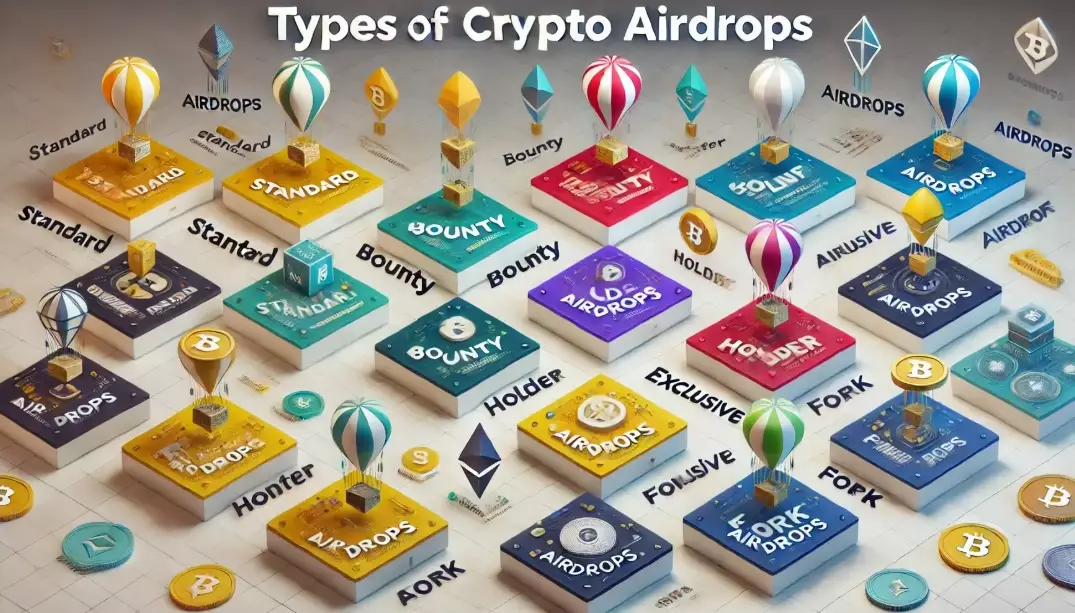
I see newcomers confuse airdrops with giveaways or faucets. The key difference is direct distribution to your wallet address. You don't "enter" a draw; if you qualify, the tokens appear.
Why projects do this: It's cheaper and more effective than traditional ads. Sending $50 worth of tokens to 10,000 engaged users costs the project very little (just the tokens they created) but builds a massive community of potential advocates. It's a classic web3 growth hack.
The Four Main Types of Airdrops
Not all free tokens are created equal. Your strategy changes based on the type.
| Type | How It Works | Effort Required | Example Scenario |
|---|---|---|---|
| Holder / Snapshot Airdrops | You hold a specific token (e.g., ETH, OSMO) in your wallet at a certain block height. The project takes a "snapshot" and rewards holders. | Low (Just hold) | Holding Ethereum in a self-custody wallet during a Layer 2 project's snapshot. |
| Fork Airdrops | A blockchain splits (forks), and the new chain's native token is credited to holders of the old chain's token. | Very Low | Bitcoin Cash (BCH) airdropped to Bitcoin (BTC) holders in 2017. |
| Bounty / Engagement Airdrops | You complete tasks: follow on Twitter, join Telegram, retweet, write a blog post. | Medium to High | A new DeFi project asks for social media engagement before launch. |
| Exclusive / Raffle Airdrops | Projects handpick users, often early testers or loyal community members. Sometimes involves a sign-up raffle. | Variable | Early users of a beta protocol get a surprise token allocation. |
The holder airdrops are the golden tickets. They reward genuine protocol usage. The bounty ones can be tedious, and frankly, most aren't worth the time unless the project has serious backing.
How to Find Legitimate Airdrops (The Right Way)
Scrolling through Twitter or random "airdrop aggregator" sites is a recipe for getting scammed. Here's the focused approach I use.
First, the mindset shift: Don't chase airdrops. Chase early usage of promising protocols. The airdrops follow. My biggest wins came from using a DeFi app because I believed in its product, not because I expected a reward.
Your Primary Hunting Grounds
- New Layer 1 & Layer 2 Ecosystems: Chains like Arbitrum, Optimism, Starknet, and Solana have massive ecosystem funds. They airdrop to users who bridge funds, swap tokens, and provide liquidity on their nascent platforms. This is the single most productive area.
- Leading DeFi & NFT Protocols: Established names like Uniswap, dYdX, and LooksRare did huge airdrops. The next ones will come from today's emerging leaders in areas like decentralized perpetuals, options, and NFT liquidity.
- Community Hubs, Not Aggregators: I rely on curated discussions, not automated lists. The Crypto Airdrops subreddit (with heavy skepticism) and specific Discord channels for chains I use (like the Arbitrum server) are where real, vetted hints appear.
The Red Flag List: If a site asks for your private key, seed phrase, or to "validate" your wallet by sending ETH first, close the tab immediately. If an airdrop requires excessive personal KYC from an unknown project, be extremely wary. Legitimate retroactive airdrops (rewards for past actions) never ask for upfront payment.
The Step-by-Step Claim Process
Let's walk through a hypothetical but realistic scenario: claiming an airdrop from "Echo," a hypothetical new DeFi protocol on Arbitrum.
Phase 1: The Discovery
I read a trusted thread on Crypto Twitter that Echo might be taking a snapshot soon for an upcoming token. I've already been using it for months to lend assets. I don't change my behavior.
Phase 2: The Announcement
Echo's official Twitter and blog announce the $ECHO airdrop. They link to a secure claim portal: claim.echofinance.xyz. I never click links from DMs. I go directly to Echo's official website and find the link there.
Phase 3: The Connection
I open my dedicated airdrop wallet (more on that later) in MetaMask. I switch my network to Arbitrum. I navigate to the claim portal and click "Connect Wallet." I only approve the connection request that appears inside my MetaMask pop-up, not any button on the webpage.
Phase 4: The Claim & Gas
The portal shows my eligible amount. To claim, I need to pay an Arbitrum gas fee (maybe $0.50-$5). I confirm the transaction in MetaMask, double-checking the receiving address is the official $ECHO token contract (I might cross-check this on Arbiscan). After a minute, $ECHO tokens appear in my wallet.
Phase 5: The Decision
This is where most guides stop. But now you have to decide: sell, hold, or stake? There's no right answer. I often take out my initial "time investment" by selling 20-50% if liquidity is decent, and stake the rest if the protocol has a good staking reward system.
The Non-Negotiable Security Checklist
This is the most important section. A single mistake can drain your entire portfolio.
- Dedicated Airdrop Wallet: Use a separate wallet (new seed phrase) with minimal funds. Only put what you need for gas and specific interactions. Your main treasure stays in cold storage, completely disconnected.
- Revoke Permissions Regularly: Sites get unlimited spend approvals for specific tokens. Use a tool like Revoke.cash every month to revoke permissions from old airdrop sites you no longer trust.
- Verify EVERY Contract: Before claiming or interacting, find the token contract address on the project's official docs or Twitter. Then, look it up on the block explorer (Etherscan, Arbiscan). Check if it's verified, see the number of holders, and look for any warnings.
- Beware of Imposter Sites: Scammers clone official sites with URLs like "ech0-claim.com" or "echo-airdrop.net." Bookmark the real sites when you first use a protocol.
I learned the hard way about permissions. Back in 2021, I left a massive USDC approval on a sketchy site I'd forgotten about. A year later, a drainer attack cleaned out that wallet. It was my expensive lesson in wallet hygiene.
Common Mistakes Even Experienced Users Make
It's not just about avoiding scams. It's about efficiency.
Mistake 1: Spreading Yourself Too Thin. Trying to interact with every new protocol is exhausting and dilutes your potential rewards on the good ones. Focus on 2-3 ecosystems you understand deeply.
Mistake 2: Overpaying for Gas in the Frenzy. When a major airdrop goes live, the claim contract gets hammered. Gas fees spike. Don't rush. Wait 12-24 hours. The tokens aren't going anywhere, and you'll save 80% on gas.
Mistake 3: Ignoring Tax Implications. In many jurisdictions, airdrops are taxable income at the fair market value when you receive them. Keep a record. Selling immediately may trigger a capital gain/loss. Talk to a crypto-savvy accountant.
Mistake 4: FOMO Holding. You get tokens worth $5,000. It feels like winning the lottery. The price pumps 100% more. You think it'll go to the moon. Often, it crashes 95% a month later. Have an exit strategy before you claim.
Reader Comments