Guide Navigation
- What Does "Free Crypto Mining" Actually Mean?
- Legitimate Ways to Mine Crypto Without Upfront Investment
- Step-by-Step: Your First Free Mining Setup (Browser Method)
- Comparing Your "Free" Mining Options
- Common Pitfalls and Scams to Avoid
- Frequently Asked Questions (FAQs)
- From Free to Serious: The Natural Progression
- Final Reality Check
Let's be honest right from the start. When you search for "how to start crypto mining for free," a part of you is hoping for a magic button. You press it, and crypto starts flowing into your wallet without you spending a dime on hardware or electricity. I get it. I was there too, years ago, scrolling through forums looking for that secret loophole.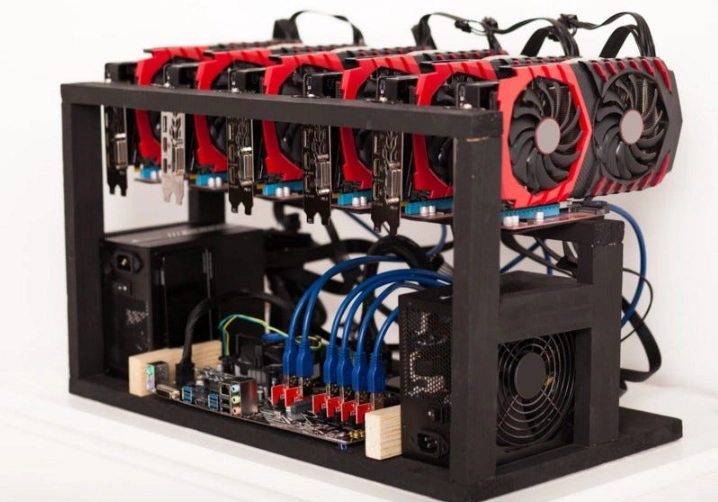
The truth is a bit more complicated, but don't click away just yet. While you can't get something for literally nothing (electricity and hardware costs are real, folks), there are absolutely legitimate ways to begin your crypto mining journey with zero upfront monetary investment. Your investment instead becomes your time, your attention, and a bit of your computer's spare processing power.
This guide is my attempt to cut through the hype and the obvious scams. We'll look at what "free" really means in this context, explore the actual methods that work, and I'll even tell you about the time I tried one of these methods for a month and what I actually earned (spoiler: it wasn't enough to retire).
What Does "Free Crypto Mining" Actually Mean?
Before we dive into the how, let's define the what. In the wild west of crypto forums, "free" can mean a dozen different things, and most of them are red flags.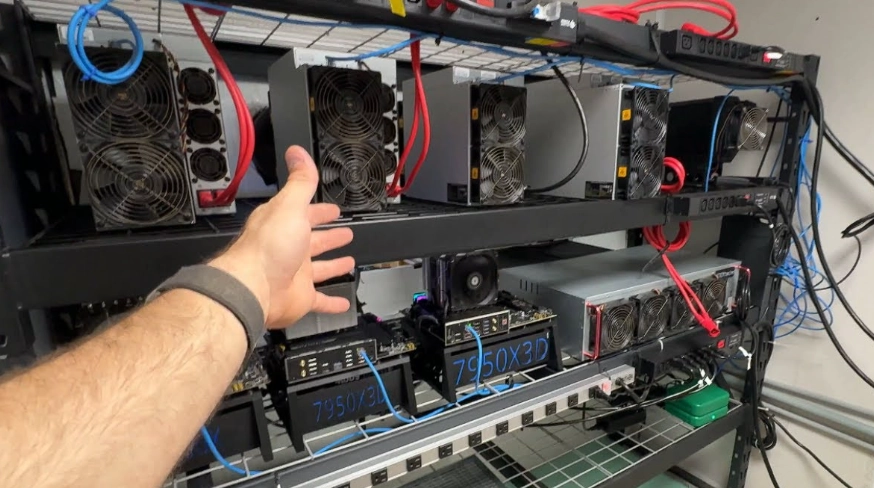
When I talk about legitimate free methods in this article, I'm referring to strategies where:
- No Purchase of Mining Hardware is Required: You're not dropping $3,000 on a shiny new miner.
- No Direct Payment for Cloud Mining Contracts: Many "free" cloud mining sites are just Ponzi schemes dressed in a fancy UI.
- You Use Existing Resources: Your personal computer, your internet connection, your time.
- You Trade Something Else of Value: Your attention for ads, your data for learning platforms, your small amounts of existing crypto for staking rewards.
The moment a site asks you to send them crypto to "activate" your free mining account, run. That's the oldest trick in the book.
Legitimate Ways to Mine Crypto Without Upfront Investment
Okay, let's get to the practical stuff. Here are the real avenues you can explore if you want to know how to start crypto mining for free. I've ranked them based on a mix of accessibility, realistic earning potential, and personal experience.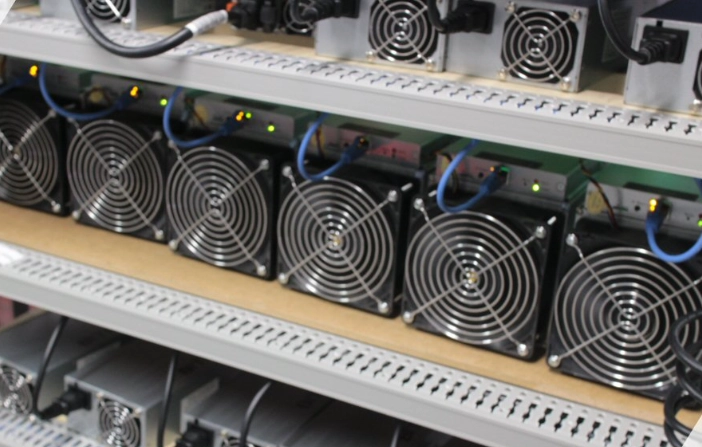
Browser-Based Mining (The Easiest, But Slowest)
Remember when some websites would hijack your CPU to mine Monero? That gave the whole concept a bad name. But there are legitimate, consent-based versions.
How it works: You visit a website that uses a JavaScript library (like CoinImp or Crypto-Loot) to mine a cryptocurrency—almost always Monero (XMR) because it's CPU-minable. You leave the browser tab open, and you get a tiny share of what's mined based on your contributed hash power.
My Personal Experience: I let one of the more reputable sites run on an old laptop for 30 days. The result? About $0.80 worth of XMR. Not exactly life-changing. The electricity cost probably outweighed the gain. It's a proof of concept, not a revenue stream.
Pros: Truly free to start. No sign-up often needed. Uses idle resources.
Cons: Earnings are microscopic. Slows down your computer. Raises ethical questions if not clearly consented to.
Earning Through "Learn-to-Earn" and Faucets
This isn't mining in the traditional, cryptographic puzzle-solving sense. It's more like getting paid to learn about crypto projects. Platforms like CoinMarketCap Earn or Binance Learn & Earn give you small amounts of new tokens for watching short videos and taking quizzes.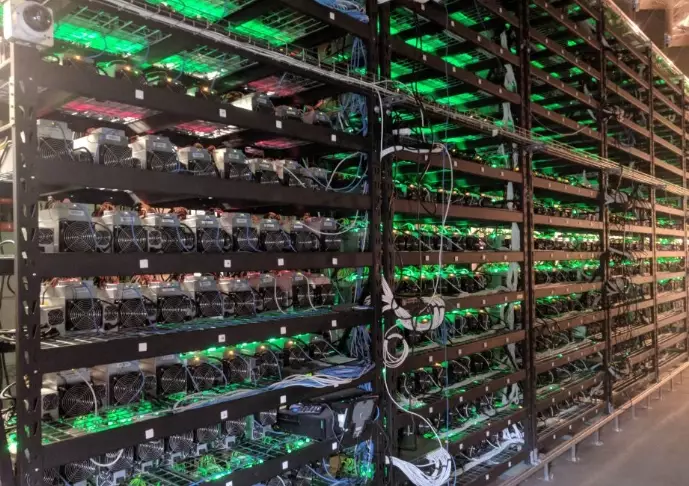
Similarly, faucets are websites that give away tiny amounts of crypto (like Satoshis for Bitcoin) for completing captchas or simple tasks. The payout is incredibly small, often taking months to reach a withdrawal threshold.
I view these not as a way to earn money, but as a fantastic, risk-free way to build a diversified crypto portfolio from zero. You get exposure to tokens you might never buy, and you learn in the process. It's a great first step.
Staking & Liquidity Mining in DeFi
Now we're getting into more advanced, but potentially more rewarding territory. This is where the line between "mining" and "earning yield" blurs, but many people searching for free mining are really looking for ways to generate crypto.
- Staking: If you can get some crypto through the methods above (or from an airdrop), you can often "stake" it on the network's official platform or through a trusted exchange. In return for helping secure the network (usually a Proof-of-Stake chain like Ethereum, Cardano, or Solana), you earn rewards. It's like interest. The official Ethereum Staking page is the best place to understand this for ETH.
- Liquidity Mining/Providing: This is a core DeFi activity. You provide two tokens (e.g., ETH and a stablecoin) to a liquidity pool on a DEX like Uniswap. In return, you earn trading fees and often additional "reward" tokens. This is NOT risk-free (hello, "impermanent loss"), but it's a powerful earning mechanism. You need initial crypto to start, but you can build up to it from zero using other methods here.
Using Free Cloud Mining Trials (Tread Carefully)
This is the category with the most scams. However, a few established, legitimate cloud mining companies offer small, truly free trial plans as a proof of service. They might give you 1 GH/s of Bitcoin mining power for a day or a week.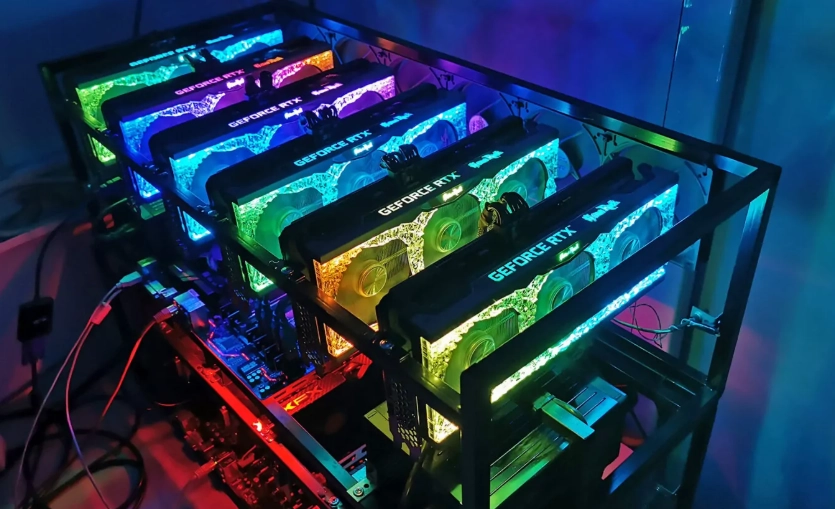
The goal here is not to make money. The earnings from a free trial are negligible. The goal is to verify that the platform is real, that payouts happen, and that the dashboard works. It's a demo. If you like it, you might later decide to invest in a paid contract.
The Golden Rule: Never, ever put your own money into a cloud mining site that promises unrealistic returns ("200% ROI in a month!"). The legitimate ones, like those sometimes featured on mining hardware manufacturer sites (e.g., Genesis Mining had a long track record), have modest returns and transparent fee structures. Do your own research (DYOR) is the law here.
Step-by-Step: Your First Free Mining Setup (Browser Method)
Let's make this actionable. Here's a simple, safe, and completely free way to get your first taste of crypto mining. We'll use a consent-based browser miner.
Step 1: Choose a Miner-Friendly Browser. I recommend using a separate browser like Brave or Chrome that you don't use for daily tasks. This keeps things tidy.
Step 2: Find a Legitimate Service. Search for "monero web miner" or "CPU miner for websites." Look for services that are open about what they do, have clear stats, and don't ask for upfront payment. Sites that let you mine for a charity or a personal cause often have more transparent models.
Step 3: Configure Your Intensity. Any good site will let you set the mining intensity (e.g., 0.5 for low, 1.0 for full). Start LOW. Set it to 0.2 or 0.3. This means it will only use 20-30% of your CPU's idle power, so you won't even notice it's running.
Step 4: Start and Monitor. Open the site, enter your Monero wallet address (create one for free on the official Monero site), set your low intensity, and hit start. Open your task manager. You should see a slight, steady CPU usage from your browser.
Step 5: Manage Expectations. Let it run for 24 hours. Check your earnings on the site's dashboard. It will likely be a fraction of a cent. This is the reality of how to start crypto mining for free with your CPU in 2024. It's educational, not profitable.
Comparing Your "Free" Mining Options
| Method | What You Actually "Pay" With | Realistic Earnings Potential | Best For | Risk Level |
|---|---|---|---|---|
| Browser Mining | Electricity, CPU lifespan, bandwidth | Extremely Low ( | Proof of concept, curiosity | Low (if using reputable site) |
| Learn & Earn / Faucets | Time, attention | Low ($1-$20/month with effort) | Building a seed portfolio, learning | Very Low |
| Free Cloud Trials | Time, personal data for sign-up | Negligible (pennies) | Testing a platform's legitimacy | Medium (scam risk, data risk) |
| Staking Rewards | Requires initial crypto (earned elsewhere) | Medium (3-10% APY on assets) | Growing existing crypto holdings | |
| DeFi Liquidity Mining | Requires initial crypto pairs, bears market risk | High (but with high risk of loss) | Advanced users with capital to risk | Very High |
That table is the cold, hard truth. The truly "free" methods pay peanuts. To get to the methods that can generate meaningful income, you need to use the peanuts as seed corn.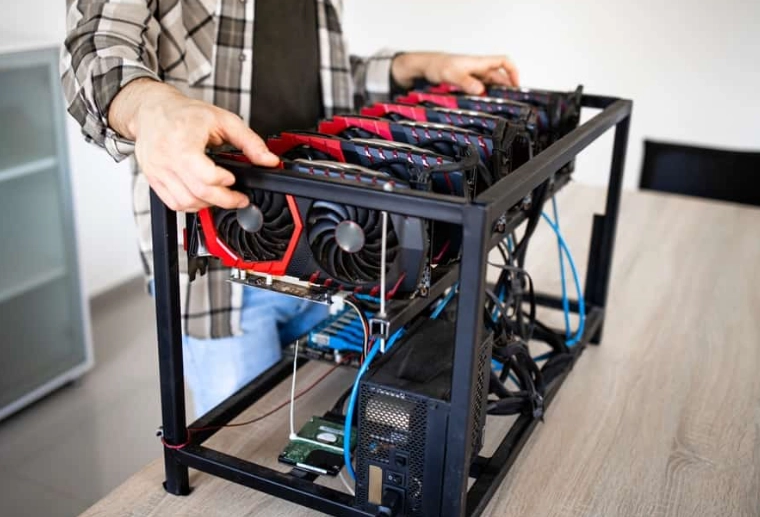
Common Pitfalls and Scams to Avoid
I'd feel irresponsible if I didn't spend time on this. The space is full of people waiting to take advantage of your desire to find free crypto mining.
- The "Just Pay the Withdrawal Fee" Scam: You "mine" on a site, build up a balance, and when you try to withdraw, they say you must pay a small fee (0.001 BTC) to "activate your wallet." You pay, and you never hear from them again. Legitimate sites deduct fees from your earnings; they don't ask for upfront payment.
- The Fake Mobile Mining App: An app on the Play Store/App Store shows a cute animation of a mining rig and a growing balance. It's just a timer and a random number generator. It never connects to any blockchain. It makes money from ads or eventually asks for an "upgrade" fee.
- The YouTube Video "Secret": Any video titled "FREE BITCOIN MINING 2024 NO INVESTMENT $1000/DAY!!!" is lying. The secret is usually a referral link to a scam site, and the creator gets a commission if you sign up and lose money.
My rule of thumb? If it sounds too good to be true, it is. If they use excessive exclamation marks and CAPS LOCK, run. If they promise specific dollar amounts, run faster.
Frequently Asked Questions (FAQs)
From Free to Serious: The Natural Progression
So, you've followed a guide on how to start crypto mining for free, you've collected $10 worth of various tokens from learn-and-earn campaigns, and you've dabbled in browser mining. What's next?
This is where your journey actually begins. You have two main paths:
- The Knowledge Path: Use your free experience as education. You now understand wallets, block explorers, transaction fees, and different consensus mechanisms. This knowledge is valuable if you ever decide to invest real money, as you'll be a more informed participant.
- The Bootstrapping Path: Aggressively use all free earning methods (faucets, airdrop hunting, learn-to-earn) to build your seed capital to $50 or $100. Then, move that capital into a low-risk staking protocol on a major blockchain. Let it earn 5% APY. Reinvest the rewards. You are now functionally running a tiny, low-power, "free" mining operation based on staking. It's slow, but it's real and sustainable.
Personally, I think the knowledge path is the most valuable outcome. The few bucks you might make aren't worth much, but knowing how to navigate a DeFi dashboard, assess a project's whitepaper, or securely manage a private key is a skill that pays dividends for years.
Final Reality Check
Look, the dream of clicking a button and printing money is just that—a dream. Bitcoin's network hash rate is measured in exahashes per second. Your laptop puts out a few kilo hashes. The math is laughably against you for traditional Proof-of-Work mining.
But the core idea behind searching for how to start crypto mining for free—the desire to participate in crypto ecosystems and generate assets from nothing—is still valid. It's just been reinvented.
The new "free mining" is about attention mining (learning, watching), community mining (participating in testnets, finding airdrops), and capital efficiency mining (staking, providing liquidity). These are the areas where a person starting from zero in 2024 can actually make headway.
Start small. Start free. Manage your expectations. Focus on learning. The profits, if they come, will be a side effect of your growing expertise, not the result of finding a magical website. Now you know where to begin.
Reader Comments