Quick Guide
Alright, let's talk about SOL to USD. If you're reading this, you've probably seen the wild swings on the chart and you're trying to make sense of it all. Is it a good buy? What's driving the price? Where's it headed? I get it. I've been tracking Solana since its mainnet launch, and let me tell you, it's been one heck of a ride – thrilling, frustrating, and incredibly educational.
This isn't going to be one of those fluffy "to the moon" pieces. We're going to dig into what actually moves the SOL/USD pair, separate the hype from the substance, and look at the real factors that could affect your investment. We'll cover the technicals, the network fundamentals, and yes, even the risks that make me nervous sometimes.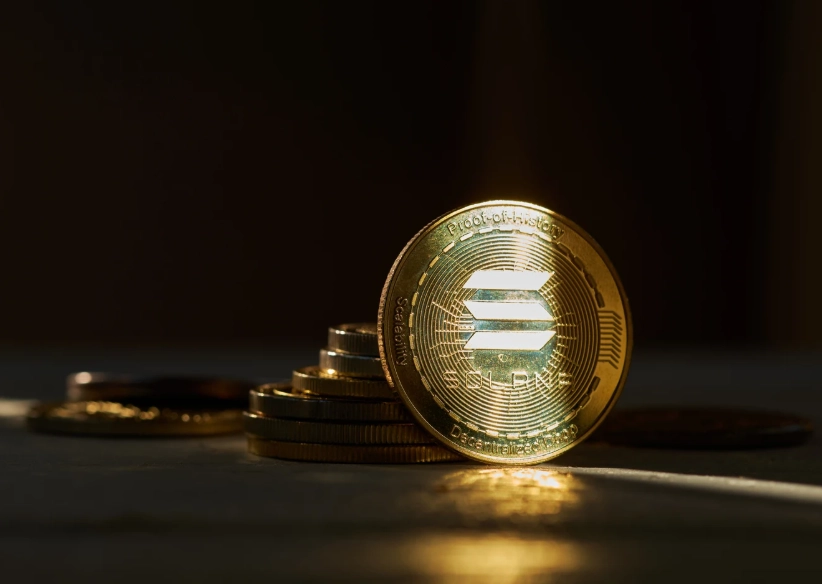
Quick Context: SOL is the native cryptocurrency of the Solana blockchain. When people search for "sol usd," they're usually looking for its current exchange rate against the US dollar, its price history, or trying to gauge its future potential. It's become a major player, often sitting in the top 10 by market cap, but its path hasn't been smooth.
What Even Is Solana (SOL) and Why Does Its USD Price Matter?
Before we get lost in charts, let's rewind. Solana launched in 2020 with a big promise: to be a fast, scalable blockchain for decentralized apps (dApps) and crypto projects. Its key selling point was speed – claiming to handle tens of thousands of transactions per second (TPS) for a fraction of a cent. That's a direct challenge to older networks like Ethereum, which have struggled with high fees and congestion.
The SOL token is the fuel for this ecosystem. You need it to pay for transactions (gas fees), to stake and help secure the network, and it's used for governance in some protocols built on Solana. So, its demand is theoretically tied to how much people are actually using the chain, not just speculating on it.
But here's the thing I've noticed: the SOL/USD price often moves more on sentiment and broader crypto market trends than on pure utility metrics, at least in the short term. A major hack or network outage can send it tumbling, even if daily active users are up. It's a constant tug-of-war between technological promise and market psychology.
The Core Drivers Behind the SOL/USD Exchange Rate
So what makes that number on CoinMarketCap go up and down? It's never just one thing.
- Network Performance and Uptime: This is a big one. Solana has faced criticism for several network halts in its history. Every time the chain stops, confidence wobbles, and the SOL to USD price feels the pressure. Conversely, long periods of stability and high throughput tend to build positive momentum.
- Ecosystem Growth: This is the bullish case. When exciting new projects like DeFi protocols (e.g., Raydium, Marinade Finance), NFT marketplaces (Magic Eden had its heyday here), or consumer apps launch successfully on Solana, it drives real demand for SOL. More developers building means more potential users needing SOL.
- Macro Crypto Trends: Let's be real. SOL doesn't trade in a vacuum. When Bitcoin (BTC) sneezes, the whole altcoin market, including SOL, often catches a cold. Federal Reserve interest rate decisions, inflation data, and general risk-on/risk-off sentiment in traditional markets spill over dramatically.
- Staking Dynamics: A huge portion of SOL's supply is staked. This locks up tokens, reducing the immediately sellable supply on exchanges. Changes in staking rewards or major unstaking events can create supply shocks that move the SOL/USD pair.
- Competitive Landscape: The rise of other "Ethereum competitors" like Avalanche (AVAX), Cardano (ADA), and newer layer-2 solutions directly impacts Solana's perceived value. If a competitor launches a killer feature or gains major institutional backing, funds can rotate out of SOL.
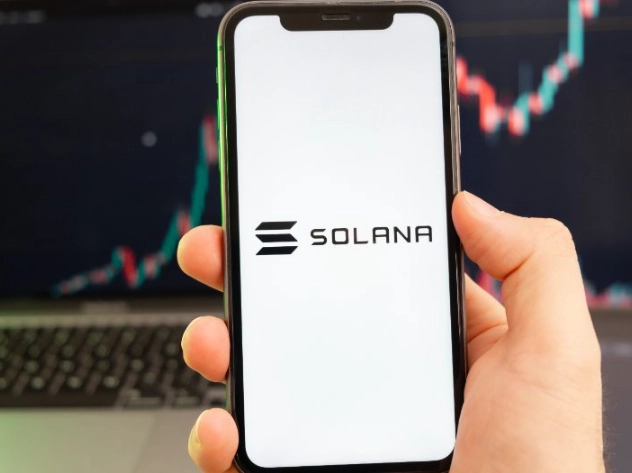
"The price of SOL in USD terms is a fever chart for Solana's perceived reliability and utility. It's not just a token; it's a vote on whether its scaling solution works in the real world." – A sentiment I've heard repeatedly from developers in the space.
I remember during the 2021 bull run, the SOL/USD price action was almost parabolic. The narrative of the "Ethereum killer" was in full force. Then the 2022 bear market and the FTX collapse (FTX and Alameda were huge Solana backers) hit like a truck. The price fell over 95% from its peak. It was brutal and a stark reminder of the sector's volatility.
A Realistic Look at Solana Price Predictions and Analysis Methods
Everyone wants to know where the price is going. I'm skeptical of most price prediction articles—they often just extrapolate the current trend with wild, unsupported numbers. Instead of giving you a magic number, let's talk about how to think about analyzing SOL to USD.
First, you have to separate the timeframes. Are you looking at the next week, the next year, or the next five years? The tools and factors change completely.
Short-Term Technical Analysis (TA) View
For trading in the next few days or weeks, traders live on the charts. They look for patterns, support and resistance levels, and momentum indicators.
My Take: I use TA as a rough guide, not a crystal ball. The crypto market is so driven by news and sentiment that a clean chart pattern can be obliterated by a single tweet. That said, ignoring key support and resistance levels for SOL/USD is like driving without a map.
Common things traders watch for the SOL/USD pair:
- Key Support/Resistance: Historical price levels where buying or selling has consistently intensified. Breaking through these can signal a new trend.
- Moving Averages: Like the 50-day or 200-day simple moving average (SMA). Is the current SOL price above or below these? It can indicate the overall trend.
- Relative Strength Index (RSI): Is SOL overbought (RSI >70) or oversold (RSI
But here's the kicker – TA works until it doesn't. A major network upgrade announcement or a partnership can make all those lines irrelevant in minutes.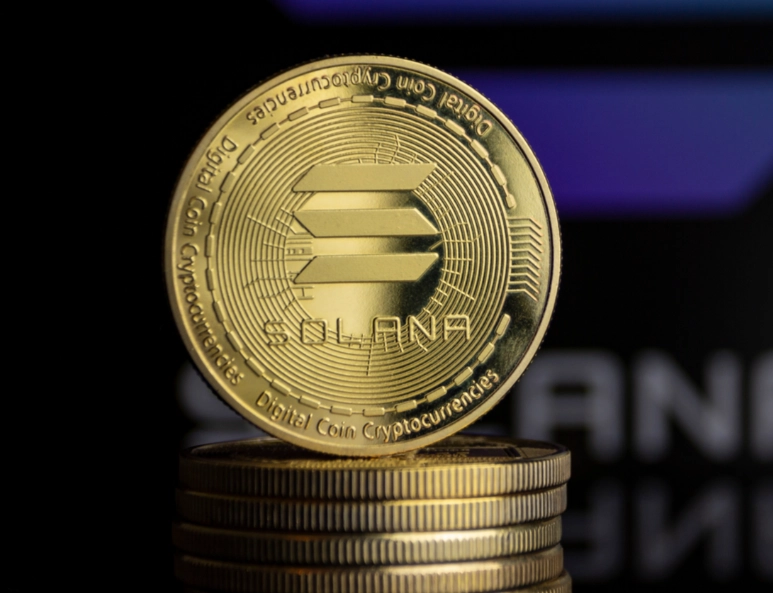
Long-Term Fundamental Analysis (FA) View
This is where I spend more of my time if I'm considering holding SOL for months or years. It's less about the squiggly lines and more about the health of the Solana network itself. You can find a lot of this raw data on sites like Solana's official website and blockchain explorers.
Key metrics I track:
| Metric | What It Measures | Why It Matters for SOL/USD |
|---|---|---|
| Daily Active Addresses | Unique addresses transacting on-chain. | Core indicator of actual usage and adoption. Rising numbers suggest growing utility. |
| Total Value Locked (TVL) | Value of crypto deposited in Solana DeFi apps. | Shows financial activity and trust in the ecosystem's DeFi sector. Higher TVL can drive SOL demand. |
| Developer Activity | Code commits, new repositories on GitHub. | Measures builder interest. A healthy, building ecosystem suggests long-term viability. |
| Transaction Volume & Fees | Total $ value of transactions and fees paid. | Directly relates to network economic activity. More fees burned or used can impact tokenomics. |
| Staking Ratio | Percentage of circulating SOL staked. | High ratio indicates long-term holder confidence and reduces sell pressure. |
When these fundamentals are improving, it creates a stronger floor and rationale for a higher SOL to USD price over time. It means people aren't just gambling; they're using the chain.
How to Actually Buy, Sell, and Track SOL to USD
Okay, so you've done your research and you want to get some SOL. How does it actually work? It's simpler than you might think, but picking the right place matters.
Most people start on a centralized exchange (CEX). These are online platforms where you can trade USD (or other fiat) for SOL.
- For Beginners: Coinbase and Kraken are user-friendly. You can literally link your bank account, deposit dollars, and buy SOL with a few clicks. The fees are a bit higher, but the ease is worth it when you're starting out. You can track the SOL/USD price right there on the app.
- For More Active Traders: Binance (where available) and Bybit often have lower trading fees and more advanced order types. They also have deeper liquidity for the SOL/USD trading pair, which means your large order is less likely to move the price against you.
Then there's the decentralized world. Using a decentralized exchange (DEX) like Orca or Raydium on the Solana network itself. Here, you connect a crypto wallet (like Phantom or Solflare), swap another crypto (like USDC stablecoin) for SOL, and you never give up custody of your funds. It's more empowering but has a steeper learning curve. You're also exposed to the notorious "SOL network congestion" during memecoin frenzies, which can make transactions slow or fail.
A Word of Caution: Wherever you buy, do not leave large amounts of SOL on an exchange long-term. Use a hardware wallet (Ledger, Trezor) or a reputable non-custodial software wallet (Phantom) to store your keys. "Not your keys, not your crypto" is a cliché for a reason – it's painfully true.
Tracking the Price and Making Decisions
You don't need fancy terminals. For tracking the SOL/USD price, I use a mix of:
- CoinGecko or CoinMarketCap: For a clean, quick view of the price, market cap, and basic charts. I cross-reference both as data can sometimes differ slightly.
- TradingView: For any serious chart analysis. The community scripts and drawing tools are unmatched.
- Solana Beach or Solscan: These are blockchain explorers. When I hear about high activity, I go here to see it live – the real-time transactions, the top contracts being called. It's the raw pulse of the network, which ultimately influences that SOL/USD quote.
Setting up price alerts is crucial. The volatility is no joke. You can set an alert for if SOL drops to a certain USD value you'd like to buy at, or rises to a level where you'd consider taking some profit.
Risks, Challenges, and the Not-So-Sunny Side of SOL
No balanced discussion about investing in SOL or tracking its USD value is complete without a heavy dose of reality. I'm bullish on the technology, but I'm not blind to the problems.
Network Outages: This is Solana's biggest historical Achilles' heel. The network has fully or partially halted multiple times, often due to overwhelming transaction loads (like during NFT mints or meme coin manias). Each outage damages institutional trust and gives ammunition to critics. The core developers are constantly working on fixes (like the QUIC protocol and stake-weighted QoS), but until it goes a full year or two without a major stall, this overhang on the SOL/USD price will remain.
Centralization Concerns: Critics point out that the network relies on a relatively small number of powerful validators, partly because running a validator requires high-performance hardware. This conflicts with the decentralized ethos of crypto. If validator concentration increases, it could pose security and governance risks.
The FTX/Alameda Shadow: The collapse of these entities, which were massive holders and promoters of SOL, left a giant overhang of SOL tokens scheduled for unlocking. The market has been nervously watching these unlock schedules for years, fearing sell pressure. It's a lingering ghost from a past era.
Hyper-competitive Space: The blockchain scalability race is a marathon, not a sprint. Ethereum is scaling with Layer 2s (Arbitrum, Optimism, etc.). Newer chains like Sui and Aptos are launching with novel architectures. Solana's technical lead is not guaranteed. Its ability to maintain developer mindshare is critical.
The Bottom Line on Risk: Investing in SOL is a bet on a specific technological approach to blockchain scaling overcoming these very real challenges. The high potential reward is directly correlated with these high risks. Your view on the SOL/USD pair should factor in your personal risk tolerance.
Common Questions About SOL and USD (The Stuff You Actually Search For)
Let's get practical. Based on what people are searching and talking about in forums, here are straight answers.
Is Solana a Good Investment?
There's no universal answer. It depends on your goals, risk tolerance, and belief in its technology. It's a high-risk, high-potential-reward asset within the high-risk crypto sector. It's not a substitute for a savings account. If you believe Solana will become a leading platform for decentralized applications and can overcome its technical hurdles, then owning SOL could be a way to gain exposure to that growth. Never invest more than you can afford to lose.
What Will Solana be Worth in 2025?
Any specific price prediction is a guess. However, analysts model scenarios based on adoption rates, total crypto market cap growth, and Solana's market share. Some optimistic models, assuming broad crypto adoption and Solana capturing a significant portion of the dApp market, project a SOL/USD price significantly higher than today. More conservative models suggest moderate growth contingent on flawless execution. Do your own research and be wary of outlandish, unsubstantiated predictions.
Why is Solana So Cheap Compared to Ethereum?
Price per token is a meaningless comparison. What matters is market capitalization (price x circulating supply). One SOL at $150 and one ETH at $3,500 tells you nothing. Solana has a larger circulating supply than Ethereum. You need to compare the total value of all coins (market cap) to gauge relative size. As of my last check, Ethereum's market cap was still multiples larger than Solana's, reflecting its larger ecosystem and first-mover advantage.
Can Solana Reach $1000?
Mathematically, yes. For SOL to reach a USD value of $1000, its market capitalization would need to grow to several times its current size. This would require a massive influx of capital into the crypto space overall and Solana capturing a dominant share of that growth. While not impossible in a long-term, hyper-bullish scenario for crypto, it's a highly speculative target that should not form the basis of an investment thesis.
Look, watching the SOL/USD chart can be addictive. But the real story isn't in the daily percent change. It's in the developer commits, the stability of the network under load, the quality of apps being built, and the steady growth of real users. That's what builds durable value. The price in USD will follow that, eventually, even if its path is as volatile and unpredictable as the technology itself is ambitious.
My final thought? Understand what you own. If you buy SOL, you're not just betting on a number going up. You're betting on a team of engineers solving one of the hardest problems in crypto, on a community of builders, and on a vision of a fast, open blockchain future. That bet comes with brilliant days and infuriating outages. Make sure your stomach, and your portfolio, are ready for both.
Reader Comments