In This Guide
Let's be real for a second. You're here because you've got some Cardano (ADA) and you're thinking about turning it into US dollars. Or maybe you're just curious about what all the fuss is about and you keep seeing "ADA USD" pop up on price trackers. I get it. The whole crypto-to-fiat thing can feel like a maze sometimes, especially when you're dealing with a project as technical as Cardano.
I remember the first time I tried to convert a small amount of ADA to USD. I fumbled through different apps, got confused by the spread (the difference between buy and sell prices), and wasn't sure if I was even using the best method. It was frustrating. This guide is the one I wish I had back then. We're going to break down everything about the ADA to USD relationship, from the basics of what that price even represents to the nitty-gritty of actually getting your money out. No fluff, just the stuff you actually need to know.
What Exactly Is ADA USD? It's More Than Just a Number
When you see "ADA USD" on a site like CoinMarketCap or CoinGecko, you're looking at the current exchange rate between one Cardano token and one United States Dollar. But here's the thing most people miss: there isn't one single, official ADA to USD price.
Think of it like this. If you walk into ten different currency exchange booths at an airport, you'll get ten slightly different rates for euros to dollars. Crypto is the same, but on a global, 24/7 scale. The price you see is usually a global average pulled from dozens of exchanges where people are actively trading ADA against USD or USD-pegged stablecoins like USDT or USDC.
Key Takeaway: The ADA USD price is a living, breathing consensus determined by millions of trades happening every second across the world. It's not set by Cardano's developers or any single company.
So, what actually makes that ADA USD number move up and down? It's a cocktail of factors.
The Engine Room: What Moves the Cardano Price?
Cardano isn't just another meme coin. Its price tends to react to a specific set of drivers, some related to the broader crypto market and some unique to its own ecosystem.
- Overall Crypto Market Sentiment: This is the big one. When Bitcoin sneezes, the whole market often catches a cold, including ADA. Fear and greed in the wider market are powerful forces.
- Cardano Network Development: This is where it gets interesting for ADA. Major upgrades, like the Alonzo hard fork that brought smart contracts, have historically caused significant price movements. The health and growth of the network—measured by things like Total Value Locked (TVL) in its DeFi apps or the number of active wallets—matters a lot to long-term holders. You can follow this development directly on the Cardano Foundation's official site.
- Adoption and Partnerships: News of a major company or government piloting a project on Cardano can boost confidence. Conversely, a lack of tangible real-world use cases can weigh on the price.
- Regulatory News: Announcements from bodies like the U.S. Securities and Exchange Commission (SEC) regarding how they view crypto assets can send shockwaves through the entire market, impacting the ADA USD pair instantly.
Ever found yourself staring at a chart, wondering what makes ADA's price tick on a random Tuesday afternoon? It's usually a mix of these factors playing out in real-time.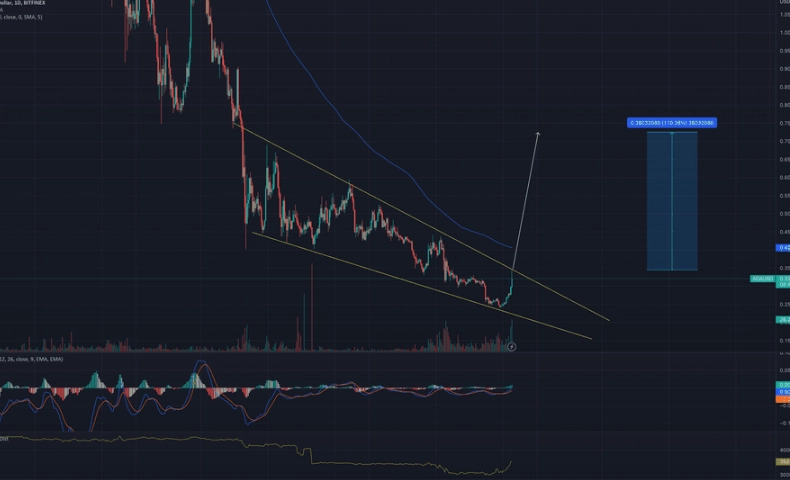
Your Toolkit: How to Actually Convert ADA to USD
Alright, theory is fine, but let's get practical. You want to get your money out. How do you do it? There are a few main paths, each with its own pros, cons, and weird little quirks.
The Centralized Exchange (CEX) Route: The Most Common Path
This is the go-to method for most people. You use a platform like Coinbase, Kraken, or Binance.US. The process is pretty standardized:
- Send your ADA from your personal wallet (like Daedalus or Yoroi) to your exchange ADA wallet address. (Double-check that address! Sending to the wrong one can mean lost funds forever.)
- Once the deposit confirms, you place a sell order on the exchange's trading platform. You're selling your ADA for either USD directly or, more commonly, for a stablecoin like USDC.
- If you end up with USDC, you then need to sell that USDC for USD on the exchange.
- Finally, you withdraw the USD to your linked bank account via ACH or wire transfer.
The good part? It's straightforward and liquid. The not-so-good part? Fees. They add up. You've got network fees to move the ADA, trading fees to sell it, and sometimes even withdrawal fees to get your USD to your bank. It's not huge on a single transaction, but it eats into your total.
Watch Out: Not all exchanges that list ADA also support direct USD withdrawals in every country. Always check your specific region's capabilities on the exchange's website before you start the process.
The Peer-to-Pocket Method: Crypto Debit Cards
This method is growing like crazy because it sidesteps the whole bank transfer step. Companies like Crypto.com or Coinbase offer Visa debit cards that are linked to your crypto account.
You simply convert your ADA to USD (or a stablecoin) within the app, load that balance onto your card, and then spend it anywhere that accepts Visa. Need groceries? Swipe the card. Filling up gas? Swipe the card. The conversion from crypto to fiat happens in the background at the point of sale.
I've used this method myself for small, daily purchases. The convenience is fantastic. The downside? You're not getting cash in hand, and there can be spending limits or foreign transaction fees depending on the card.
The Decentralized (DEX) & P2P Alternatives
For the more technically inclined, you can swap ADA for a stablecoin on a Cardano-based Decentralized Exchange (DEX) like SundaeSwap or Minswap. Then, you'd need to move that stablecoin to an exchange that lets you cash it out for USD. It's more steps and requires more comfort with DeFi protocols.
Some platforms also offer peer-to-peer (P2P) trading, where you find someone who wants to buy your ADA and pay you USD directly via PayPal or bank transfer. This can offer more flexibility on price but comes with higher counterparty risk (you have to trust the other person). I'm a bit cautious with this method unless the platform has a very strong escrow system.
To make it easier to compare, here's a quick breakdown of the main methods for handling your ADA USD conversion:
| Method | Best For | Speed | Relative Cost | Complexity |
|---|---|---|---|---|
| Centralized Exchange (e.g., Coinbase) | Large withdrawals, first-time users | Medium (1-3 days total) | Medium | Low |
| Crypto Debit Card | Everyday spending, avoiding bank transfers | Instant at point of sale | Low-Medium | Low |
| P2P Marketplace | Specific payment methods, negotiating price | Variable (minutes to hours) | Low (but price varies) | Medium-High |
| DEX to Exchange | Users already in DeFi, privacy | Slow (multiple steps) | Can be Low (but gas fees apply) | High |
Reading the Tea Leaves: Understanding ADA USD Charts
You see those candlestick charts everywhere. Green bars, red bars, wicks shooting up and down. What are they actually telling you about the ADA to USD market? You don't need to be a professional trader to get the basics.
Each "candle" shows the price action for a specific time period (one hour, one day, etc.). The body of the candle shows the opening and closing price. If it's green, the price closed higher than it opened (bullish). If it's red, it closed lower (bearish). The wicks or shadows show the highest and lowest prices reached during that period.
A long green candle with small wicks means strong buying pressure pushed the ADA USD price up consistently. A long red candle means sellers were in control. A candle with long wicks on both ends but a small body shows a lot of volatility and indecision—the price swung high and low but didn't move much overall.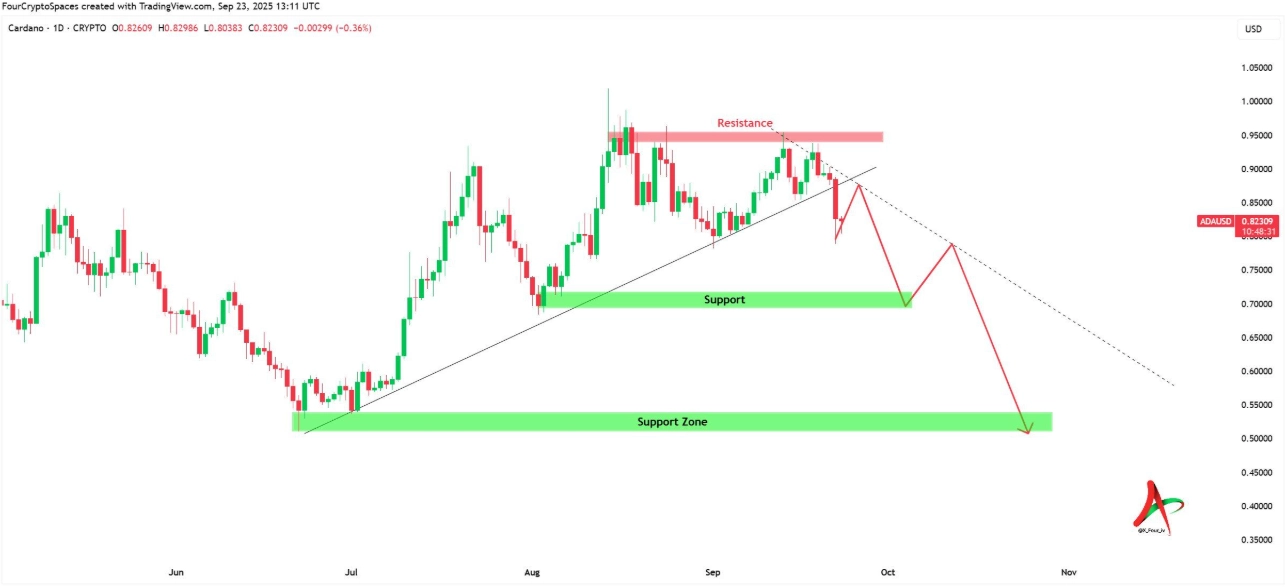
Looking at longer time frames (the weekly or monthly chart) is often more useful for understanding the real trend than getting lost in the minute-by-minute noise. Is ADA generally making higher highs and higher lows over months? That's an uptrend. The opposite is a downtrend.
Volume is the other critical piece. It's the number of ADA tokens traded in a period. A big price move on high volume is more significant than the same move on low volume—it means more people are behind the move.
Navigating the Pitfalls: Fees, Taxes, and Timing
Nobody likes nasty surprises. Here are the real-world headaches people often forget when thinking about ADA USD.
The Fee Maze
We touched on this, but it deserves its own spotlight. Converting ADA to USD is rarely free. You encounter:
- Blockchain Network Fee: Paid in ADA to send your tokens to an exchange. This fee is dynamic and based on network congestion.
- Exchange Trading Fee: A percentage of your trade, often between 0.1% and 0.5%. Some exchanges offer lower fees if you use their native token.
- Withdrawal Fee: The exchange might charge a flat fee to send USD to your bank.
- Spread: This is the hidden cost. It's the difference between the highest price a buyer is willing to pay (the bid) and the lowest price a seller will accept (the ask). On less liquid trading pairs, this spread can be wide, effectively costing you money.
Always do a small test transaction first if you're moving a large amount. It's worth the tiny extra fee to make sure everything works.
The Taxman Cometh
This is crucial and where many people get tripped up. In the United States and many other countries, converting cryptocurrency to fiat currency (like USD) is a taxable event. You are realizing a capital gain or loss.
If you bought ADA at $0.50 and sell it for $0.60, you have a $0.10 per token capital gain, and you owe taxes on that profit. The specific rate depends on how long you held the asset (short-term vs. long-term capital gains). The IRS provides guidance on this, and it's worth consulting their publications or a tax professional. I learned this the hard way after my first tax season in crypto—keeping good records of every buy and sell from day one is non-negotiable.
Pro Tip: Use a crypto portfolio tracker that supports tax reporting (many do). Connect your exchange APIs, and let it automatically calculate your cost basis and gains/losses throughout the year. It saves countless hours of headache.
Timing (The Impossible Game)
Everyone wants to sell at the peak. But trying to time the market is a recipe for stress and often, worse results. A more disciplined approach is to have a plan. Why are you converting this ADA to USD? Is it for a specific purchase? To take some profits? To rebalance your portfolio?
Having a clear reason helps you avoid making emotional decisions when the ADA USD chart is flashing bright red or glowing green. Some people use dollar-cost averaging in reverse—selling a set amount at regular intervals regardless of price—to smooth out their exit.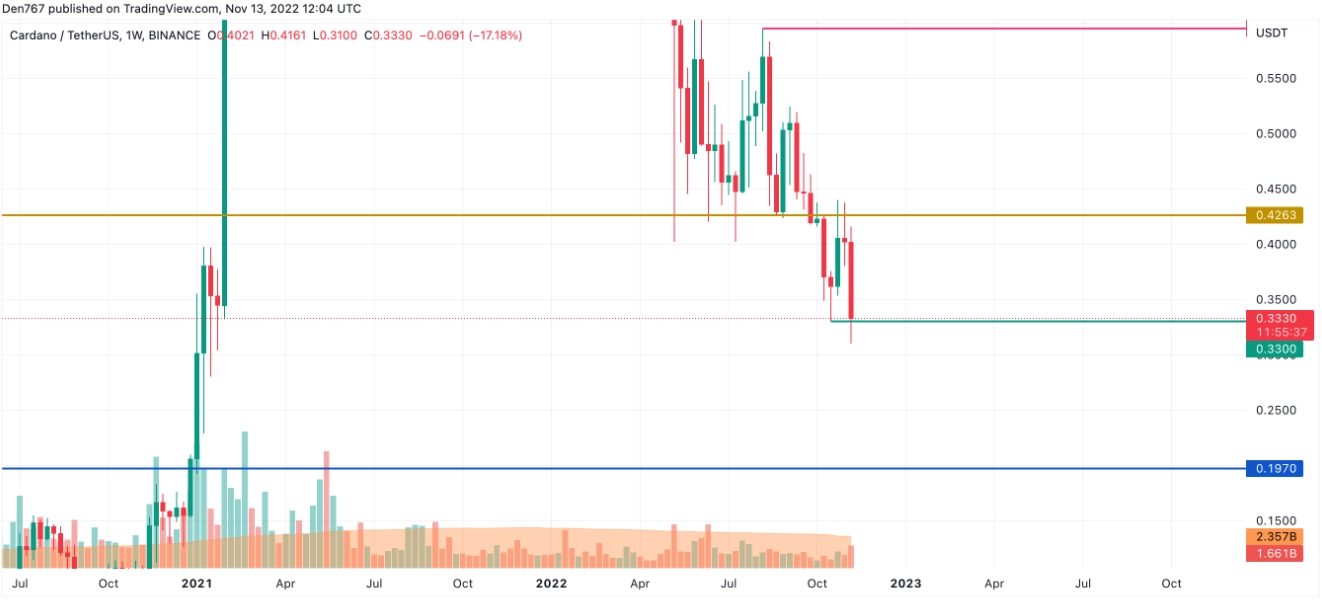
Your Burning Questions on ADA USD, Answered
Why is ADA price so volatile compared to USD?
Where is the best place to convert ADA to USD?
- Where you live: Available exchanges vary by country.
- How much you're converting: Fees structures differ; some have flat fees better for large amounts, others have percentages better for small amounts.
- Your priority: Lowest cost? Fastest withdrawal? Best customer support?
Can I set up a limit order for ADA USD?
Is the ADA USD price the same on every exchange?
What's the difference between ADA/USD and ADA/USDT?
Putting It All Together: A Realistic Action Plan
So, you've read all this. What should you actually do? Let's make a simple checklist.
- Know Your 'Why': Decide exactly why you're converting ADA to USD before you look at the price. This is your anchor.
- Check the Landscape: Pull up a trusted price aggregator to see the current global ADA USD average and recent trend. Don't just rely on one exchange's homepage.
- Choose Your Path: Based on your amount, speed needs, and country, decide which conversion method (CEX, card, etc.) makes sense.
- Account for the True Cost: Calculate the estimated total fees (network + trading + withdrawal) so you know exactly how much USD will hit your bank account.
- Consider the Tax Impact: Note the date, amount, and your original purchase cost for this transaction. Put it in your records immediately.
- Execute with Care: Send a small test amount first if it's a new platform or large sum. Then, use a limit order if you're not in a desperate hurry.
- Verify and Secure: Once the USD arrives in your bank account, confirm the amount. Consider what you'll do with any remaining ADA—move it back to a secure personal wallet if it's staying on an exchange.
The world of ADA USD doesn't have to be intimidating. It's just a process. A slightly complicated, fee-laden, tax-reportable process, but a process nonetheless. By understanding what's happening behind that simple price quote, you take control of your own crypto finances. You stop being a passive observer of the charts and start making informed moves, whether you're cashing out for a rainy day, taking profits, or just covering your next bill.
And remember, the goal isn't to perfectly time the market. It's to understand the tools, manage the risks, and make the system work for you.
Reader Comments