In This Article
- From Joke to Juggernaut: The Dogecoin Origin Story
- So, How Does Dogecoin Actually Work? The Tech Stuff, Simplified
- Is Dogecoin a Good Investment? The Honest Pros and Cons
- How to Buy and Store Dogecoin Safely: A Step-by-Step Walkthrough
- The Future of Dogecoin: What's Next for the Doge?
- Your Dogecoin Questions, Answered (FAQ)
Let's be real for a second. When you first heard about Dogecoin, you probably thought it was a joke. I know I did. A cryptocurrency based on a meme of a Shiba Inu dog? It sounded like the internet had finally lost the plot. But here we are, years later, and DOGE isn't just still around—it's become a cultural phenomenon that's made some people a lot of money and left others scratching their heads.
So what's the deal? Is Dogecoin a serious investment or just a digital pet rock with a passionate fanbase? That's what we're going to unpack. This isn't going to be one of those dry, technical white papers that puts you to sleep. We're going to talk about Dogecoin like normal people, covering everything from its weird origins to how you actually buy the stuff, and whether putting your money into a meme is genius or madness.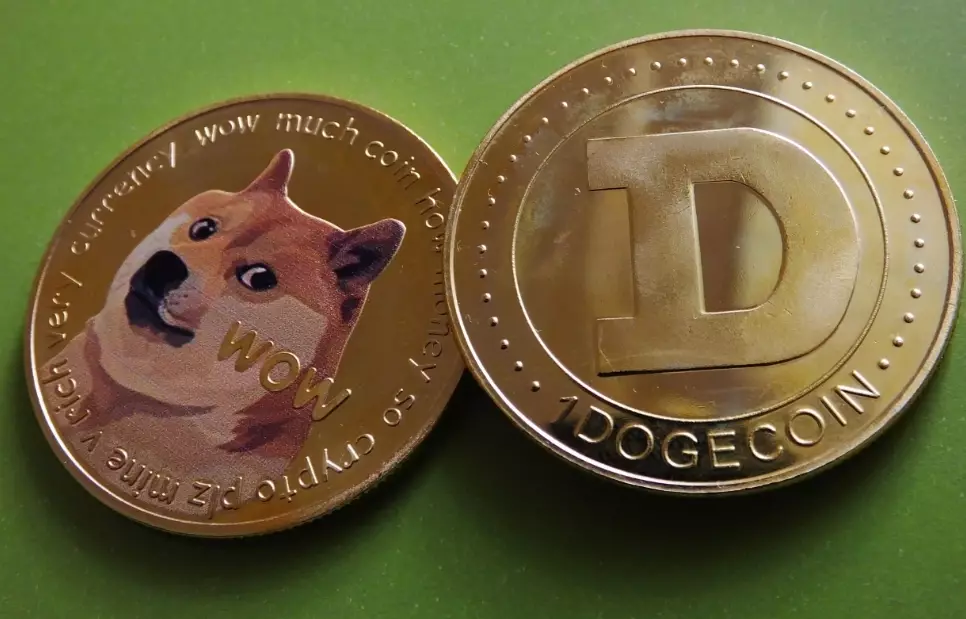
I've been following crypto for a while now, and I've seen the whole Dogecoin rollercoaster. The hype, the crashes, the Elon Musk tweets that send the price swinging like a pendulum. It's wild. And if you're trying to figure it all out, you've come to the right place.
From Joke to Juggernaut: The Dogecoin Origin Story
It was December 2013. Bitcoin was starting to get mainstream attention, and with it came a wave of super-serious, often pretentious, talk about blockchain technology and the future of finance. Billy Markus, a software engineer, and Jackson Palmer, a marketer at Adobe, found it all a bit much. So they did what any reasonable internet denizen would do—they made fun of it.
They combined the popular "Doge" meme (you know, the Shiba Inu with the broken English comic sans thoughts) with the concept of a cryptocurrency. The goal wasn't to get rich. It was to create something fun, friendly, and accessible—the opposite of Bitcoin's sometimes intimidating, tech-bro vibe. The official pronouncement was even written in meme-speak: "Very currency. Many coin. Wow."
And then something funny happened.
People loved it. The lighthearted nature was a breath of fresh air. The Dogecoin community, or "Shibes" as they're called, quickly formed. They were generous. They tipped each other online for good posts and funny comments. They famously raised $50,000 to send the Jamaican bobsled team to the Sochi Olympics and another $30,000 to sponsor a NASCAR driver. This wasn't about lambos and moon shots (yet); it was about goofy, positive collaboration.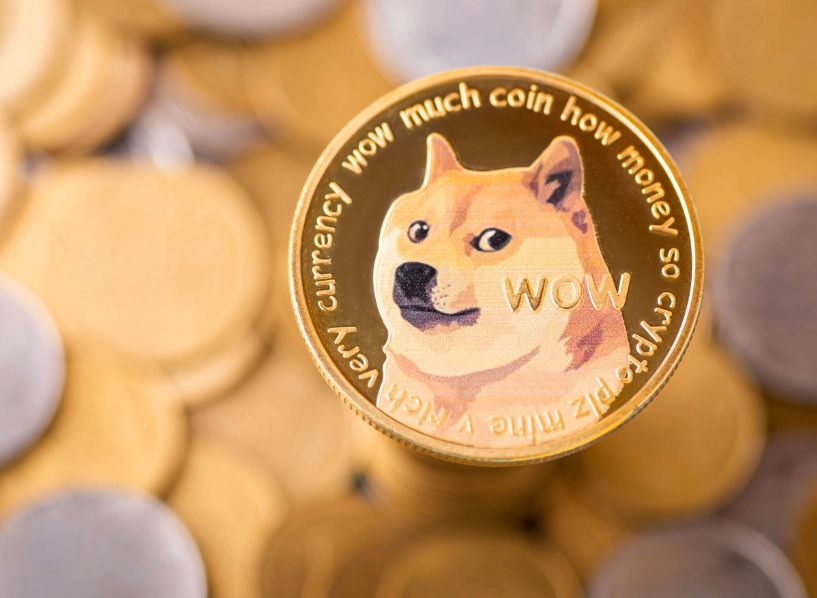
That foundation of a strong, meme-savvy community is arguably the single biggest reason Dogecoin didn't fade into obscurity like hundreds of other joke coins. The community gave it a soul, a reason to exist beyond pure speculation. When everything else in crypto felt like a spreadsheet, Dogecoin felt like a party.
So, How Does Dogecoin Actually Work? The Tech Stuff, Simplified
Okay, we have to get a little technical here, but I promise to keep it painless. Under the hood, Dogecoin is a fork of Luckycoin, which was itself a fork of Litecoin. In simple terms, they took existing code and tweaked it.
The Core Mechanics in Plain English:
Consensus Mechanism: It uses Proof-of-Work (PoW), just like Bitcoin and Litecoin. Miners use computers to solve complex puzzles to validate transactions and secure the network. They get rewarded with new DOGE for their work.
Supply: Here's a major difference from Bitcoin. Bitcoin has a hard cap of 21 million coins. Dogecoin was originally capped at 100 billion, but that limit was removed in 2014. It now has an inflationary model. Every minute, 10,000 new Dogecoins are mined, adding about 5.2 billion new coins per year. Proponents say this encourages spending rather than hoarding. Critics say it dilutes value forever.
Speed & Cost: It's fast and cheap. A Dogecoin block is mined every minute (vs. Bitcoin's 10 minutes), and transaction fees are typically a fraction of a cent. This makes it genuinely practical for small, everyday tips and payments, which was the original point.
You can see the full, real-time blockchain data and metrics for Dogecoin on sites like CoinMarketCap and CoinGecko. These are great resources for checking the current price, market cap, and trading volume—the basic vital signs of any crypto.
The technology isn't trying to be the most advanced. It's stable, it works, and it's been reliably processing transactions for over a decade. In the world of crypto, where "revolutionary" new projects come and go weekly, there's something to be said for boring reliability.
Is Dogecoin a Good Investment? The Honest Pros and Cons
This is the million-dollar question, isn't it? Or maybe the billion-Doge question. Let's lay out the case for and against, without the hype or the hate.
I've talked to people who bought Dogecoin early for a laugh and ended up with life-changing money. I've also talked to people who bought at the peak of the 2021 mania and are still sitting on massive losses. Your experience will depend almost entirely on timing, psychology, and a huge dose of luck.
Potential Reasons to Consider Dogecoin
- The Brand and Community are Unmatched: Name another crypto with this level of mainstream recognition. The Doge meme is iconic. This brand power gives it staying power and the ability to attract new users in a way a technically superior but unknown coin never could.
- It's a Cultural Barometer: Dogecoin's price often moves based on social media sentiment, celebrity endorsements (hello, Elon), and internet trends. For some, trading DOGE is less about the tech and more about betting on the mood of the online crowd.
- High Liquidity and Availability: You can buy Dogecoin on virtually every major cryptocurrency exchange, like Binance, Kraken, and Coinbase. This ease of access is a huge advantage over smaller coins.
- The "People's Crypto" Narrative: It still carries the vibe of being for the everyday person, not just institutional whales. This narrative is powerful, even if the reality is more complicated.
The Significant Risks and Drawbacks
- The Inflation Problem: That unlimited supply is a big deal. Basic economics suggests that if you keep printing more of something forever, it's hard for the price per unit to go up significantly in the long run, unless demand grows even faster. It's a constant headwind.
- Development is Slow: The core Dogecoin developer team is small and volunteer-driven. Major technical upgrades are rare. It's not competing to be the smart contract platform of the future. If you believe crypto's value is in technological innovation, Dogecoin might not be for you.
- Extreme Volatility and "Whale" Control: The price can swing 20% in a day based on a single tweet. A very small percentage of wallets hold a massive amount of the total Dogecoin supply, which means a few big players can dramatically move the market.
- It's a Meme First: Its value is almost entirely based on perception and community belief. If the meme dies or the community fractures, what's left? This is the core existential risk.
Personally, I think treating Dogecoin as a serious, long-term "investment" in the traditional sense is missing the point. It's more of a speculative asset with a fantastic story. It's a bet on internet culture continuing to value this specific joke.
"Dogecoin is the perfect example of a decentralized, community-driven currency that proved a point: you don't need to be serious to be significant."
How to Buy and Store Dogecoin Safely: A Step-by-Step Walkthrough
Alright, let's say you've read all this and you still want to get some DOGE. How do you do it without getting scammed or messing it up? Let's break it down.
Step 1: Choose a Cryptocurrency Exchange
This is where you'll swap your regular money (USD, EUR, etc.) for Dogecoin. You want a reputable, established platform. Here's a quick comparison of a few top choices:
| Exchange | Best For | Fees (Approx.) | Ease of Use |
|---|---|---|---|
| Coinbase | Absolute beginners. Super simple interface. | Higher (spread + ~1.5% transaction fee) | Very Easy |
| Kraken | Beginners to intermediates. Good balance of features and security. | Lower (0.16% - 0.26% maker/taker) | Easy |
| Binance | Experienced traders. Huge variety of coins and trading pairs. | Very Low (0.1% spot trading) | Intermediate/Complex |
| Crypto.com | People who want an all-in-one app for trading, spending, and a debit card. | Variable, can be high for instant buys | Easy |
My recommendation for most people starting out? Kraken or Coinbase. Just know you're paying for that simplicity on Coinbase. Always enable Two-Factor Authentication (2FA) the moment you create an account.
Step 2: Get a Dogecoin Wallet (This is Crucial!)
"Not your keys, not your crypto." If you leave your Dogecoin on the exchange, you're trusting that company with your money. If they get hacked or go down, your DOGE could be gone. A wallet gives you control.
Software Wallet (Hot Wallet): An app on your phone or computer. Convenient for smaller amounts you might spend or trade.
Examples: Trust Wallet, Exodus, Dogecoin Core (the official desktop wallet).
Hardware Wallet (Cold Wallet): A physical device like a USB stick. It stores your private keys offline, making it immune to online hacks. This is the gold standard for security for any significant amount you're holding long-term.
Examples: Ledger Nano S/X, Trezor Model T. You can find official setup guides on the manufacturer's websites, like the Ledger support page for Dogecoin.
Seriously, don't skip this step.
Step 3: The Actual Purchase Process
- Sign up on your chosen exchange and complete identity verification (KYC).
- Deposit funds via bank transfer, debit card, or other method.
- Navigate to the trading section and find the DOGE trading pair (e.g., DOGE/USD).
- Place a "market" order to buy at the current price, or a "limit" order to set your desired price.
- Once the purchase completes, you'll see Dogecoin in your exchange account balance.
Step 4: Withdraw to Your Personal Wallet
Go to the "Withdraw" section on the exchange. Enter your personal Dogecoin wallet's public receiving address. Double-check, no triple-check, this address. One wrong character and your coins are lost forever. Start with a small test transaction if you're nervous.
And boom. You now own Dogecoin that you fully control. Welcome to the club.
The Future of Dogecoin: What's Next for the Doge?
Predicting the future of any crypto is a fool's errand, but we can look at the currents. The days of Dogecoin being a pure joke are over. It's now a serious financial asset in the eyes of the market, whether the founders like it or not.
The path forward likely depends on a few things:
1. Adoption as an Actual Currency: The original vision. We're seeing more merchants accept Dogecoin for payments, often facilitated by payment processors. If this grows, it creates real, utility-driven demand beyond speculation. Sites like SpendDoge track businesses that accept it.
2. Integration and Bridges: Projects that connect Dogecoin to other blockchains (like wrapped DOGE on Ethereum) could let it play in the DeFi and NFT spaces, giving it new use cases.
3. The Eternal Elon Factor: Love him or hate him, Elon Musk's influence is a reality. His companies (Tesla, SpaceX, X) accepting DOGE or integrating it would be a major catalyst. But relying on one person is also a massive risk.
4. Community Evolution: Can the Shibe community maintain its fun, generous spirit as more big money and speculators pour in? That culture is its greatest asset.
I'm skeptical that Dogecoin will ever "flip Bitcoin" or become the world's reserve currency. But I'm also convinced it won't just disappear. It has carved out a unique niche as the friendly, approachable face of crypto—a gateway drug for many into the wider world of digital assets. That's a valuable role to play.
Your Dogecoin Questions, Answered (FAQ)
Let's tackle some of the most common things people search for when they're trying to understand Dogecoin.
For the average person using a regular computer? Almost certainly not. Dogecoin mining is now dominated by large mining pools using specialized hardware (ASICs). The electricity cost would likely exceed the value of the DOGE you'd mine. You're better off just buying it on an exchange.
More than you might think! A growing number of online retailers, tech companies, and even some physical businesses accept it. You can buy merch, gift cards, software, hosting services, and even a Tesla (for a while, at least). The list is always expanding.
Think of Bitcoin as digital gold—scarce, valuable, and meant to be stored. Dogecoin is meant to be digital cash—fast, cheap, and easy to spend. Different tools for different jobs. Bitcoin has a fixed supply; Dogecoin has an infinite, inflationary one. Bitcoin is serious business; Dogecoin has a sense of humor.
The Dogecoin blockchain itself is very secure, benefiting from the same Proof-of-Work security as Litecoin (through merged mining). The risks come from elsewhere: exchanges getting hacked, you losing your private keys, or falling for a phishing scam. The network is robust; human error is the weak link.
Ah, the eternal question. SHIB is the "Dogecoin killer" that calls itself a meme coin but has a more complex ecosystem (its own DEX, NFTs, etc.). Dogecoin is the simpler, original, and more established asset. SHIB has higher risk and potentially higher reward (or loss). Dogecoin has more brand recognition and stability (by meme coin standards). It's like choosing between a classic rock band and a new viral pop star.
Look, at the end of the day, Dogecoin is a fascinating experiment. It's a test of what gives something value. Is it flawless technology? A strict monetary policy? Or is it community, narrative, and a shared sense of fun? Dogecoin argues powerfully for the latter.
It taught the crypto world that culture matters. That accessibility matters. Whether you buy a single Dogecoin for the meme or decide it's not for you, understanding its journey gives you a much clearer window into the weird, wonderful, and often irrational world of cryptocurrency. And that's worth something.
Just remember, do your own research, never invest more than you can lose, and for the love of Satoshi, get a hardware wallet if you're going to play this game.
Reader Comments