Quick Guide
- Why Should You Even Care About Crypto Currency?
- The Heavy Hitters: Bitcoin, Ethereum, and The Altcoin Universe
- How to Actually Get Started with Crypto Currency (Without Losing Your Shirt)
- The Elephant in the Room: Risks, Scams, and How to Spot Them
- Answering Your Burning Questions (The FAQ You Actually Need)
- Looking Ahead: What's Next for Crypto Currency?
You've heard the stories. The wild price swings, the overnight millionaires, the confusing jargon. Crypto currency feels like a club where everyone else knows the secret handshake. I remember first hearing about Bitcoin back in 2013 and thinking it was just for buying... well, questionable things on the internet. I was so wrong, and that early dismissal cost me a potential early entry point. The truth is, understanding crypto currency is less about getting rich quick and more about understanding a fundamental shift in how we think about value, trust, and the internet itself.
Let's start with the absolute basics, without the hype. A crypto currency is a type of digital or virtual currency that uses cryptography for security. The "crypto" part is key—it makes it nearly impossible to counterfeit or double-spend. Unlike the dollars in your bank account, most cryptocurrencies operate on decentralized networks based on blockchain technology. This is a big deal. It means no single entity, like a government or a central bank, controls it. The network of computers running the software maintains it collectively.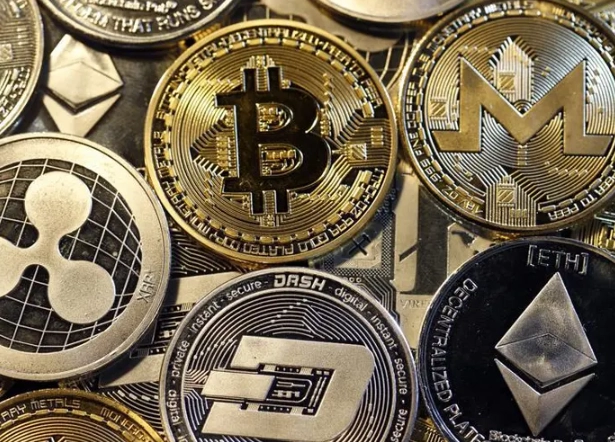
Why Should You Even Care About Crypto Currency?
It's a fair question. If it's so volatile and confusing, why bother? Look, I'm not here to shill you on any particular coin. But ignoring the space entirely is like ignoring the internet in the 90s. You don't have to bet your life savings, but you should understand the forces at play. For many people, crypto represents a few key things: a potential hedge against inflation (if you believe traditional money is being printed too freely), access to financial services for people without bank accounts (a huge deal globally), and a new way for developers to build applications that don't rely on Amazon or Google's servers.
That last point is what gets tech people really excited. It's called Web3 or decentralized apps (dApps). But we're getting ahead of ourselves.
The Heavy Hitters: Bitcoin, Ethereum, and The Altcoin Universe
Not all crypto currency is created equal. They serve different purposes. Let's break down the main categories you'll encounter.
Bitcoin (BTC): The Digital Gold
Created by the mysterious Satoshi Nakamoto in 2009, Bitcoin was the first crypto currency and remains the most well-known. Its primary purpose, in my view, is as a store of value and a potential alternative to gold. It's relatively slow for transactions and can have high fees, but it's the most secure network out there. People buy Bitcoin because they believe in its scarcity (only 21 million will ever exist) and its resilience. It's the flagship.
Ethereum (ETH): The Digital World Computer
If Bitcoin is gold, Ethereum is more like oil, electricity, and a construction site all rolled into one. Vitalik Buterin and others launched it in 2015 with a key innovation: smart contracts. These are self-executing contracts where the terms are written directly into code. This allows for everything from creating other cryptocurrencies (tokens) on its network to running those decentralized apps I mentioned. Most of the activity in the crypto world beyond simple buying and selling happens on Ethereum or its competitors. Its native crypto currency, Ether (ETH), is used to pay for these computational services.
Altcoins & Tokens: The Specialists
"Altcoin" just means alternative coin to Bitcoin. There are thousands. Some aim to be better digital cash than Bitcoin (like Litecoin or Bitcoin Cash). Some are "Ethereum killers" trying to do what Ethereum does but faster and cheaper (like Cardano, Solana, or Avalanche). Then there are tokens for specific ecosystems, like the Basic Attention Token (BAT) used in the Brave browser to reward users for viewing ads. It's a wild west.
Here’s a quick comparison of the top players by their intended use case:
| Cryptocurrency | Primary Role | Key Differentiator | My Personal Take (Risk Level) |
|---|---|---|---|
| Bitcoin (BTC) | Store of Value / Digital Gold | First, most secure, maximal scarcity | Lower risk (for crypto). The bedrock, but slow. |
| Ethereum (ETH) | Platform for dApps & Smart Contracts | Programmable blockchain, huge developer ecosystem | Medium-High risk. Essential but faces scaling challenges. |
| Cardano (ADA) | Platform (Academic & Research-Focused) | Peer-reviewed development, proof-of-stake from launch | High risk. Promising but has to deliver on its ambitious roadmap. |
| Solana (SOL) | High-Speed Platform for dApps | Extremely fast and cheap transactions | Very High risk. Brilliant tech, but has had network outages. |
| Polkadot (DOT) | Interoperability Network | Connects different blockchains together | High risk. Solves a complex future problem. |
See what I mean? It's not one thing. Each crypto currency is trying to solve a different puzzle. And honestly, most of them will probably fail in the long run. That's just how technology evolution works.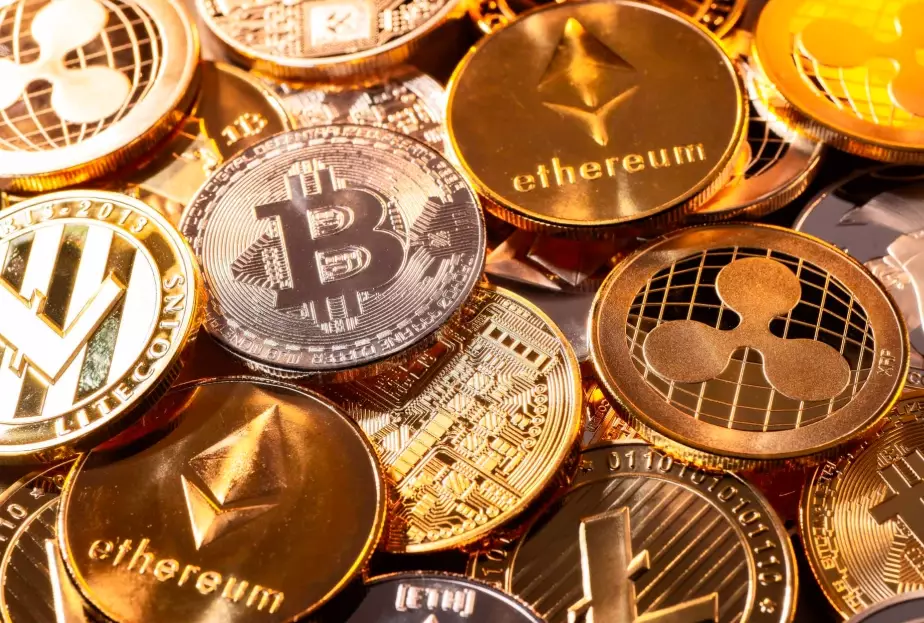
How to Actually Get Started with Crypto Currency (Without Losing Your Shirt)
Okay, so you're intrigued. How do you dip a toe in? Throwing money at the first coin you see on social media is a recipe for disaster. I learned that the hard way in 2017. Let's walk through a sane approach.
Step 1: Choose a Reputable Exchange
You need a platform to buy crypto with your regular money (fiat). Think of it like a stock brokerage, but for digital assets. In the US, Coinbase is the most beginner-friendly. It's a publicly traded company, which adds a layer of regulatory scrutiny. Kraken is also highly respected for its security. For more advanced users, Binance is the global giant with the most coins, but it has faced regulatory hurdles. Do your own research here—check fees, supported coins, and security features.
Step 2: Get a Wallet (This is Where You Actually "Own" It)
This is the most important concept beginners miss. If you buy crypto on Coinbase and leave it there, Coinbase technically controls it (they hold the "private keys"). It's like having cash in a bank versus in your physical wallet.
For true ownership, you move it to your own wallet. There are two main types:
- Hot Wallets: Software wallets connected to the internet (e.g., MetaMask, Trust Wallet). Convenient for frequent use or interacting with dApps, but less secure than cold wallets.
- Cold Wallets: Hardware devices (e.g., Ledger, Trezor) that store your keys offline. This is the gold standard for security for any significant amount you're not actively trading. It looks like a USB drive. Yes, you have to buy it (around $80). Think of it as insurance.
My rule? If you're investing an amount you'd be genuinely upset to lose, get a hardware wallet. No excuses.
Step 3: Develop a Strategy, Not a Gambling Habit
Are you investing or speculating? There's a difference.
- Long-Term Holding ("HODLing"): You believe in the long-term potential of Bitcoin or Ethereum and buy small amounts regularly, regardless of price, a strategy called Dollar-Cost Averaging (DCA). You ignore the daily noise. This is the least stressful approach.
- Active Trading: Trying to buy low and sell high. This is incredibly difficult, emotionally taxing, and most people lose money. The crypto market is open 24/7 and is manipulated by "whales" (entities with huge holdings). I don't recommend this for 99% of people.
The Elephant in the Room: Risks, Scams, and How to Spot Them
Crypto currency is the wild west, and outlaws are everywhere. If something sounds too good to be true, it's a scam. Period.
Common Crypto Scams to Avoid Like the Plague:
- "Giveaway" Scams: Elon Musk is NOT giving away free Bitcoin if you send him 0.1 BTC first. Celebrities' social media accounts get hacked for this constantly.
- Rug Pulls: Developers create a new, exciting token, hype it up, get people to invest, and then disappear with all the money, leaving the token worthless. Common in Decentralized Finance (DeFi).
- Fake Exchanges or Wallet Apps: You download an app from a shady website, enter your seed phrase, and your funds are gone. Only download from official app stores and double-check URLs.
- Phishing: Emails or messages pretending to be from your exchange, asking for your login or seed phrase. Legitimate companies will NEVER ask for your seed phrase.
The volatility is also a real risk. A crypto currency can drop 20% in a day on a random tweet. You must only invest money you are prepared to lose entirely. This isn't a cliché; it's a survival mantra.
Answering Your Burning Questions (The FAQ You Actually Need)
Let's tackle the questions I had when I started, and the ones I see every day online.
Is it too late to invest in Bitcoin or other crypto currency?
This is the number one question. Nobody knows the future price. But if you believe in the long-term thesis of blockchain technology and digital scarcity, then time in the market is generally better than timing the market. Starting with small, regular purchases can be a sensible approach regardless of the current price.
How do I actually use crypto to buy things?
Honestly? For most people, you don't, at least not day-to-day. Some merchants accept it (especially online), and debit cards like Coinbase Card let you spend crypto, but they convert it to fiat instantly. The primary use case right now is still as an investment/speculative asset and for use within its own digital ecosystems (like paying fees on Ethereum).
What's "staking" and "yield farming"?
These are ways to potentially earn more crypto with your existing holdings, but they come with risk. Staking is like earning interest for helping to secure a proof-of-stake blockchain (like Ethereum 2.0). It's generally lower risk. Yield farming is providing your crypto to a DeFi lending protocol in exchange for rewards. It's complex and much higher risk, with potential for smart contract bugs leading to total loss. Don't start here.
How is crypto regulated? Is it legal?
This is evolving fast. In most countries, owning crypto is legal. How it's taxed and what companies can do with it is the big fight. In the United States, the SEC (Securities and Exchange Commission) is actively trying to figure out which cryptocurrencies are securities. It's a regulatory gray area that creates uncertainty. For the latest on U.S. regulation, keeping an eye on the SEC's official website is wise. For a global perspective, resources like the CoinDesk Policy section aggregate news from various jurisdictions.
Looking Ahead: What's Next for Crypto Currency?
The noise won't stop. The prices will keep swinging. But beneath that, builders are working. The next few years will be about scaling (making networks faster and cheaper), improving user experience (so it's not so clunky), and figuring out real-world utility that isn't just financial speculation. Things like proving your identity online without a central authority, or artists using NFTs to get royalties automatically—these are the experiments happening now.
Will crypto currency replace the dollar tomorrow? Absolutely not. Could it become a parallel financial system and a foundational layer for a new internet? Possibly. That's the bet people are making.
It's a fascinating, frustrating, and potentially transformative technology. Just keep your eyes open and your private keys safer.
Reader Comments