In This Guide
- So, What Exactly Is Dogecoin?
- How to Actually Buy Dogecoin (The Step-by-Step Guide)
- The Major Drivers of Dogecoin's Price: It's Not Just Hype
- A Realistic Look at the Risks (This is the Unfun Part)
- Dogecoin vs. Traditional Stocks: A Side-by-Side Look
- Common Questions About Dogecoin (Your FAQ Answered)
- Final Thoughts: Navigating the Meme Stock... Er, Meme Coin Universe
Let's clear this up right from the start. If you're searching for "doge stock," you're probably a bit confused. I was too when I first heard the term. You see, Dogecoin isn't a stock. It never has been, and it never will be. There's no ticker symbol like DOGE on the New York Stock Exchange or NASDAQ. What people are really talking about is Dogecoin, the cryptocurrency that started as a joke and turned into a global phenomenon. The phrase "doge stock" has just stuck around in everyday conversation, a shorthand that millions of people use even though it's technically wrong. We'll use it here because that's what people search for, but remember, we're talking about a crypto asset, not a share in a company.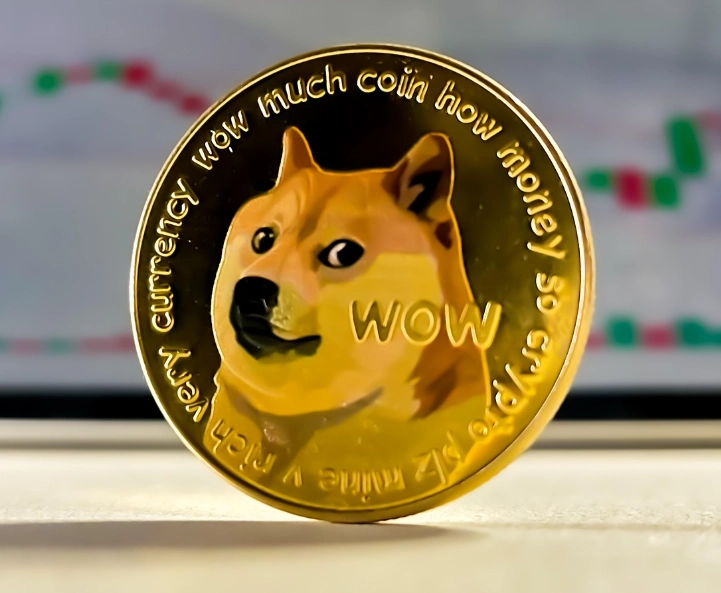
This mix-up is actually pretty common. People hear about the price going up and down, they see headlines, and they naturally think of it like a stock. The reality is more interesting, and in some ways, more risky. Investing in Dogecoin is a whole different ball game compared to buying Apple or Tesla stock. The rules are different, the risks are different, and the reasons people buy it are often different too.
Key Takeaway: "Doge stock" is a popular misnomer. Dogecoin (DOGE) is a decentralized cryptocurrency, not a company stock. It trades on crypto exchanges, not traditional stock markets. Understanding this difference is the first, crucial step.
So, What Exactly Is Dogecoin?
Dogecoin was created in 2013 by software engineers Billy Markus and Jackson Palmer. They literally made it as a joke, to poke fun at the wild speculation happening in the crypto world. The logo is the Shiba Inu dog from the "Doge" meme. It was supposed to be fun and lighthearted. Nobody, and I mean nobody, expected it to become a serious financial asset. But that's exactly what happened. It's built on a technology derived from Litecoin, which itself comes from Bitcoin. It uses a "proof-of-work" system to secure its network, but it's designed to be faster and have much lower transaction fees than Bitcoin.
One of the biggest things that sets it apart is its supply. Unlike Bitcoin, which has a hard cap of 21 million coins, Dogecoin has an infinite supply. New coins are created constantly through mining. This means it's inherently inflationary. Some economists argue this makes it better suited to be a currency for spending, rather than a pure store of value like Bitcoin (which is deflationary). But for investors, that infinite supply is a double-edged sword. It can put a constant, subtle downward pressure on the price over the very long term, all else being equal.
The community around Dogecoin is legendary. It's known for being charitable, friendly, and welcoming. They've funded Olympic athletes, sent the Jamaican bobsled team to the Olympics, and built water wells in Kenya. This "meme magic" and community spirit are intangible assets that have real value. You can't quantify it on a balance sheet, but it's a huge part of why DOGE has survived and thrived.
How to Actually Buy Dogecoin (The Step-by-Step Guide)
You can't buy it from your regular brokerage like Fidelity or Vanguard. You need to use a cryptocurrency exchange. This process intimidated me at first, but it's actually pretty straightforward once you do it once.
Step 1: Choose a Reputable Cryptocurrency Exchange
This is the most important decision. You want a platform that is secure, easy to use, and available in your country. For beginners in the US, Coinbase is often the go-to because its interface is very user-friendly. Binance is the global giant with the most trading volume, but its regulatory situation in the US is separate (Binance.US is the compliant version). Kraken is another fantastic, long-standing option known for strong security. Do your own research here. Read reviews, check their fee structures, and see which one feels right for you.
Security First: Before you even think about buying Dogecoin, enable Two-Factor Authentication (2FA) on your exchange account. Use an app like Google Authenticator or Authy, not SMS if you can avoid it. This is non-negotiable.
Step 2: Create Your Account and Get Verified
You'll need to provide your email, create a strong password, and go through a "Know Your Customer" (KYC) process. This means uploading a photo of your driver's license or passport. It feels intrusive, but it's a legal requirement for regulated exchanges and helps prevent fraud. This verification can take anywhere from a few minutes to a couple of days.
Step 3: Deposit Funds
Most exchanges let you deposit US dollars via a bank transfer (ACH) or wire transfer. Some allow debit/credit card purchases, but these usually come with much higher fees. Linking your bank account is the cheapest way. Be patient; an ACH transfer can take 3-5 business days to clear.
Step 4: Place Your Order for DOGE
Once your funds are available, navigate to the trading section. Find the DOGE/USD or DOGE/USDT trading pair. You can place a simple "market" order to buy at the current best available price, or a "limit" order where you set the price you're willing to pay. For your first buy, a market order is fine if you just want to get in. Type in the amount of money you want to spend, review the fees (they should be clearly shown), and confirm the trade.
And just like that, you own Dogecoin.
Step 5: Store Your Dogecoin Safely (This is CRUCIAL)
Leaving your coins on the exchange is convenient, but it's riskier. The saying in crypto is, "Not your keys, not your coins." If the exchange gets hacked or goes bankrupt, you could lose everything. For any significant amount, you should move your DOGE to a personal wallet.
- Software Wallet: An app on your phone or computer. Exodus and Trust Wallet are popular multi-coin options that support Dogecoin. They're free and easy, but your security is only as good as your device's security.
- Hardware Wallet: The gold standard for security. A physical device like a Ledger or Trezor that stores your private keys offline. You connect it to your computer only when you need to make a transaction. It costs money ($70-$200), but for holding thousands of dollars worth of crypto, it's worth every penny. I finally bought a Ledger after leaving coins on an exchange for a year, and I sleep much better now.
The Major Drivers of Dogecoin's Price: It's Not Just Hype
If you look at a chart of Dogecoin's price, it looks like a rollercoaster designed by a madman. What causes these insane swings? It's a mix of factors, some unique to the crypto world.
Elon Musk's Tweets: This is the elephant in the room. Elon Musk, CEO of Tesla and SpaceX, has an enormous influence on the price of Dogecoin. A single tweet from him calling it "the people's crypto" or making a doge meme can send the price soaring 20%, 50%, or even more in hours. Conversely, when he called it a "hustle" on Saturday Night Live, the price crashed. This level of dependency on one person's social media activity is unprecedented and, frankly, terrifying from an investment standpoint. It introduces massive volatility that is completely detached from any fundamental metric.
Broader Crypto Market Sentiment: Dogecoin rarely moves in a vacuum. When Bitcoin and Ethereum are in a bull market (prices rising), "altcoins" like DOGE tend to ride the wave up, often with even more exaggerated gains. When the crypto market crashes, DOGE crashes harder. It's a high-beta version of the crypto market. You need to keep an eye on what Bitcoin is doing.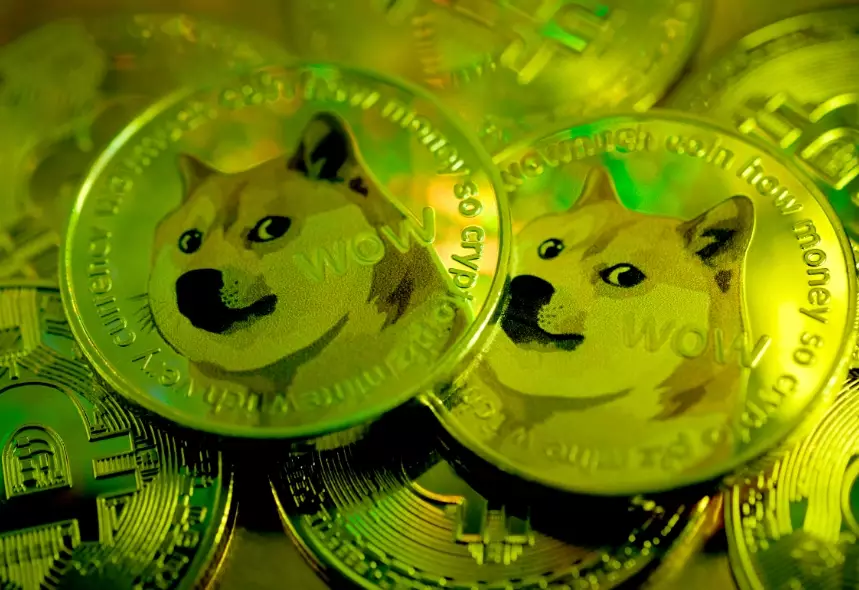
Retail Investor Mania & Social Media: Platforms like Reddit (especially r/dogecoin and, historically, r/wallstreetbets), Twitter, and TikTok can create powerful, self-reinforcing buying frenzies. The "Doge to $1!" movement is a perfect example. This pure, crowd-sourced momentum can be a powerful force, but it can evaporate just as quickly when attention shifts elsewhere.
Adoption and Utility News: Real-world use cases are becoming more important. When a major company like AMC Theatres announces it will accept Dogecoin for payments, that's a tangible boost. Rumors of integration into a platform like X (formerly Twitter) for payments can also cause massive speculation. The more places you can actually spend DOGE, the more fundamental value it might develop beyond pure speculation.
"The volatility of Dogecoin isn't a bug; it's the main feature for many traders. But for long-term holders, it's the biggest source of anxiety."
A Realistic Look at the Risks (This is the Unfun Part)
Everyone loves talking about the moonshot potential. Fewer people sit down and seriously consider what can go wrong. If you're thinking about putting money into Dogecoin, you have to stare these risks in the face.
Extreme Volatility: This isn't your grandma's blue-chip stock. It's normal for Dogecoin to swing 10-20% in a single day. You can watch a significant portion of your investment vanish before lunch. Can you handle that psychologically? I've seen my portfolio dip 30% in a week, and it's not a pleasant feeling. You have to be prepared to lose a substantial amount, if not all, of what you put in.
Lack of Fundamental Underlying Value: What is Dogecoin actually worth? Unlike a stock, where you can analyze company profits, assets, and growth projections, valuing Dogecoin is incredibly subjective. Its value is derived almost entirely from what the next person is willing to pay for it. This makes it highly susceptible to bubbles and crashes.
Regulatory Risk: Governments around the world are still figuring out how to deal with cryptocurrencies. A crackdown or harsh new regulations in a major market like the US or EU could negatively impact the price of all cryptos, especially ones perceived as more speculative like Dogecoin. The U.S. Securities and Exchange Commission (SEC) has been particularly active.
The "Infinite Supply" Problem: As mentioned, new Dogecoins are created every minute. About 5 billion new DOGE enter circulation each year. This steady inflation dilutes the holdings of existing owners unless demand grows even faster. It's a constant headwind against long-term price appreciation, all else being equal.
Competition: The crypto space is brutally competitive. Thousands of other coins and tokens are vying for attention, developer talent, and investment. Dogecoin's technology is relatively simple. Newer, more advanced blockchains could make it seem outdated.
Dogecoin vs. Traditional Stocks: A Side-by-Side Look
To really drive home the difference between "doge stock" and an actual stock, let's put them in a table. This makes the contrasts crystal clear.
| Feature | Dogecoin (The "Doge Stock") | Traditional Stock (e.g., Apple) |
|---|---|---|
| What You Own | A unit of a decentralized digital currency on a blockchain network. | A fractional share of ownership in a real, profit-generating company. |
| Underlying Value Driver | Primarily supply/demand, speculation, social sentiment, and memes. | Company earnings, assets, growth prospects, and dividends. |
| Regulation | Largely unregulated or lightly regulated space; rules are evolving. | Heavily regulated by bodies like the SEC; strict reporting requirements. |
| Trading Hours | 24/7/365. The market never closes. | Typically 9:30 AM - 4:00 PM ET, weekdays only. |
| Volatility | Extremely high. Double-digit daily % swings are common. | Generally lower. A 5% move is considered a significant day. |
| Storage | You are responsible. Requires digital wallets (software/hardware). | Held by your broker. You get an account statement. |
| Long-Term Thesis | Becoming a widely used currency for transactions and/or a lasting cultural store of value. | The company will grow profits and return value to shareholders over time. |
Looking at this, it should be obvious that calling it a "stock" does a disservice to understanding what it really is. The investment mindset for each is completely different.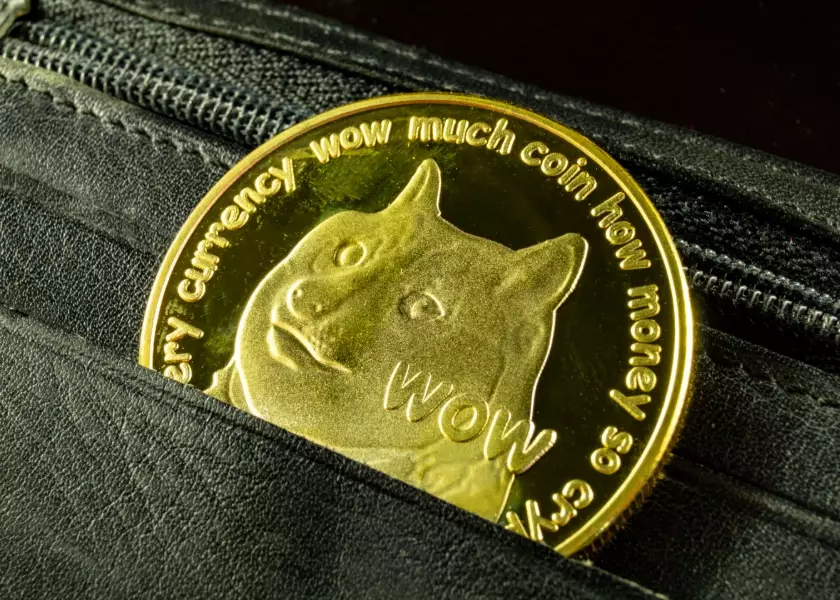
Common Questions About Dogecoin (Your FAQ Answered)
I get a lot of the same questions from friends and readers. Here are the honest answers, based on everything we've covered and my own experience in this space.
Mathematically, yes, it's possible. At $1, Dogecoin's market capitalization (price per coin x total coins in supply) would be around $140 billion. That's huge, but not impossible in a massive crypto bull market. $10 would put its market cap near $1.4 trillion, which would be larger than the current total market cap of all cryptocurrencies combined. That seems fantastical and would require a paradigm shift we can't currently foresee. The infinite supply is the main obstacle to these ultra-high prices.
This is the million-dollar question, and my personal opinion is mixed. As a long-term, set-it-and-forget-it investment like an S&P 500 index fund? Absolutely not. The risks are too high and the fundamentals are too shaky. However, as a small, speculative portion of a diversified portfolio for someone who understands the risks and believes in the long-term power of its brand and community? It could have a place. You have to go in with eyes wide open, expecting high drama and the possibility of total loss.
In the United States, the IRS treats cryptocurrencies as property, not currency. This means:
- You owe capital gains tax when you sell, trade, or spend your Dogecoin for a profit.
- If you hold it for over a year before selling, you pay the lower long-term capital gains rate.
- If you hold for less than a year, it's taxed as short-term capital gains (at your ordinary income tax rate).
- You are responsible for tracking every single transaction (buy, sell, trade) and reporting it on your taxes. Exchanges like Coinbase provide tax documents, but the onus is on you. Use a crypto tax software like Koinly or CoinTracker if you have more than a few transactions.
This is not financial advice—please consult a tax professional!
If you're determined to get involved, here's a conservative approach I wish I had followed earlier:
- Start Small: Use only money you are 100% prepared to lose. This is play money, not rent money.
- Dollar-Cost Average (DCA): Instead of trying to time the market with one big buy, set up a plan to buy a small, fixed dollar amount every week or month. This smooths out volatility—you buy more when the doge stock price is low and less when it's high.
- Secure Your Coins: After buying, transfer your DOGE off the exchange to your own personal wallet, preferably a hardware wallet for any meaningful amount.
- Ignore the Noise: Mute the hype on social media. Price predictions are mostly guesses. Focus on the long-term story if you believe in it, or set clear profit-taking goals if you're trading.
Final Thoughts: Navigating the Meme Stock... Er, Meme Coin Universe
The world of "doge stock" is fascinating, chaotic, and full of opportunity and peril in equal measure. It represents a new kind of asset class, one born from internet culture and powered by community belief as much as by technology. Whether you see it as a serious investment or just a fun gamble is a personal decision.
My biggest piece of advice is this: do not get swept up in the mania. The stories of people turning a few hundred dollars into life-changing money are real, but they are the extreme outliers. For every one of those stories, there are thousands of people who bought at the peak of a hype cycle and watched their investment dwindle. The charts on sites like CoinMarketCap tell that story clearly.
Bottom Line: Approach Dogecoin with curiosity, a healthy dose of skepticism, and money you can afford to lose. Educate yourself continuously, starting with resources from places like the SEC's Office of Investor Education. Understand that you're not buying a stock; you're participating in a vast, global, and unpredictable social and economic experiment. And maybe, just maybe, have a little fun with it. After all, that's what the Doge was all about in the first place.
The conversation around Dogecoin is always evolving. New developments, new endorsements, new market cycles. The key is to stay informed, stay safe, and never stop learning. Good luck out there.
Reader Comments