Quick Guide
Let's cut through the noise. You've heard the name Ethereum, you've seen ETH ticker symbols flashing on screens, and maybe a friend won't stop talking about it. But when you sit down to actually figure it out, you're hit with a wall of jargon—smart contracts, gas fees, proof-of-stake. It feels like you need a computer science degree just to get started. I remember feeling exactly the same way. The truth is, understanding Ethereum is less about memorizing tech specs and more about grasping a simple, powerful idea: it's a global computer that no single person owns.
Think about the apps on your phone. Instagram, your banking app, Uber. They all run on computers owned and controlled by companies. Ethereum flips that script. It's a shared, neutral platform where the rules are written in code and enforced by a vast, decentralized network. That's the core of it. The native currency of this system is called Ether, or ETH. You need ETH to pay for things on this network, like fuel for a car. So when people talk about "buying Ethereum," they usually mean buying ETH tokens.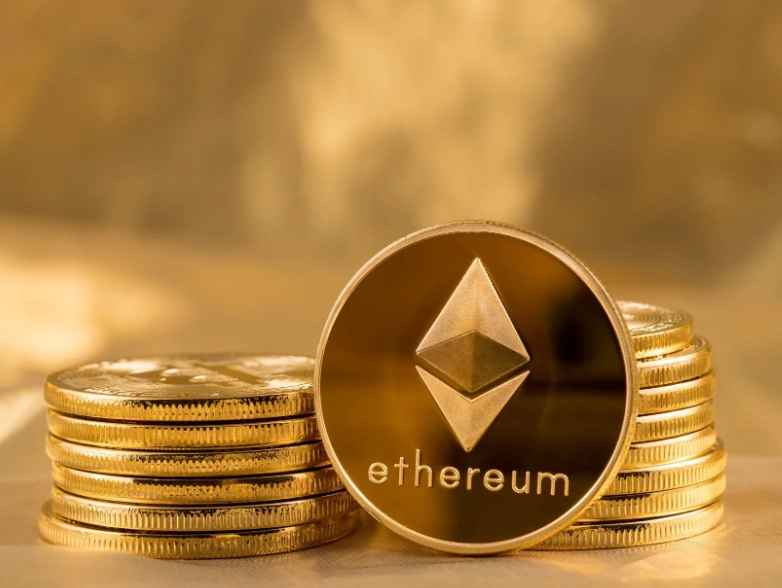
So, What Exactly is Ethereum? Breaking Down the Jargon
At its heart, Ethereum is a decentralized, open-source blockchain system. Let's unpack that mouthful. Decentralized means it's not run from a headquarters in Silicon Valley. It's maintained by thousands of computers (called "nodes") all over the world. Open-source means its code is public for anyone to inspect, which builds trust. Blockchain is the digital ledger that records every transaction and piece of data in a secure, unchangeable chain of blocks.
But here's where Ethereum stands out. While Bitcoin's blockchain is primarily a ledger for financial transactions, Ethereum's blockchain is designed to be programmable. It can execute complex agreements automatically when conditions are met. These are called smart contracts.
Imagine a vending machine. You put in $2, press B4, and out comes a soda. The machine automatically executes the trade without a cashier. A smart contract is a digital vending machine. It holds assets (like cryptocurrency or digital items) and releases them according to pre-written rules. This is the engine for everything built on Ethereum, from new financial apps (DeFi) to digital art markets (NFTs).
The official Ethereum.org website is the best place to start for the most accurate, up-to-date technical explanation straight from the source. They frame it as "the community-run technology powering the cryptocurrency ether (ETH) and thousands of decentralized applications."
Ether (ETH) vs. Ethereum: What's the Difference?
This trips up a lot of people, so let's be clear. It's the difference between a highway and the toll currency.
- Ethereum is the entire network, the protocol, the platform. It's the system of roads, rules, and infrastructure.
- Ether (ETH) is the native cryptocurrency of that network. It's the fuel you pay to use the roads. You pay ETH to run smart contracts, send transactions, or interact with apps.
When you "invest in Ethereum," you are technically buying and holding ETH tokens, betting on the value and utility of the entire Ethereum platform growing.
How Do You Actually Get and Use ETH?
This is where theory meets practice. Getting your first ETH can feel like a big step, but the process is pretty straightforward these days.
Where to Buy Ethereum (ETH)
You can't buy it at your local bank (yet). You need to use a cryptocurrency exchange. Think of it like a stock brokerage app, but for crypto. There are two main types:
| Exchange Type | How It Works | Good For | Popular Examples |
|---|---|---|---|
| Centralized Exchange (CEX) | A company runs the platform. You create an account, verify your identity, deposit money (USD, EUR, etc.), and trade. | Beginners. It's familiar, offers customer support, and often has simpler interfaces. | Coinbase, Kraken, Binance |
| Decentralized Exchange (DEX) | No company in charge. You connect your personal crypto wallet and trade directly with others via smart contracts. | More experienced users who value privacy and want full control of their funds at all times. | Uniswap, SushiSwap (These often run on the Ethereum network!) |
My personal take? Start with a reputable CEX like Coinbase or Kraken if you're new. The "not your keys, not your crypto" crowd has a point about security, but the learning curve is steeper with a DEX. Get comfortable first.
Where to Store Your ETH Safely: Wallets 101
Once you buy ETH on an exchange, it's technically held by the exchange in their massive wallet. To truly "own" it, you should move it to a wallet you control. This is non-negotiable for security if you're holding a meaningful amount.
- Hot Wallets (Software): Apps on your phone or computer. Convenient for frequent use, but connected to the internet (hence "hot"). Examples: MetaMask (a browser extension), Trust Wallet, Coinbase Wallet.
- Cold Wallets (Hardware): Physical devices like a USB stick (e.g., Ledger, Trezor). They store your private keys offline, making them immune to online hacks. This is the gold standard for security for long-term storage.
The rule of thumb? Use a hot wallet for small, spending amounts (like keeping cash in your pocket). Use a cold wallet for your main savings (like a bank vault). I learned this the hard way after leaving a small amount on an exchange that later got... complicated. Not worth the anxiety.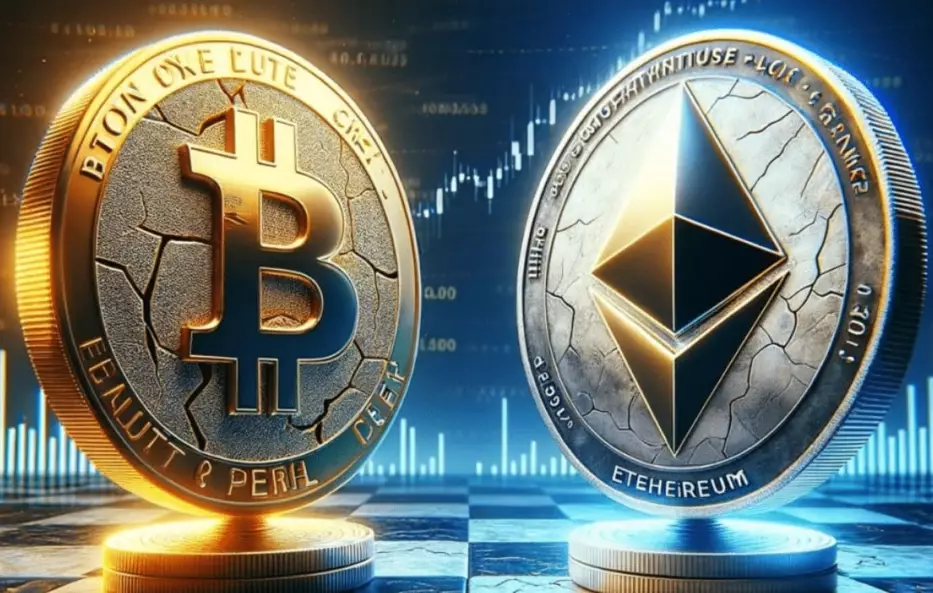
The Elephant in the Room: Ethereum 2.0 and "The Merge"
You can't talk about ETH today without mentioning "The Merge." For years, the biggest critique of Ethereum was its scalability and environmental impact. The old system (Proof-of-Work, like Bitcoin) used massive amounts of energy. The upgrade to Ethereum 2.0 (a term less used now) switched the network to Proof-of-Stake (PoS).
This wasn't just a tune-up; it was a complete engine swap while the car was speeding down the highway. And it worked. According to the Cambridge Bitcoin Electricity Consumption Index, Ethereum's energy consumption dropped by over 99.9% overnight. That's a game-changer for its public perception and long-term viability.
But did it solve the high gas fee problem? Not really. That's the next big challenge. The Merge set the stage for future upgrades—like "sharding"—designed to bring costs down. So, lower fees are on the roadmap, but they're not here yet. It's important to be honest about that.
Thinking About ETH as an Investment? Let's Be Real.
Is ETH a good investment? I can't tell you that. Nobody can. But I can tell you what factors people who buy ETH are betting on.
The Bull Case: Proponents see Ethereum as the foundational settlement layer for the new internet (Web3). They believe decentralized finance (DeFi), NFTs, decentralized autonomous organizations (DAOs), and applications we haven't even imagined yet will be built here, creating relentless demand for ETH to pay for transactions. It's a bet on utility driving value.
The Risks and Bear Case: It's not all sunshine. The competition is fierce. Chains like Solana, Cardano, and Avalanche promise faster speeds and lower fees. Ethereum needs to successfully execute its scalability roadmap to stay ahead. Regulation is a huge unknown cloud hanging over the entire space. And, of course, the price is wildly volatile. You could see 30% swings in a week. It's not for the faint of heart or for money you can't afford to lose.
Personally, I view a small allocation to ETH not as a speculative gamble, but as a way to gain exposure to the development of decentralized computing. It's a high-risk, high-potential-reward asset class. Never invest more than you're prepared to lose completely.
Answers to the Questions You're Actually Searching For
It depends entirely on your belief in the adoption of its technology. If you think smart contracts and dApps will become a significant part of the global digital infrastructure, then ETH, as the dominant platform, could be well-positioned. But "long-term" in crypto is like dog years—things change fast. Continuous development and adoption are key.
This is a trickier question than for Bitcoin. Bitcoin has a hard cap of 21 million. Ethereum does not have a hard cap. The supply changes dynamically based on network activity and the new Proof-of-Stake issuance rules. Post-Merge, the net issuance is much lower, and periods of high network activity can even lead to more ETH being burned than created, making the supply deflationary. You can check the live, circulating supply on sites like CoinDesk.
Beyond hoping the price goes up? Plenty.
- Use DeFi Apps: Lend your ETH to earn interest, borrow against it, or provide liquidity in trading pools.
- Mint or Buy NFTs: Digital art, collectibles, music—most of this ecosystem is built on Ethereum.
- Participate in Governance: Some projects let you use staked ETH to vote on decisions.
- Pay for Services: Some online services, developers, and even physical stores accept ETH.
See? It's more than just a number in an app.
The Bottom Line on Ethereum and ETH
Ethereum is an ambitious attempt to rebuild the plumbing of the internet with transparency and user control at its core. ETH is the lifeblood of that system. It's complex, it's messy, it's sometimes frustratingly slow and expensive, and it's constantly evolving. It's not a sure thing.
But understanding it is no longer just for techies. It's becoming a fundamental piece of digital literacy. Whether you buy ETH or not, grasping what it represents—a shift towards programmable, user-owned digital infrastructure—is crucial. Start small, do your own research (DYOR is the mantra for a reason), and never stop learning. The landscape changes every single day.
Maybe the best way to learn is to get a tiny amount of ETH, send it to a MetaMask wallet, and swap a dollar's worth for another token on Uniswap just to see how it feels. You'll learn more in that ten-minute, nerve-wracking process than from reading ten articles. You'll understand the friction, the promise, and the weird excitement of it all. Just be ready for the gas fee notification to give you a little shock. Welcome to Ethereum.
Reader Comments