Let's cut to the chase. You're not here to read another fluffy article about "the potential of blockchain." You're here because you've felt that gut punch—watching a trade go -50% in an hour, getting liquidated on a futures position, or seeing a "stable" coin depeg. Maybe you've even been rugged. I have. In my first two years trading crypto, I lost more money to my own poor risk management than to any market downturn. That's the dirty secret no one talks about enough: your biggest enemy in crypto isn't volatility; it's your own lack of a plan.
Proper crypto risk management is the single skill that separates the tourists from the residents in this space. It's not about predicting the next 100x coin (good luck with that). It's about structuring your actions so that you can be wrong most of the time and still walk away with your capital intact. This guide is the practical, no-BS framework I wish I had when I started. We're moving past theory into the specific rules, numbers, and mental models you need to apply today.
What's Inside This Guide
Why Crypto Risk Management is Your #1 Priority
Think of the crypto market as a stormy ocean. You can be the best sailor (analyst) in the world, but if your boat (portfolio) has holes, you're going down. A 2023 report by Coinbase noted that a significant portion of new entrants cited "fear of losing money" as their top barrier to entry. That fear is rational. The market's inherent 24/7 nature, extreme volatility, and complex products like leverage and derivatives amplify losses at lightning speed.
Here's a perspective you won't hear often: risk management in crypto is less about preserving profits and more about preserving your ability to keep playing the game. If you lose 50% of your capital, you need a 100% return just to break even. That math gets brutal quickly. The goal isn't to never lose; it's to ensure no single loss, no single hack, no single failed project can knock you out permanently.
How to Build Your Crypto Risk Management Framework
This is the actionable core. A framework isn't a vague idea; it's a set of written rules you follow without exception. Let's build yours piece by piece.
Position Sizing: Your First Line of Defense
This is the most important concept, and most people get it wrong. They throw 20% of their portfolio into a random altcoin because they have a "feeling." Disaster recipe.
The 1-2% Rule: For any single, speculative trade, risk no more than 1-2% of your total trading capital. Notice I said "risk," not "invest." If you put $1,000 into a trade with a stop-loss set at -20%, your risk is $200. If your total capital is $10,000, that's a 2% risk. This means you can be wrong ten times in a row and only be down 20%. You live to fight another day.
For core, long-term holdings (like Bitcoin or Ethereum you plan to hold for years), you can allocate more, but even then, I'm wary of any single asset being more than 20-25% of a portfolio. Diversification isn't dead in crypto; it just looks different.
Stop-Losses & Take-Profit Levels: Automate Your Discipline
You will not manually sell at the right time when fear or greed is pumping through your veins. You just won't. Set these orders the moment you enter a trade.
- Stop-Loss (SL): Place it at a logical technical level (below support) or at a percentage loss that aligns with your position sizing rule. Not a random number. If the trade thesis is broken, you're out. No questions.
- Take-Profit (TP): Have at least one target. A common method is a Risk/Reward (R/R) ratio of 1:2 or 1:3. If you risk 1% ($100), aim for a profit of 2% or 3% ($200 or $300). You can scale out—sell half at TP1, move your SL to breakeven, and let the rest run.
Portfolio Diversification & Correlation
"I'm diversified, I have 10 different altcoins!" Yeah, but if Bitcoin sneezes, they all catch a cold. In crypto, most assets are highly correlated with BTC in a downturn. True diversification means allocating across different risk profiles: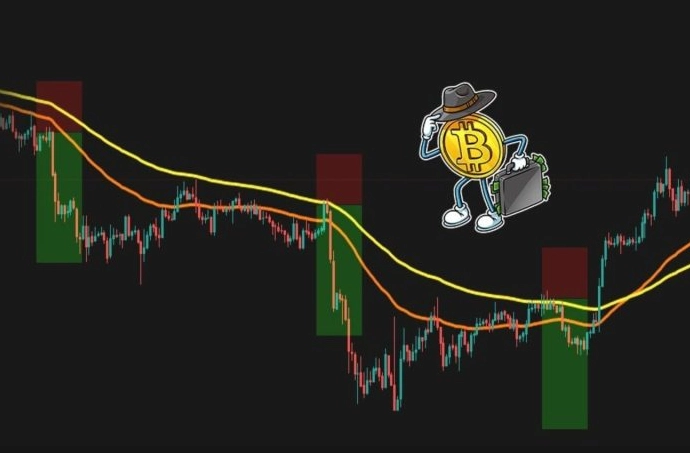
| Asset Type | Example | Suggested % of Portfolio | Risk Profile |
|---|---|---|---|
| Core Reserve | BTC, ETH | 40-60% | Lower (for crypto) |
| Large-Cap Alts | SOL, AVAX | 20-30% | Medium |
| Speculative Plays | Micro-cap, new DeFi protocols | 10-20% | Very High |
| Stablecoins / Cash | USDC (on reputable chains) | 5-15% | Low (counterparty risk) |
That cash buffer is crucial. It's your dry powder for buying dips without having to sell other assets at a loss. It also lets you sleep at night.
Beyond the Basics: Advanced Pitfalls in DeFi & CeFi
The rules above apply to simple buying and holding. But crypto's real danger zones are in leveraged trading and decentralized finance. Here's where you need extra layers.
Managing Risk with Leverage (Futures & Margin)
Using 10x leverage means a 10% move against you wipes out your entire position. My hard rule? If you're new, avoid it. If you insist:
- Use lower leverage. 3-5x is plenty aggressive. The pros I know use 2-3x max on most trades.
- Size down dramatically. If you normally risk 2% on a spot trade, risk 0.5% or 1% on a leveraged trade.
- Understand funding rates. In perpetual futures, you pay or receive a fee every few hours. In a strong bull trend, longing can get expensive.
- Never, ever use max leverage. That's not a tool; it's a suicide button.
DeFi-Specific Risks: Beyond Market Price
You can do everything right and still get wrecked in DeFi. Your risk checklist must include:
- Smart Contract Risk: Has the protocol been audited by a firm like Trail of Bits or OpenZeppelin? Has it been around through a bear market? Unexplored code is a landmine.
- Oracle Risk: If a lending protocol uses a faulty price feed, you can be liquidated even if the broader market is stable.
- Governance & Centralization Risk: Can a small group of insiders change the rules and drain the treasury? Look at token distribution.
- APY chasing: That 200% yield farm is almost certainly unsustainable. The high yield is often your principal being paid back to you in a depreciating farm token. I've been burned by this more than once.
The Real Battle: The Psychology of Risk
You can have the perfect plan on paper. Then the market moves, and you abandon it. Here's the mental game:
FOMO (Fear Of Missing Out): This makes you enter trades late, with oversized positions, and no plan. The cure? Have a watchlist and predefined entry levels. If you miss it, you miss it. There are always other opportunities.
Hope & Denial: The trade is -40%, but you turn your stop-loss off because "it'll come back." It usually doesn't. The rule is sacred.
Overconfidence after a win: You make 5x on a meme coin and suddenly think you're a genius. Next trade, you size up 5x and give it all back. This cycle is so common it's painful. Treat every trade as if your last one was a loss.
The trick is to systematize everything to remove emotion. Checklists, pre-set orders, and a trading journal where you review not just your wins, but why you broke your own rules on losses.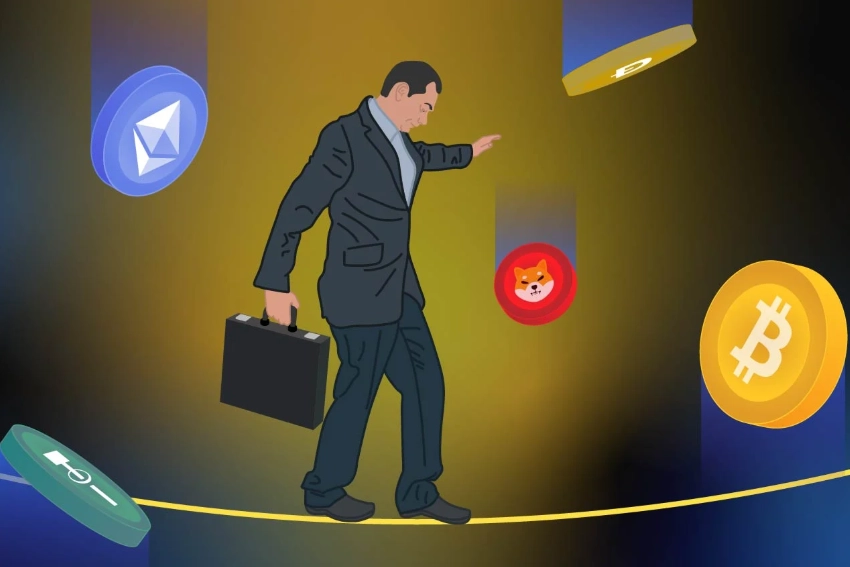
Your Burning Risk Management Questions Answered
I use leverage on futures exchanges. How do I adjust my risk management?
What's the single most overlooked risk in DeFi farming?
How do I manage risk in a bear market versus a bull market?
Is it safe to keep all my crypto on an exchange for trading?
My portfolio is down significantly. Should I sell and cut my losses or hold?
Reader Comments