Let's cut to the chase. If you're an American crypto trader asking "Is KuCoin no longer in the US?", the direct answer is yes, but with critical nuance. KuCoin, as a centralized exchange, is no longer legally accessible or operational for users residing in the United States. This isn't a temporary glitch or a voluntary geo-block. It's the result of decisive legal action by U.S. regulators that fundamentally changed the platform's status for Americans. The door didn't just close; it was bolted shut by a federal lawsuit. This guide isn't just about stating that fact. We'll dissect the legal timeline, explain what it means for your assets right now, and map out your practical, secure next steps with specific platform comparisons you won't find neatly summarized elsewhere.
What You'll Find in This Guide
The Legal Hammer: Why KuCoin Left the US
KuCoin didn't pack up and leave because it wanted to. The exit was forced. In March 2024, a one-two punch from U.S. regulators made continued operations untenable.
First, the U.S. Department of Justice (DOJ) unsealed an indictment charging KuCoin and its founders with willfully violating the Bank Secrecy Act. The core allegation? Operating an unlicensed money-transmitting business and failing to maintain an adequate Anti-Money Laundering (AML) program. Prosecutors claimed KuCoin purposely obscured the fact that a substantial portion of its user base was in the United States.
Almost simultaneously, the Commodity Futures Trading Commission (CFTC) filed a civil enforcement action. This complaint alleged KuCoin illegally offered leveraged commodity transactions (like futures and swaps) to US persons without registering with the CFTC. You can read the official press release from the CFTC detailing the charges.
The Core Issue: It wasn't just about selling unregistered securities (a common SEC charge). The DOJ's criminal charges focused on financial integrity—the lack of KYC (Know Your Customer) and AML controls. This is a more severe foundational accusation that scared off banking partners and made any compliant US operation impossible overnight.
Many articles miss this subtlety. They lump it in with other SEC crypto cases. The AML failure is the key that locked the door permanently. A platform can potentially negotiate a settlement over securities listings, but systemic failure to prevent money laundering is a non-starter for any regulated financial access.
A Timeline of the KuCoin US Exit
Understanding the sequence is crucial, especially if you're wondering about deadlines for your funds.
- Pre-2024: KuCoin operated under a "grey area" model for years. It had no official US entity but did not aggressively IP-block all US users. It relied on a user agreement that prohibited US users, but enforcement was reportedly lax.
- March 26, 2024: The day everything changed. The DOJ indictment and CFTC complaint are unsealed. News breaks globally.
- April 2024: KuCoin begins actively blocking IP addresses originating from the United States. Users trying to access the website or app from the US are met with geo-restriction messages.
- Post-April 2024 (Ongoing): The platform remains technically accessible only via VPN for existing users, but this violates their Terms of Service and is extremely risky (more on that later). Official communication from KuCoin urges US users to withdraw their assets promptly.
There was no "grace period" announced by regulators. The blocking started shortly after the legal actions as a direct response to them.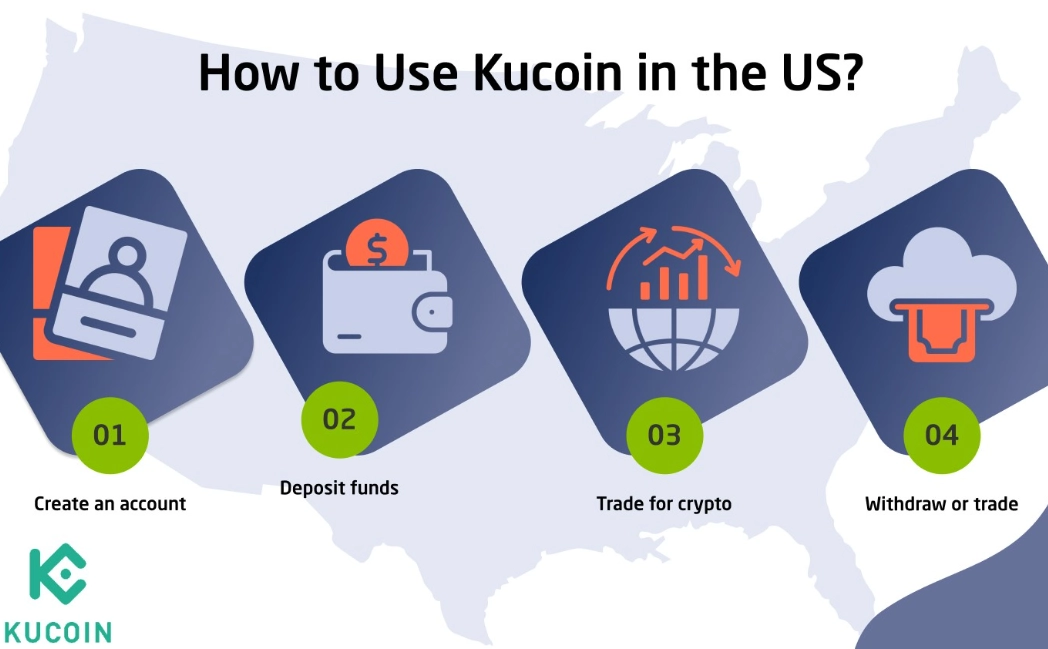
What This Means for US Users & Their Assets
So, your account still shows a balance. Can you get to it? The situation is tense but navigable.
Critical: KuCoin has not announced a total shutdown or seizure of US user assets. The consensus from industry observers and legal filings is that the platform is required to allow US users to withdraw their funds. However, this window is not guaranteed to last forever. Treat withdrawing your assets as an urgent priority.
Here’s the breakdown of impacts:
- Access: Direct access via US IP is blocked. You likely see a message stating services are not offered in your region.
- Account Status: Your account is likely still active but flagged. You cannot deposit, trade, or use most platform functions from a US IP.
- Withdrawals: This is the primary and, for now, available function for US users. You need to use a VPN (connecting to a server in Canada, Europe, etc.) to log in and initiate withdrawals to your personal wallet or another exchange.
- Tax Implications: Withdrawing is a taxable event if you are moving crypto to a self-custody wallet? No. Selling for fiat or trading is. Simply moving your own Bitcoin from KuCoin to Coinbase or a Ledger is not a taxable event in the US. However, converting it to cash later is. Keep detailed records of your withdrawal transactions (date, amount, wallet address).
A mistake I see people make is delaying because they're waiting for an "official notice" from KuCoin with a deadline. Don't wait. The legal pressure is the notice. Proceed with withdrawal now.
Top KuCoin Alternatives for US Traders in 2024
KuCoin was popular for its vast altcoin selection and low fees. Finding a US-legal replacement means balancing coin variety, cost, and regulatory compliance. Here’s a no-nonsense comparison based on hands-on use and current offerings.
| Platform | Best For | Key Advantage Over KuCoin | Potential Drawback |
|---|---|---|---|
| Coinbase | Beginners & Security | Unmatched regulatory clarity, user insurance, publicly traded company. | Higher fees, smaller altcoin selection than KuCoin's heyday. |
| Kraken | Intermediate Traders & Fees | Strong security reputation, lower fees than Coinbase, good staking options. | Interface can be less intuitive for absolute beginners. |
| Coinbase Advanced Trade | Ex-KuCoin Spot Traders | Access to a wider range of altcoins than standard Coinbase, lower maker-taker fees. | Still within the Coinbase ecosystem (pros and cons apply). |
| Gemini | Security-First Users | Strong regulatory stance, insured hot wallets, simple active trader platform. | Limited selection of very speculative altcoins. |
| Bybit (with KYC) | Futures & Derivatives Focus | Massive futures/perps market, copy trading. Now offers KYC for US users in limited form. | US access is through a separate, licensed entity with a restricted asset list. Not for spot altcoin hunting. |
My personal take after using most of these? If you loved KuCoin for obscure altcoins, you'll feel the pinch. Coinbase Advanced Trade is surprisingly robust and is quietly adding more assets. For a balance of cost and variety, Kraken remains a powerhouse. Don't sleep on Crypto.com either for a mobile-first experience with a decent token spread, though their fee structure has critics.
The landscape is shifting. Platforms like Bitget and HTX are also completely off-limits to US users. The era of accessing every global exchange from the US is over. Compliance is the new gatekeeper.
Step-by-Step Guide to Securely Withdraw from KuCoin
This is the actionable part. Follow these steps carefully.
1. Preparation: Get Your Tools Ready
You'll need three things:
A reputable VPN service (like NordVPN or ExpressVPN). Connect to a server in a permitted country like the UK, Canada, or Germany.
Your KuCoin login credentials and 2FA device.
A destination wallet address. This is either your own non-custodial wallet (e.g., MetaMask, Ledger, Trust Wallet) or a deposit address from your new, compliant exchange (e.g., your Coinbase Bitcoin address).
2. The Withdrawal Process
Connect your VPN. Log into KuCoin. You may get a warning about your IP region; proceed if it allows you.
Navigate to Assets > Main Account.
Find the asset you want to withdraw and click Withdraw.
Here's a critical safety check: Always do a TEST TRANSACTION first. Send a small, minimal amount (e.g., $10 worth) to your destination address. Confirm it arrives correctly. This verifies the address and avoids catastrophic errors.
Once confirmed, withdraw the remainder. Be mindful of network fees, which KuCoin will deduct.
3. What to Do With Stablecoins or Illiquid Altcoins
This is a common headache. You hold a USDT balance or some obscure altcoin not listed on your new US exchange.
For USDT/USDC: Withdraw it on a low-fee network (like Tron TRC-20 or Solana if supported by your destination). Send it to your new exchange and convert to fiat or another crypto.
For illiquid altcoins: You may need to convert them within KuCoin to a more liquid asset (like BTC, ETH, or USDT) before withdrawing. Use the trading interface (spot trade) while connected via VPN. Then withdraw the liquid asset.
VPN Risk Disclaimer: Using a VPN violates KuCoin's Terms of Service. The platform could theoretically suspend your account during this process, though the widespread reporting suggests they are currently permitting withdrawals. The risk is non-zero. Speed is your friend. Get in, get your assets out, and be done.
Your Burning Questions Answered
My funds are still on KuCoin. Are they going to be seized by the government?
There is no indication from the DOJ or CFTC complaints that they are seeking to seize individual user assets. The actions are against the exchange entity itself. The expectation in such cases is that the platform facilitates withdrawals. However, the longer you wait, the higher the operational risk becomes. Seizure is unlikely, but getting locked out due to further platform restrictions is a real possibility.
Is it safe to use a VPN to access KuCoin and trade, not just withdraw?
Absolutely not. This is a terrible idea for two major reasons. First, it's a direct violation of KuCoin's ToS, and they could freeze your account entirely, potentially mid-trade. Second, and more importantly, you would be trading on a platform that is under active U.S. criminal indictment. You have zero legal recourse or protection if something goes wrong—a hack, a withdrawal freeze, an internal error. The goal is to remove your exposure, not double down on it.
 I heard KuCoin might come back to the US with a licensed version. Should I wait?
Don't hold your breath. The severity of the DOJ's criminal charges (AML failures) makes any near-term, licensed re-entry into the US market a monumental legal and regulatory challenge. Even if they attempted it years from now, it would be an entirely separate entity with no guarantee your old account or assets would be transferred. Your financial security should not be based on corporate speculation.
What's the biggest mistake people make during this withdrawal process?
Sending assets to the wrong network address. If you withdraw your Ethereum-based USDT (ERC-20) to a Bitcoin address, your funds are gone forever. Or sending Polygon MATIC to an Ethereum address without using the Polygon bridge. The test transaction isn't a suggestion; it's a mandatory insurance step. Also, people forget to account for withdrawal fees and send amounts that leave "dust" (tiny, untradeable balances) behind. Calculate the fee first.
Are decentralized exchanges (DEXs) like Uniswap a good alternative for accessing tokens I used to find on KuCoin?
They can be, but it's a different skill set. DEXs give you access to a vast universe of tokens without KYC. However, you must take full responsibility for security (managing your private keys), navigating liquidity pools (which can mean high slippage on obscure coins), and conducting intense due diligence. Rug pulls and scams are rampant. For a former KuCoin user, a compliant CEX like Kraken or Coinbase Advanced is a safer first step. Use a DEX only after you're comfortable with self-custody and deep research.
 The question "Is KuCoin no longer in the US?" has a definitive legal answer: yes. For American traders, the path forward is about adaptation—securely exiting the platform and evaluating a new generation of compliant exchanges that balance innovation with the realities of U.S. regulation. The process is a hassle, but it's a necessary one for protecting your capital. The key is to act deliberately, not in panic, using the steps and comparisons outlined here as your roadmap.
Reader Comments