In This Guide
- What Exactly Is the BTC Kurs?
- The Big Levers: What Actually Moves the Bitcoin Price?
- How to Read the BTC Kurs: Beyond the Basic Chart
- Where Should You Check the BTC Kurs?
- Common BTC Kurs Questions (The Stuff People Really Search)
- A Realistic Approach to the BTC Kurs in Your Investment Strategy
- The Bottom Line on the BTC Kurs
Alright, let's talk about the BTC Kurs. If you've ever found yourself refreshing a price chart, watching those green and red candles flicker, and wondering what on earth is actually going on, you're in the right place. I've been there too. The first time I bought Bitcoin, I spent more time staring at the price than I did understanding what I'd bought. That's a common mistake.
This guide isn't about predicting the next move (nobody can do that reliably). It's about understanding the machine behind the number. Why does the Bitcoin price jump 10% on a Tuesday afternoon? Why does it sometimes seem to ignore huge news? We're going to peel back the layers, look at the real drivers, and cut through a lot of the noise you'll find online.
What Exactly Is the BTC Kurs?
Let's start simple. "Kurs" is the German word for exchange rate or price. So, the BTC Kurs is simply the current exchange rate of Bitcoin against another currency, like the US Dollar (BTC/USD) or the Euro (BTC/EUR). It's the price tag. But here's the thing—unlike the price of a can of soup, which is set by a company, Bitcoin's price emerges from a global, 24/7 marketplace with millions of participants. No single entity controls it. That's key.
The price you see on sites like CoinMarketCap or CoinGecko is usually a global average or the price from a major exchange like Coinbase. It's a consensus, albeit a messy and often volatile one.
I remember checking the BTC Kurs in 2017 and seeing it at $3,000. A friend said, "It's too high, I missed it." That same psychology plays out every day.
The Big Levers: What Actually Moves the Bitcoin Price?
People love complicated stories, but the drivers often boil down to a few core concepts. Let's rank them not by how often they're talked about, but by their actual, sustained impact.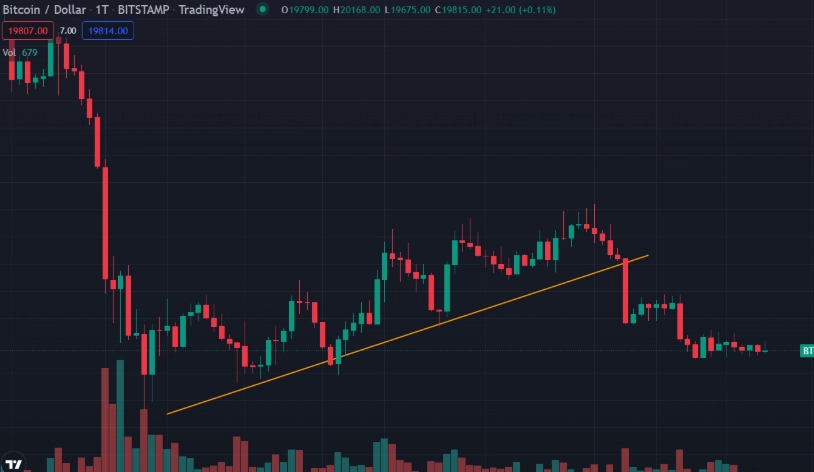
1. Macroeconomic Sentiment & Liquidity
This is the big one, especially post-2020. Bitcoin has, like it or not, become correlated with risk assets like the Nasdaq during times of stress. When the Federal Reserve hints at raising interest rates (you can read their official statements on the Fed's monetary policy page), money gets more expensive. Investors often flee risky assets first. The Bitcoin price can get hammered.
Conversely, when there's lots of cheap money sloshing around the system, some of it finds its way into crypto. It's not a perfect correlation, but ignoring macro is a surefire way to be confused by the BTC Kurs action.
Watch This: The US Dollar Index (DXY), bond yields, and statements from central banks like the European Central Bank. A strong dollar often pressures Bitcoin.
2. Adoption Cycles & Network Growth
Price follows adoption, but in a wildly nonlinear way. The Bitcoin kurs might stagnate for months while the number of active addresses or the hashrate (network security) quietly grows. Then, a tipping point is reached—a major company adds Bitcoin to its balance sheet, a country makes it legal tender—and the price re-rates. The Bitcoin whitepaper outlined a peer-to-peer electronic cash system; every new user or validator brings that vision closer and affects its value.
The 2021 bull run wasn't just speculation; it was fueled by institutional entry from the likes of MicroStrategy and Tesla. That was a fundamental shift in who was buying.
3. Supply Dynamics: The Halving
This is Bitcoin's built-in scarcity engine. Roughly every four years, the reward given to miners for securing the network is cut in half. This slows the rate of new Bitcoin entering the market. Economics 101: if demand stays the same or increases while the new supply rate drops, price should, in theory, rise.
The past halvings (2012, 2016, 2020) have been followed by significant bull markets, though with longer lag times each cycle. The next one is anticipated in 2024. It's a known event, but its psychological and economic impact is baked into every long-term BTC price analysis.
| Halving Year | Block Reward Before | Block Reward After | Approx. BTC Price 1 Year Later |
|---|---|---|---|
| 2012 | 50 BTC | 25 BTC | ~$1,000 |
| 2016 | 25 BTC | 12.5 BTC | ~$17,000 |
| 2020 | 12.5 BTC | 6.25 BTC | ~$69,000 |
Past performance is not indicative of future results. The market context for each halving was dramatically different.
4. Regulation & News Headlines
This is the short-term volatility fuel. News of a country banning crypto (even if unenforceable) can spook the market. Conversely, clear regulatory frameworks, like MiCA in the EU, can provide legitimacy and boost confidence. The key is to separate noise from signal. A senator tweeting fear is noise. A concrete legislative proposal is a signal.
My personal take? The market overreacts to negative regulatory news and under-appreciates positive, boring regulatory progress. The BTC Kurs often snaps back after kneejerk sell-offs on bad news.
A Word of Caution: Be very skeptical of "this news will make Bitcoin moon!" headlines. The market digests information quickly, and the initial reaction is often reversed.
5. Sentiment & The Fear & Greed Index
Never underestimate human emotion. When the Bitcoin price is soaring, greed takes over. People FOMO in at the top. When it's crashing, fear dominates, and people sell at the bottom. Tools like the Crypto Fear & Greed Index are useful contrarian indicators. Extreme fear can signal a buying opportunity (though not an immediate bottom), while extreme greed flags potential danger.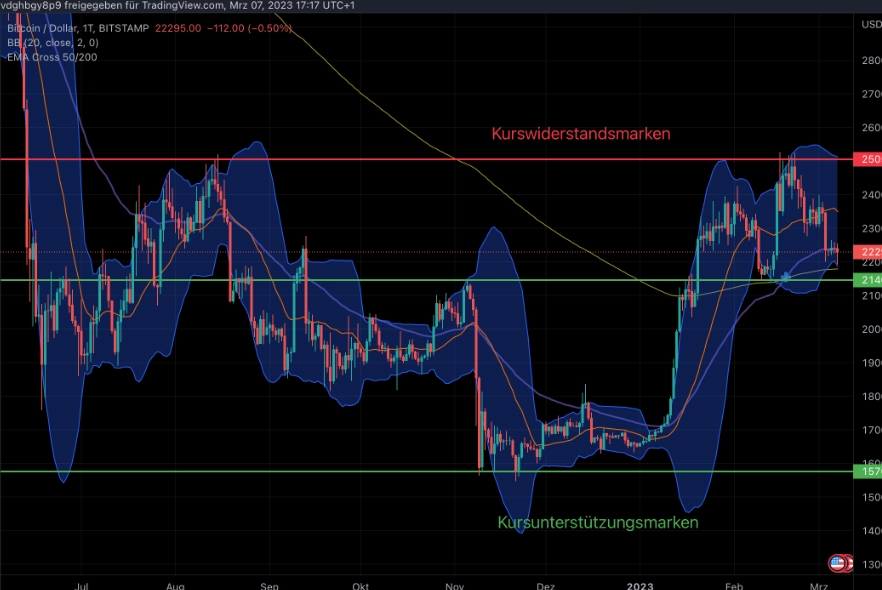
It feels counterintuitive to buy when everyone is panicking, but that's often where the long-term value is built.
How to Read the BTC Kurs: Beyond the Basic Chart
Looking at a simple line chart is like judging a book by its cover. To really understand the BTC Kurs action, you need to dig into different types of data.
On-Chain Data: The Truth in the Numbers
This is data recorded on the Bitcoin blockchain itself. It's transparent and hard to fake. Key metrics include:
- Network Value to Transaction (NVT) Ratio: Think of it as a "P/E ratio" for Bitcoin. A high NVT might mean the network is overvalued relative to its usage.
- MVRV Z-Score: This compares the market value to the realized value (the price at which each coin last moved). It helps identify when Bitcoin is significantly above or below its "fair value" based on historical cost basis.
- Exchange Net Flow: Are coins moving into exchanges (often to be sold) or out of exchanges (into cold storage, a holding signal)? A big inflow can precede selling pressure.
Websites like Glassnode and CryptoQuant are the go-to sources for this. It's a bit geeky, but it gives you a view of what large holders ("whales") are doing, not just what retail traders are feeling.
Trading Volume and Liquidity
A price move on high volume is more significant than one on low volume. It means real money is behind the move. Also, pay attention to where the volume is. Is the BTC Kurs moving because of massive derivatives trading on Binance Futures, or is it spot buying on Coinbase? The latter is generally healthier and more sustainable.
Low liquidity periods (like weekends) can lead to exaggerated, wippy price movements that don't mean much in the grand scheme.
Where Should You Check the BTC Kurs?
Not all price feeds are created equal. Some are better for a quick glance, others for deep research.
- CoinMarketCap / CoinGecko: The aggregators. They give you a global average price, market cap, and volume across hundreds of exchanges. Perfect for the big picture.
- TradingView: This is where the serious charting happens. The free version is incredibly powerful. You can draw lines, add indicators (RSI, MACD, moving averages), and analyze the BTC Kurs across different timeframes.
- Your Exchange's App: Be careful here. The price on your specific exchange might have a slight premium or discount to the global average, especially during volatile times. Don't panic if it's a few dollars different.
Common BTC Kurs Questions (The Stuff People Really Search)
It's a combination of factors: relatively small market size compared to gold or stocks, 24/7 global trading, high leverage in derivatives markets that can cause cascading liquidations, and the fact it's still a new asset class finding its footing. The volatility isn't a bug; for many traders, it's the feature. But for someone trying to use it as a stable store of value, it's the main problem. It will get less volatile as the market matures and gets bigger, but we're not there yet.
Technically, yes. If a critical bug is found in the Bitcoin protocol, if the entire global internet goes down permanently, or if everyone collectively decides it's worthless. Practically, the probability is now extremely low. The network has too much value, too much computational power securing it, and too many vested interests (governments, companies, millions of individuals) for it to just vanish. A slow, grinding irrelevance is more plausible than a sudden zero, in my view.
You don't. You ignore 99% of them. Treat price predictions, especially extreme ones ("$1 million by next year!", "$10,000 is the next stop!"), as entertainment. They are often made by people with a financial incentive to create hype or fear. Focus on understanding the underlying fundamentals we discussed instead of chasing predictions. I've found that the loudest forecasters are usually the least reliable.
Pro Tip: Follow analysts who focus on on-chain data and metrics rather than pure price prophecy. They're showing you the fuel in the tank, not just guessing the speed.
A Realistic Approach to the BTC Kurs in Your Investment Strategy
So, you want to actually interact with this volatile beast? Here's a grounded approach, learned from my own mistakes and successes.
Dollar-Cost Averaging (DCA): Your Best Friend
This is the single most effective way to navigate BTC Kurs volatility. You invest a fixed amount of money at regular intervals (e.g., $100 every week). Sometimes you buy high, sometimes you buy low, but you average out your cost over time. It removes emotion from the equation. You're not trying to time the market. You're just consistently buying a piece of the network. Set it up automatically and forget about the daily charts.
Have a Plan (And Stick to It)
Before you buy, ask yourself: Is this for a short-term trade or a long-term hold? What is my target? What is my maximum acceptable loss? Write it down. The moment the Bitcoin price starts gyrating is the worst time to make rational decisions. A plan acts as an anchor.
And for heaven's sake, only invest what you can truly afford to lose. The old adage is old for a reason.
The Self-Custody Option: If you're holding a significant amount, consider moving it off the exchange to your own private wallet (like a hardware wallet). "Not your keys, not your coins." This removes counterparty risk but adds the responsibility of securing your own seed phrase. The Bitcoin.org wallet guide is a non-commercial starting point.
Ignore the Noise, Watch the Signal
Mute the crypto influencers on Twitter who thrive on drama. Unsubscribe from Telegram channels that ping you every time the price moves 2%. Your mental health will thank you. Check the BTC Kurs once a day, or even once a week, not once a minute. Focus on the long-term trends and adoption metrics, not the 5-minute candle.
I used to have price alerts set for every 5% move. It was exhausting and led to terrible, reactive decisions. Turning them off was one of the best things I did.
The Bottom Line on the BTC Kurs
The BTC Kurs is a fascinating, complex, and often frustrating number. It's a reflection of a thousand different forces clashing in real-time. You'll drive yourself crazy trying to account for every single one.
The goal shouldn't be to become a master day-trader (most lose money). The goal should be to develop a robust understanding of the key drivers—macro, adoption, supply, sentiment—so you can contextualize the price movements you see. This allows you to move from a state of reactive confusion to one of informed, calm decision-making.
Use the tools: look at on-chain data, understand the halving cycle, pay attention to real regulatory developments. But most importantly, build a strategy that fits your risk tolerance and stick to it, regardless of whether the current Bitcoin price action makes you want to cheer or hide under your desk.
Because in the end, the BTC Kurs is just a number. The technology, the network, and the global shift it represents are the real story. Keep your eyes on that, and the daily price fluctuations start to look a lot smaller.
Reader Comments