In This Guide
Let's be real. You've probably seen the term "turbo crypto" buzzing around social media, maybe in a meme, a frantic Telegram group, or a YouTube thumbnail promising life-changing gains. Your first thought might be, "What on earth is this, and why is everyone suddenly talking about it?"
I was in the same spot a while back. Scrolling through my feed, I'd see these absurdly named tokens with cartoon animal logos shooting up thousands of percent, followed by the inevitable crash. The community around them wasn't talking about white papers or tech partnerships; they were building lore, making memes, and riding a wave of pure, unadulterated momentum. That's the essence of the turbo crypto world.
But here's the thing most articles won't tell you straight up: for every story of someone turning a few hundred bucks into a down payment, there are a hundred stories of people watching their investment vanish into the digital ether. I've spoken to folks who made a bundle and others who got burned. The difference often wasn't luck, but approach.
This guide isn't here to shill you the next moonshot or scare you away. My aim is to strip away the hype and give you a clear, honest look at what turbo crypto really means. We'll dig into how these things actually function, the undeniable appeal that draws people in, the massive red flags you absolutely cannot ignore, and a practical framework you can use to navigate this space without losing your shirt. Think of it as a sober handbook for an inherently chaotic market.
So, What Exactly Defines a "Turbo" Crypto?
You won't find "turbo" as a category on CoinMarketCap. It's more of a cultural and behavioral label that has stuck. When crypto natives use the term, they're pointing to a specific cluster of characteristics. It's less about the underlying code (though that matters) and more about the social and market dynamics surrounding the token.
The core idea is velocity—of price, of community growth, of narrative spread. A true turbo crypto project often feels like it's moving at internet speed, for better or worse.
Key Insight: The "turbo" phenomenon is heavily tied to the current memecoin cycle on networks like Solana and Base, where creating and launching a token is incredibly fast and cheap. This low barrier to entry is the fuel for the entire ecosystem.
Let's break down the common hallmarks. If a token checks most of these boxes, you're likely looking at a turbo crypto.
The Anatomy of a Turbo Token
Narrative Over Technology: The primary driver isn't a revolutionary consensus mechanism or a novel DeFi protocol. It's a story. This story could be based on a popular meme (a dog, a frog, a political figure), an internet in-joke, or a compelling underdog tale. The community buys the story first, the token second. The success of a project like turbo crypto often hinges entirely on how captivating and shareable its narrative is.
Hyper-Community Driven: Forget centralized development teams issuing quarterly reports. The community is the marketing team, the content creators, and often the main source of liquidity. Action happens on Telegram and Twitter (X), with a constant stream of memes, shills, and coordinated buying efforts. The feeling of being "in on the ground floor" of a movement is a powerful psychological draw.
Extreme Volatility as a Feature, Not a Bug: The wild price swings aren't seen as a risk to be managed but as the main attraction. This volatility creates the potential for rapid gains, which in turn fuels more attention and more volatility. It's a self-reinforcing cycle until it isn't.
Low Float & High Concentration: Many turbo tokens launch with a large percentage of the total supply held by the creators or a small group of early buyers. This creates a scenario where a few "whales" can dramatically impact the price by buying or selling. It's a major risk factor that every participant needs to understand.
The Liquidity Pool (LP) Dynamic: This is a crucial technical bit. When you buy a token on a decentralized exchange (DEX), you're swapping against a liquidity pool. For a new turbo token, the size of this pool is everything. A small pool means even modest buy or sell orders can cause huge price moves. Creators who "burn" their LP tokens (lock away the ability to remove the initial liquidity) are seen as more trustworthy, as it prevents a classic "rug pull" where they drain the pool and run. The U.S. Securities and Exchange Commission (SEC) has repeatedly warned investors about the risks in these unregulated crypto asset securities, highlighting fraud and manipulation as significant concerns, which are rampant in this niche.
Honestly, the tech behind many of these tokens is minimal. They're often standard ERC-20 or SPL tokens with a funny name and a website thrown up in a weekend. The magic—and the danger—is entirely in the social layer built on top of them.
Why Are People So Drawn to Turbo Crypto?
It's easy to dismiss this as pure gambling (and sometimes it is), but to understand the market, you need to understand the appeal. It's not just greed.
The Democratization of Speculation: For a lot of people, traditional finance feels closed off. Buying a fraction of a turbo token for $50 feels more accessible than analyzing stock charts or navigating options trading. It's a low-stakes entry ticket to the thrill of trading.
The Power of Community and Memes: Being part of a Telegram group that's collectively trying to push a token can be incredibly fun. It's gamified finance. The shared language, the inside jokes, the collective enemy ("the paper hands who sell")—it creates a powerful sense of belonging that traditional investing lacks.
The Lottery Ticket Mentality (And Its Problem): Let's not sugarcoat it. The dream of a 100x return is the engine here. People see the historical charts of Dogecoin or Shiba Inu and think, "What if I find the next one early?" This FOMO (Fear Of Missing Out) is the single most potent force in the turbo crypto space. I've felt it myself, that itchy feeling when you see a chart going vertical and you're not in it.
This is where it gets dangerous. For every Dogecoin, there are ten thousand tokens that go to zero and are forgotten. Chasing the lottery ticket often means ignoring every fundamental rule of risk management.
Speed and Excitement: Compared to the sometimes glacial pace of blue-chip crypto movements, the turbo world is a rollercoaster. Price updates come by the minute, not the month. For some personalities, this constant action is addictive.
But understanding the appeal is only half the battle. The other half is recognizing the minefield you're stepping into.
The Dark Side: Risks That Can Wipe You Out
If you remember nothing else from this guide, remember this section. The risks in turbo crypto investing are not just high; they are structural and often intentional. Going in blind is a recipe for loss.
The Golden Rule of Turbo: Never invest money you cannot afford to lose entirely. Consider it money spent on entertainment, like going to a casino. This mindset shift is non-negotiable.
Let's categorize the biggest threats. I've seen each of these play out multiple times.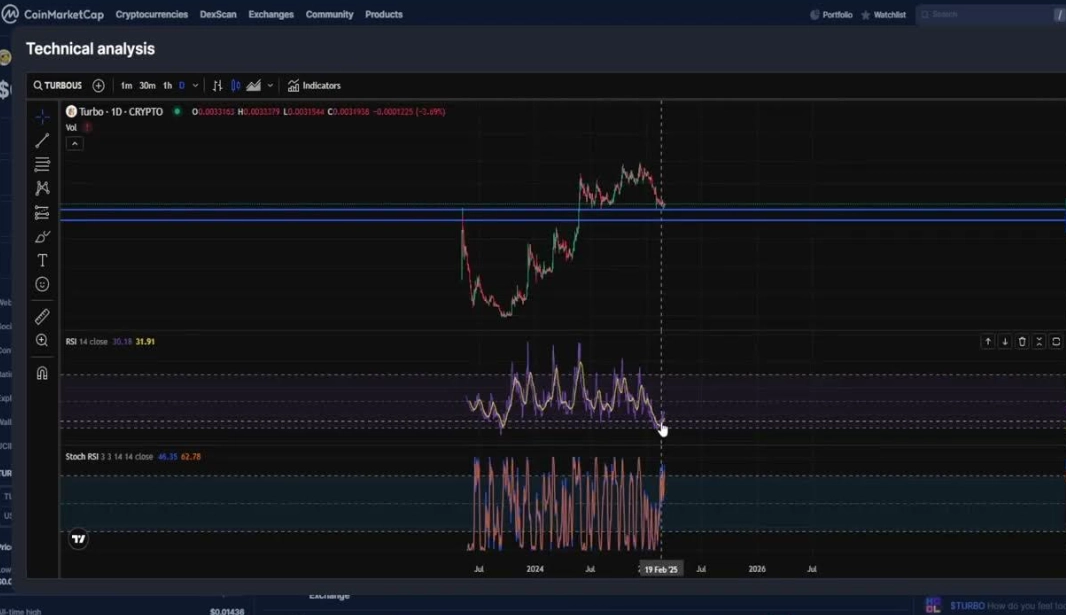
Category 1: Straight-Up Scams and Exploits
- The Rug Pull: The classic exit scam. Developers create a token, attract liquidity and buyers, then suddenly withdraw all the funds from the liquidity pool, leaving the token worthless. They vanish, often reopening under a new name days later. Tools like RugCheck or DexScreener's safety checks are essential to investigate LP locks.
- The Honey Pot: A smart contract is coded so you can buy the token, but you cannot sell it. You'll watch your investment grow on paper, but you'll be completely unable to cash out.
- The Pump and Dump: Coordinated groups buy a low-volume token en masse, pump the price with social media hype to lure in unsuspecting buyers, then all sell at the peak, crashing the price. Those who bought late are left holding the bag.
Category 2: Structural and Market Risks
- Whale Domination: As mentioned, if a few wallets hold a huge percentage of the supply, your fate is in their hands. A single sell order from a whale can crash the price 50% in seconds. You can check token distribution on block explorers like Etherscan (for Ethereum) or Solscan (for Solana).
- Illiquidity Traps: You might own a token that has 10x'd on paper, but if the liquidity pool is tiny, your attempt to sell a meaningful amount will cause so much price slippage that your actual profit is minimal or you crash the market yourself.
- Narrative Collapse: The entire value is based on a story or meme. What happens when the internet moves on to the next thing? The community dissipates, trading volume dries up, and the token becomes a ghost town. This is the most common end for turbo cryptos that aren't outright scams.
I once put a small amount into a token based on a clever viral thread. The community was electric for about 72 hours. Then, a bigger, shinier token launched, and our community's attention evaporated almost overnight. The chart didn't crash; it just… faded away. It was a cheap lesson in the fragility of narrative-based value.
A Practical Framework: How to Vet a Turbo Crypto Project
Okay, so you understand the appeal and the risks. You've decided to allocate a small, "for fun" portion of your portfolio to explore this space. How do you separate the potential gems from the almost-certain disasters? You need a checklist.
Don't just follow a influencer's call. Do your own research (DYOR). Here’s a step-by-step process I've developed and now follow religiously.
Pro Tip: Start by observing. Lurk in Telegram groups and watch Twitter threads for a few days before even considering buying. You'll learn the community's vibe and spot red flags in real-time.
Step 1: Investigate the Token's Technical Foundations
This is the due diligence part. It sounds boring, but it's your first line of defense.
Contract Audit & Ownership: Has the contract code been reviewed? Is the contract ownership renounced? Renounced ownership means the developers have given up control, making a malicious rug pull via code change impossible. This is a huge green flag. If ownership isn't renounced, it's an immediate red flag for me.
Liquidity Pool (LP) Status: This is non-negotiable. Is the LP locked? For how long? A lock for 6 months or more is standard for projects wanting to build trust. Is it burned? Even better. If the LP is unlocked or locked for only a few days, walk away. Use the links to RugCheck or DexScreener mentioned earlier.
Token Distribution: Use the block explorer. How concentrated are the top holders? If the top 10 wallets hold more than 30-40% of the supply, be very cautious. High concentration equals high whale risk.
Step 2: Evaluate the Social & Community Layer
This is where the rubber meets the road for a turbo crypto.
The Origin Story & Narrative: Is the story compelling and organic, or does it feel forced and copy-pasted? The best narratives have a hook that resonates with a specific online culture.
Community Engagement: Is the Telegram/X community active, or are there a lot of bots? Are people creating original memes and content, or just spamming "MOON" and "TO THE MOON"? Organic, creative engagement is a positive sign. A silent community is a dead one.
Developer/Team Communication: Are the founders anonymous? That's common, but are they active and transparent in the community chats? Do they answer questions about the LP, the tax, the roadmap? Ghost founders are a major warning sign.
Step 3: Analyze Market Metrics & Behavior
Finally, look at the cold, hard numbers on a chart.
Liquidity vs. Market Cap: A healthy ratio is crucial. As a rough rule of thumb, liquidity should be at least 10-20% of the market cap. A $10M market cap with only $200k in liquidity is extremely dangerous and illiquid.
Price Chart & Volume: Does the chart show organic growth with steady volume, or does it look like a single massive pump followed by a slow bleed? Check volume trends—sustained volume is better than one spike.
Tax Structure: Some tokens have a buy/sell tax (e.g., 5% on each transaction) that funds marketing or development. Understand what the tax is and where it goes. A high, opaque tax can be a red flag.
To make this easier, here’s a quick-reference table comparing the hallmarks of a higher-potential project versus an almost-certain bad one.
| Evaluation Area | Green Flags (Proceed with Caution) | Red Flags (Avoid) |
|---|---|---|
| Contract & LP | Ownership renounced. LP locked for 6+ months or burned. No malicious code in audit. | Ownership not renounced. LP unlocked or locked for days/weeks. Honey-pot code detected. |
| Token Distribution | Fair launch feel. Top 10 holders own | Extreme concentration. Top wallet holds > 10-15%. Clear presale for insiders only. |
| Community & Narrative | Organic, creative memes. Active, engaged chat. Clear, fun narrative. | Chat filled with bots/promoters. Narrative is generic ("the next Doge"). Team is silent. |
| Market Metrics | Healthy LP/MCap ratio (>10%). Steady, organic volume growth. | Low liquidity relative to MCap. Volume is one huge spike then dead. |
This framework won't guarantee success—nothing can in this space—but it will help you filter out 95% of the obvious scams and poorly constructed projects. It forces you to look beyond the hype and make a slightly more informed decision.
Your Turbo Crypto Action Plan & Mindset
Let's wrap this up with some straight talk on how to actually operate if you choose to participate.
1. Set Up for Safety: Use a dedicated wallet (like Phantom or MetaMask) with only the funds you're willing to risk. Never connect your main wallet holding your life savings to a random turbo crypto website. Bookmark the real DexScreener, RugCheck, and block explorer sites to avoid phishing links.
2. Have a Clear Entry and Exit Strategy: This is critical. Before you buy, decide:
- Entry Price: Are you buying the dip or FOMO-ing in?
- Profit Targets: At what price will you take out your initial investment (take profit)? At what price will you take more profits?
- Stop-Loss (Mental or Actual): At what price will you admit you're wrong and sell to limit losses? With illiquid tokens, a DEX stop-loss might not work, so you need the discipline to do it manually.
3. Embrace the "Take Profit" Mentality: Greed is the killer. If your investment 2x's or 3x's, taking out your initial capital means you're now playing with "house money." This psychological shift reduces stress immensely. I learned this the hard way by watching a 5x gain turn into a 1.5x gain because I got greedy and didn't sell a single token.
4. Keep Emotions in Check: The chat will be frenzied. People will be screaming "HOLD" while secretly selling. You need to stick to your pre-defined plan. The euphoria of a pump and the despair of a dump are designed to make you act irrationally.
Frequently Asked Questions (FAQs)
Let's tackle some of the specific questions buzzing in people's heads when they search for this topic.
Is turbo crypto a good long-term investment?
Almost certainly not. By their very nature, these are short-duration, high-momentum plays. Their value is based on fleeting cultural relevance and community energy. While a tiny fraction may evolve into something with longer-term staying power (usually by building actual utility after the fact), you should never go into a turbo crypto investment with a "buy and hold for years" mindset. That's a fundamental mismatch of strategy and asset class.
What's the difference between a memecoin and a turbo crypto?
This is a great question. All turbo cryptos are memecoins, but not all memecoins are "turbo." Think of it as a spectrum. Dogecoin is now a large-cap, established memecoin with relatively lower volatility. A new turbo crypto token launching on Solana is on the extreme, high-velocity end of the memecoin spectrum. "Turbo" implies a higher risk, higher potential reward, and faster lifecycle than the broader memecoin category.
How much money should I start with?
An amount so small that losing it all would not affect your daily life, your mood, or your financial obligations. For some, that's $50. For others, it's $200. This is not where you put your savings or emergency fund. This is speculative entertainment capital. Start small, learn the process, feel the emotions, and only consider adding more if you've proven to yourself you can follow a disciplined plan.
Can I get rich quick with turbo crypto?
Can you? Mathematically, yes, it's possible. Is it likely? No. The distribution of outcomes is wildly skewed. A very small number of people get life-changing returns, a slightly larger group make some profits, and the vast majority break even or lose money. The "get rich quick" narrative is the primary marketing tool used to draw people in. A better mindset is: "Can I learn about market dynamics, community behavior, and manage risk while having a small, affordable flutter?"
Where can I find new turbo crypto projects?
Primary hunting grounds are Twitter (follow degens and alpha callers), Telegram groups, and launchpads on specific chains (like Pump.fun on Solana, which became a hub for this activity). DexScreener's "New Pairs" section for chains like Solana, Base, or Blast is also a common tool. Warning: This is also where scams launch by the minute. The vetting framework outlined above is your essential filter.
Look, the world of turbo crypto is fascinating. It's a raw, unfiltered look at market psychology, internet culture, and financial speculation colliding at lightspeed. It can be educational, thrilling, and yes, sometimes profitable.
But it's crucial to never confuse a fun, high-risk experiment with sound investing. The strategies that might work here are the exact opposite of what builds long-term wealth in traditional markets or even with blue-chip cryptocurrencies.
Go in with your eyes wide open, your risk capital clearly defined, and your emotional guard up. Use the framework, do the checks, and maybe—just maybe—you'll navigate the turbulence of the turbo crypto world and come out the other side with a story to tell and your bank account intact.
And if you ever feel the FOMO getting too strong, just remember: there will always, always be another token. The internet never stops creating them.
Reader Comments