Crypto market analysis isn't about predicting the future—it's about managing risk and making informed decisions. Most traders fail because they focus on price alone, ignoring the data that actually moves markets. After a decade in this space, I've seen people lose money chasing hype, and I've made those mistakes myself. Let's cut through the noise and get practical.
Here's What You'll Learn
- What Crypto Market Analysis Really Means (And What It Doesn't)
- The Top 3 Mistakes That Cost Crypto Traders Money
- Your Crypto Analysis Toolkit: Free vs. Paid Options
- How to Analyze Any Cryptocurrency in 5 Practical Steps
- A Real-World Example: Breaking Down Ethereum's Recent Surge
- Staying Ahead: How to Continuously Improve Your Analysis Skills
- Frequently Asked Questions (FAQs)
What Crypto Market Analysis Really Means (And What It Doesn't)
When you hear "crypto market analysis," you might think of complex charts or fortune-telling. It's not that. Analysis is simply gathering data to understand market behavior—why prices move, who's buying, and what risks exist. It combines three pillars: fundamental analysis (project health), technical analysis (price patterns), and sentiment analysis (market mood).
The key is balance. I once relied solely on technical indicators and got wiped out in a flash crash. Now, I blend all three.
Pro tip: Analysis doesn't guarantee profits. It reduces uncertainty. Think of it as a weather forecast—it helps you prepare, but you still need an umbrella.
The Top 3 Mistakes That Cost Crypto Traders Money
Beginners often jump in without a plan. Here are the big errors I've seen—and made.
Mistake #1: Chasing the Hype Without Data
Social media pumps coins daily. But hype fades fast. I bought a meme coin based on Twitter buzz and lost 80% in a week. Instead, check real data like trading volume on CoinGecko or developer activity on GitHub. If a project has no code updates, it's likely dead.
Mistake #2: Using Stock Market Tools Blindly
Crypto isn't stocks. Traditional indicators like RSI can give false signals due to 24/7 trading and volatility. I learned this the hard way when my RSI-based trades failed repeatedly. Adapt by focusing on crypto-specific metrics—like exchange inflows/outflows from CryptoQuant.
Mistake #3: Ignoring Your Own Psychology
Fear and greed drive markets more than algorithms. I've held onto losing positions hoping for a rebound, only to see deeper losses. Set rules beforehand: use stop-losses and take-profit levels, and stick to them. Tools like TradingView can automate alerts.
Your Crypto Analysis Toolkit: Free vs. Paid Options
You don't need expensive software. Start with free tools, then upgrade if needed.
Free Tools That Actually Work
- CoinMarketCap or CoinGecko: For basic data—market cap, volume, supply. I use CoinGecko for its broader metrics like community growth.
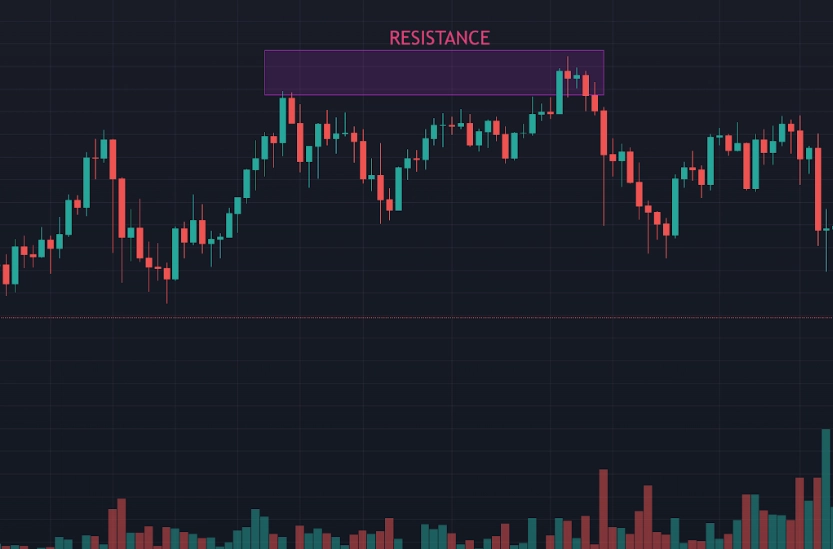
- TradingView: Charting powerhouse. The free version offers enough indicators (e.g., MACD, Bollinger Bands) for most traders.
- Glassnode Studio: Free tier gives on-chain insights like active addresses—a gem for spotting trends.
When to Consider Paid Analytics
If you're trading seriously, paid tools save time. For example, IntoTheBlock offers AI-driven signals for around $50/month. I tried it last year and found its liquidity analysis helpful for short-term moves. But test free options first—many overpromise.
How to Analyze Any Cryptocurrency in 5 Practical Steps
Let's walk through a framework I use for every asset. Assume we're analyzing a new altcoin.
Step 1: Check the Fundamentals – It's Not Just the Whitepaper
Look beyond the website. Who's on the team? Are they doxxed? Check GitHub for code commits—no activity means red flags. Also, review tokenomics: is supply inflationary? Data from Messari reports can help here.
Step 2: Dive into On-Chain Metrics – The Truth is in the Data
Use Glassnode or CryptoQuant. Key metrics: network growth (new addresses), transaction count, and whale holdings. If large holders are accumulating, it might signal confidence. I missed this with Solana early on and regretted it.
Step 3: Apply Technical Analysis – But Keep It Simple
On TradingView, draw support/resistance lines on daily charts. Add volume profile—it shows where most trading occurred. Avoid indicator overload; I use just two: moving averages (50-day and 200-day) and relative volume.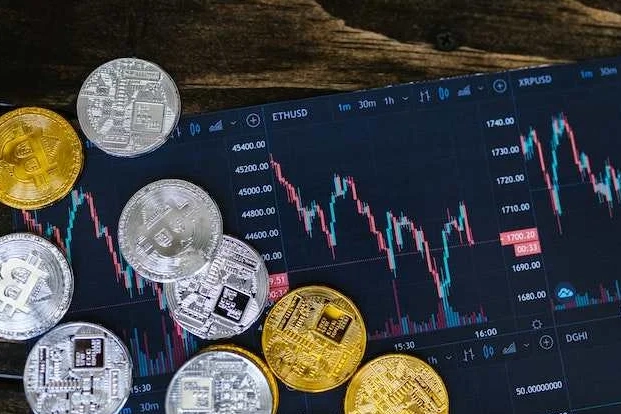
Step 4: Gauge Market Sentiment – Beyond Social Media Hype
Check fear and greed indices like Alternative.me. Also, scan Reddit and Telegram for community sentiment, but filter out shills. Tools like LunarCrush aggregate social data.
Step 5: Synthesize and Decide – Putting It All Together
Weigh the data. If fundamentals are strong, on-chain is positive, technicals show support, and sentiment isn't euphoric, it might be a buy. Document your reasoning—I keep a journal to review later.
A Real-World Example: Breaking Down Ethereum's Recent Surge
Let's apply this to Ethereum's price jump in early 2024. First, fundamentals: the Dencun upgrade reduced fees, boosting adoption—data from Ethereum.org showed increased developer activity. On-chain: Glassnode reported rising staking and declining exchange balances, hinting at accumulation. Technicals: the price broke above $3,000 with high volume, confirming a breakout. Sentiment: fear and greed index moved from fear to neutral, not extreme greed. This confluence suggested a sustainable move, not a pump-and-dump.
I used this analysis to enter a position and set a stop-loss below $2,800. It worked, but remember—past performance isn't predictive.
Staying Ahead: How to Continuously Improve Your Analysis Skills
Markets evolve. Follow reputable sources like Binance Research for reports, not influencers. Join communities like r/CryptoCurrency for diverse views, but verify claims. Practice with paper trading—I still do this for new strategies. And review your trades weekly: what did you miss? My biggest lesson: on-chain data often leads price by days.
Reader Comments