In This Guide
So, you're asking yourself, "How do I start crypto mining for beginners?" You've heard the stories, maybe saw a headline about someone making a profit, and now you're curious. Let's cut through the hype. Starting crypto mining today is less like striking gold in your backyard and more like starting a small, technical, energy-intensive hobby with the potential for financial reward. It's complex, but absolutely doable if you go in with your eyes open. This guide is for the complete novice. We won't sugarcoat it. We'll talk about costs, the real chance of profit, the technical hurdles, and walk you through the process step-by-step. Forget the get-rich-quick fantasies; think of this as a hands-on learning project in decentralized technology that might, just might, pay for itself.
The Core Idea: At its heart, crypto mining is the process of using computer hardware to solve complex mathematical problems. By solving these problems, you help verify and secure transactions on a blockchain network (like Bitcoin or Ethereum). As a reward for this service, the network gives you newly created cryptocurrency. It's a competition—more computing power means a better chance of earning the reward.
I remember when I first looked into this. I had a gaming PC and thought, "Hey, free money while I sleep!" The reality was a wake-up call in the form of a higher electricity bill and a lot of troubleshooting. But I learned a ton about how blockchains actually work, which was valuable in itself. Let's make sure your start is smoother than mine.
Before You Spend a Dime: The Crucial First Steps
Jumping straight to buying hardware is the biggest mistake beginners make. You need a plan. The landscape has changed dramatically. A few years ago, you could mine with a decent GPU and see a return. Now, it's an industrial-scale operation for many coins. But don't let that scare you off—there are still avenues for the little guy.
A Reality Check: In many regions, especially with high electricity costs, mining popular coins like Bitcoin with consumer hardware is almost guaranteed to lose money. Your first job is to figure out if mining is even viable for you. This isn't pessimism; it's necessary homework.
The first question you need to answer isn't "what hardware?" but "what coin?" Your choice of cryptocurrency dictates everything that follows: the hardware you need, the software you run, and your potential profit. It's the cornerstone of answering "How do I start crypto mining for beginners?"
Choosing What to Mine: It's Not Just Bitcoin
Bitcoin gets all the headlines, but it's arguably the hardest coin for a beginner to mine profitably due to the specialized (and expensive) hardware required and immense competition. Here’s a quick rundown of the main avenues, which we'll explore in detail.
- GPU Mining: This is the most accessible entry point for beginners. You use graphics cards (GPUs) to mine coins that use algorithms resistant to specialized ASIC miners. This includes Ethereum Classic, Ravencoin, Ergo, and many others. The big advantage? GPUs are versatile. If one coin becomes unprofitable, you can often switch to mine another.
- ASIC Mining: This is for Bitcoin and a few other coins. An ASIC (Application-Specific Integrated Circuit) is a machine built to do one thing: mine a specific cryptocurrency algorithm as fast and efficiently as possible. They are expensive, loud, generate massive heat, and are useless for anything else. Not very beginner-friendly, but it's the only realistic way to mine Bitcoin.
- CPU Mining: This is using your computer's main processor. It's largely obsolete for major coins but can be a fun, low-stakes way to mine certain privacy-focused or newer coins. Don't expect significant income here; think of it as an educational tool.
- Cloud Mining: Renting mining power from a company. I'm skeptical of most offerings. The space is riddled with scams, and even legitimate contracts often have fine print that eats into profits. I'd advise beginners to steer clear until they understand the industry much better. The hands-off approach sounds nice, but you lose control and the learning experience.
For 99% of beginners asking "How do I start crypto mining?", GPU mining is the recommended starting point.
The Non-Negotiable: Calculating Profitability
This is your most important step. You must know your numbers before you plug anything in. Profitability hinges on a few key variables:
- Hashrate: Your hardware's mining speed (measured in MH/s, GH/s, etc.).
- Power Consumption: How many watts your mining rig draws from the wall.
- Electricity Cost: Your cost per kilowatt-hour (kWh). You can find this on your utility bill. This is the profit killer. Rates vary wildly from $0.05/kWh in some US states to over $0.30/kWh in parts of Europe.
- Coin Price & Network Difficulty: The value of the coin and how hard it is to mine (difficulty usually increases over time).
You don't need to be a math whiz. Use a mining profitability calculator. Sites like CoinWarz or WhatToMine are industry standards. Plug in your hardware details and electricity cost. It will give you a rough estimate of daily profit/loss. Be conservative. Assume the coin price won't moon and difficulty will go up.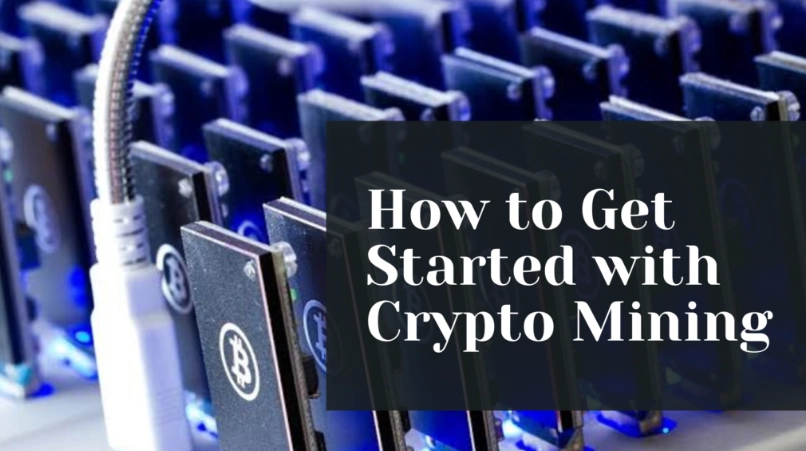
My Personal Rule: I only consider hardware if the calculator shows a potential ROI (Return on Investment) within 12-18 months, assuming static prices. That's a tough bar to meet these days, which tells you something about the state of beginner mining. It forces you to look at newer, smaller coins with more potential for price appreciation.
Gearing Up: Hardware Deep Dive
Alright, you've done your calculations and have a target coin. Now let's talk gear. This is where budgets can balloon, so we'll break down the options.
GPU Mining Rig: The Beginner's Workhorse
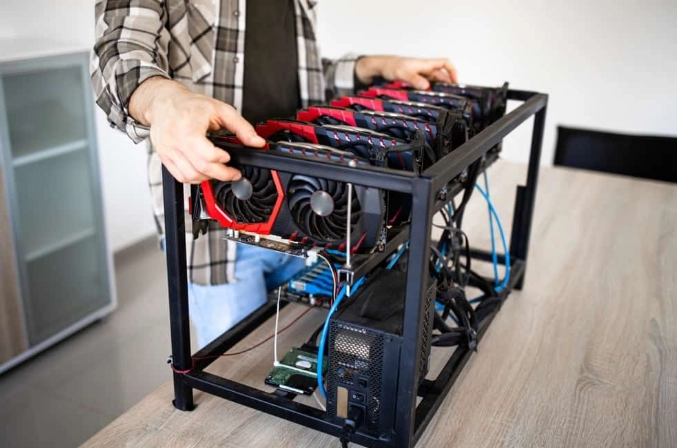
Building a GPU rig is like building a specialized PC. Here's what you need:
- Graphics Cards (GPUs): The heart of the operation. You don't need the absolute top-tier gaming card. Often, mid-range or last-gen cards offer a better hash-to-price ratio. Look for cards with good cooling and power efficiency. NVIDIA's RTX 3060 Ti, RTX 3070, and AMD's RX 6700 XT have been popular choices for their efficiency. Do not buy at inflated prices.
- Motherboard: You need one with enough PCIe slots for multiple GPUs. Specialized mining motherboards exist with 6, 8, or even 12 slots.
- Power Supply (PSU): This is critical. Do NOT cheap out. Get a high-quality, 80 Plus Gold or Platinum rated PSU from a reputable brand (Seasonic, Corsair, EVGA). Calculate your total system wattage and add a 20-30% overhead. For a 6-GPU rig, a 1200W-1500W PSU is common.
- CPU, RAM, Storage: Minimal specs are fine. A basic Celeron or Athlon CPU, 4-8GB of RAM, and a 120GB SSD are plenty. The rig just needs to run the OS and mining software.
- Rig Frame: An open-air metal frame is best for airflow and keeping your GPUs cool. You can buy one or build a simple one from wire shelving.
- Other Bits: Risers (cables that connect GPUs to the motherboard), a reliable internet connection, and plenty of airflow (fans).
I remember buying a mid-range card a few years back, thinking one was enough. The earnings were tiny. It was a decent starter to learn the software, but I quickly realized I needed more power (and more cards) to make a dent, which meant a bigger PSU, a new motherboard... the domino effect is real. Start with a plan for a multi-GPU setup, even if you begin with just one or two cards.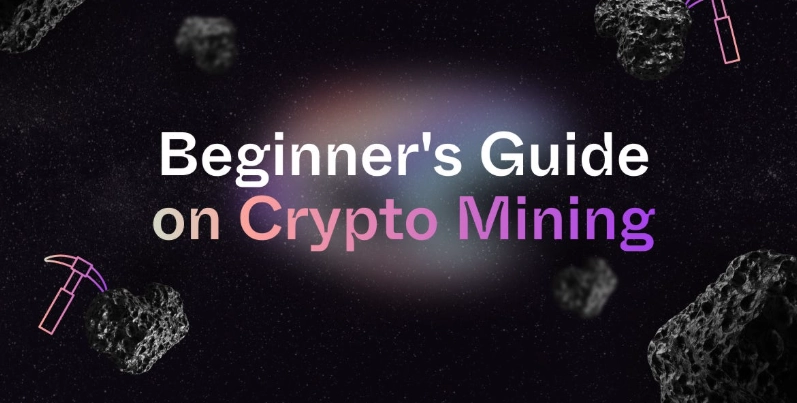
ASIC Miners: The Specialized Beast
If your research and calculations point you toward Bitcoin (SHA-256 algorithm) or Litecoin (Scrypt), you're in ASIC territory. Here’s a snapshot of what this world looks like.
| Model (Example) | Algorithm | Approx. Hashrate | Approx. Power Draw | Key Consideration for Beginners |
|---|---|---|---|---|
| Bitmain Antminer S19 XP | SHA-256 (Bitcoin) | 140 TH/s | 3010W | Extremely loud, requires 240V outlet, generates massive heat. |
| Bitmain Antminer L7 | Scrypt (Litecoin, Doge) | 9500 MH/s | 3425W | Similar noise/heat/power issues as Bitcoin ASICs. |
| Goldshell KD Box | Kadena (KDA) | ~1.6 TH/s | ~205W | Much quieter, runs on 110V, a "living room friendly" ASIC option. |
See the difference? The KD Box is an example of a newer, lower-power ASIC for alternative coins. For a beginner, something in this class is a far more manageable introduction to ASIC mining than a roaring, heat-blazing S19.
Noise & Heat Warning: Seriously, I can't overstate this. A full-power ASIC sounds like a jet engine or a very loud vacuum cleaner running 24/7. It will also raise the temperature of the room it's in significantly. You need a dedicated, well-ventilated space (garage, basement, shed) and to consider the impact on your household.
The Software Side: Making It All Work
Hardware is just a fancy paperweight without software. This is where you connect to the network and start working.
Choosing Your Operating System
You have a couple of good options:
- Windows 10/11: Familiar and easy to set up. Great for beginners who want to use their rig for other tasks occasionally. The downside? It's less stable for 24/7 operation and can have more overhead.
- Hive OS: This is a Linux-based operating system built specifically for mining. It's what most serious miners use. You manage your rigs from a web dashboard or phone app. It's incredibly stable, has built-in overclocking tools, remote reboot, and supports a huge range of hardware and coins. There's a small fee per rig after the first one, but it's worth every penny for the headache it saves. This is my strong recommendation once you get past the very first "see if it works" stage.
Mining Software & Wallets
The mining software is the application that tells your hardware what to solve and connects you to a mining pool (more on that next).
- For GPU Mining: Popular options include T-Rex Miner (NVIDIA), TeamRedMiner (AMD), and GMiner. They are usually configured via a simple text file (a .bat file on Windows).
- For ASIC Mining: ASICs often come with their own web interface where you input your pool and wallet details.
Before you run any software, you need a cryptocurrency wallet. This is where your mining rewards will be sent. Never mine directly to an exchange address unless the exchange explicitly supports it and provides a specific mining tag/destination ID.
- Software/Web Wallet: Like Exodus or MetaMask. Convenient for beginners and smaller amounts.
- Hardware Wallet: Like Ledger or Trezor. The gold standard for security. You store your crypto offline. Essential once you accumulate a significant amount.
Go to the official website of the coin you want to mine. They will list recommended wallets. For Bitcoin, the Bitcoin.org wallet page is a trusted resource. For Ethereum, the Ethereum.org wallet finder is authoritative. Use these official sources to avoid fake wallet scams.
You Can't Go It Alone: Joining a Mining Pool
This is a critical concept. Unless you have a warehouse of ASICs, mining solo means you might never, ever find a block and get a reward. The solution is a mining pool.
A mining pool is a group of miners who combine their computing power to increase their chances of finding a block. When the pool succeeds, the reward is split among all participants based on the amount of work (shares) they contributed.
For anyone wondering "How do I start crypto mining for beginners," the answer is: start with a pool. Your earnings will be small but steady, like a drip-feed, instead of a lottery ticket.
How to choose a pool? Look for:
- Reputation & Longevity: Stick to well-known, established pools.
- Pool Fee: Usually 1-2%. This is how the pool operators make money.
- Payment Scheme: PPLNS (Pay Per Last N Shares) is common and fair.
- Minimum Payout: The minimum amount you need to earn before the pool sends coins to your wallet.
- Server Location: Choose a server geographically close to you for lower latency.
Some reputable pools for various coins include Ethermine (for Ethereum Classic), 2Miners, NiceHash (a bit different—it's a marketplace that pays you in Bitcoin for your hashpower), and F2Pool. Do your own research on which pool is best for your specific coin.
Putting It All Together: Your First Mining Run
Let's walk through a simplified sequence for a GPU miner:
- Assemble Your Hardware: Build your rig, connect all GPUs with risers, plug in the PSU.
- Install OS: Install Windows or Hive OS on your SSD.
- Get a Wallet: Set up a wallet for your chosen coin and copy your receiving address.
- Choose a Pool: Pick a pool, go to their website, and find the "stratum" address for your coin/algorithm (e.g.,
stratum+tcp://etc.ethermine.org:4444). - Configure Mining Software: Download your miner. Edit the provided example .bat file. You'll input the pool address, your wallet address, and a worker name. Save it.
- Test Run: Double-click the .bat file. A command prompt window will open. You should see it connecting to the pool and your GPUs starting to submit shares. You can now check your worker stats on the pool's website by entering your wallet address.
- Optimize: Once it's running stable, you can look into overclocking your GPUs (increasing memory clock, reducing power limit) to improve efficiency. Do this slowly and carefully, monitoring for stability and temperature.
If you see shares being accepted on the pool website, congratulations! You're a miner. Now, let it run for 24 hours and check your estimated earnings against your profitability calculator.
Beyond the Basics: Costs, Risks & Sustainability
We've covered the "how," but the "should you" is just as important.
The Hidden and Not-So-Hidden Costs
- Electricity: The big one. Your rig will run 24/7.
- Heat Management: You may need additional cooling (fans, ventilation) in the room, especially in summer, which uses more electricity.
- Hardware Wear and Tear: Running hardware at full load continuously shortens its lifespan. Fans will fail first.
- Internet: A stable connection is crucial. You don't need high bandwidth, but uptime matters.
- Time: This is a hobby that requires monitoring, troubleshooting, updating software, and sometimes repairing hardware.
Legal and Tax Implications
This is boring but vital. In most countries, mined cryptocurrency is considered taxable income at its fair market value on the day you receive it. If you later sell it for a profit, that's a separate capital gains tax event. Keep detailed records of your mining income and expenses (hardware, electricity). Consult a tax professional familiar with crypto in your jurisdiction. Ignorance isn't a defense.
The Environmental Question
Proof-of-Work mining, which Bitcoin and many others use, consumes significant energy. This is its biggest criticism. As a miner, you should be aware of this. Some responses within the industry include:
- Mining using stranded or renewable energy (e.g., hydropower in wet seasons, flared natural gas).
- The shift of major blockchains like Ethereum to Proof-of-Stake (which uses ~99.95% less energy).
- The development of more energy-efficient mining hardware.
It's a complex debate. My personal take? If you're mining, being as energy-efficient as possible isn't just good for the planet—it's directly good for your profitability.
Common Beginner Questions (FAQs)
Final Thoughts: Is This for You?
So, after all this, how do I start crypto mining for beginners? You start with research, not with a credit card. You start by accepting it's a technical hobby with financial risk, not a passive income stream. You start small, with a single GPU or a low-power ASIC, and learn the ropes.
The biggest reward for me wasn't the crypto (though that was nice). It was the deep, practical understanding I gained of blockchain technology, hardware, networking, and finance. It made me a more informed participant in the crypto space, period.
If you're fascinated by the technology, enjoy tinkering, have access to cheap electricity, and can afford to lose the money you put into hardware, then diving in can be incredibly educational and potentially rewarding. If you're just looking for easy money, look elsewhere. The days of easy mining profits are long gone.
Your journey starts with that profitability calculator. Be honest with the numbers. If they don't add up today, keep learning, watch the market, and wait for an opportunity. The door isn't closed; it just requires a more thoughtful key to open.
Reader Comments