So you've heard the buzz, read the headlines, and you're ready to figure out how to buy Bitcoin. Maybe you see it as a digital gold, a payment revolution, or just a fascinating experiment. Whatever your reason, taking that first step can feel overwhelming. Which website? How much? Is it safe?
I've been through this process myself and helped dozens of friends navigate it. Let's cut through the noise. This guide isn't about hyping Bitcoin's price. It's a practical, step-by-step walkthrough of how to actually acquire and secure it, pointing out the bumps in the road most guides gloss over.
What's Inside This Guide
Step 1: Get Your Ducks in a Row (The Boring But Essential Stuff)
Before you click "buy," you need a few things. This isn't like adding an item to an Amazon cart.
What You'll Need
A Government-Issued ID: A driver's license or passport. Every legitimate platform (called a cryptocurrency exchange) is required by law to verify your identity. This process is known as Know Your Customer (KYC). Annoying? Sometimes. But it's the trade-off for using regulated services.
A Secure Email and Phone: Use an email with a strong, unique password and two-factor authentication (2FA) enabled. Your phone will be used for verification codes.
A Payment Method: How will you fund your purchase? Each method has different speeds and fees.
- Bank Transfer (ACH): Slow (3-5 days), but usually has the lowest fees. This is the most common method.
- Debit/Credit Card: Almost instant, but fees are higher (often 3-4%). Some card issuers block crypto purchases.
- Wire Transfer: Fast for large amounts, but bank fees can be high.
Step 2: Picking Your Buying Platform
This is where most people get stuck. There are hundreds of exchanges. I'll break down the main types and a few specific names to consider.
Centralized Exchanges (CEXs) – The Easiest Starting Point
These are companies that act as middlemen, like a stock brokerage for crypto. You give them money, they give you Bitcoin. They hold your coins in their digital vaults until you withdraw them.
| Platform | Best For | Fees (Approx.) | Key Consideration |
|---|---|---|---|
| Coinbase | Absolute beginners. Super simple interface. | Higher (~1.5% + spread) | You pay for simplicity. Their advanced platform, Coinbase Advanced Trade, has lower fees. |
| Kraken | Beginners who value security and lower fees. | Lower (0.16% - 0.26%) | Strong reputation for security and customer support. Slightly less polished app than Coinbase. |
| Binance | Traders and those seeking the most coins/lowest fees. | Very Low (0.1%) | Not available in some countries (like the US, where Binance.US is a separate, limited entity). Can be overwhelming. |
My personal take? For a first purchase, Kraken strikes the best balance of ease, low fees, and trustworthiness. But Coinbase is a perfectly fine, if more expensive, on-ramp.
Other Avenues
Peer-to-Peer (P2P) Platforms: Like eBay for Bitcoin. You buy directly from another person. Use cases: Privacy, or if you're in a region with limited exchange access. Downsides: Requires more caution, potential for scams, prices can vary. Paxful and LocalBitcoins are examples.
Bitcoin ATMs: Physical kiosks. Fast and anonymous(ish). Major downside: Exorbitant fees, often 10-15%. Use only as a last resort for small amounts.
Step 3: Making Your First Purchase
Let's walk through a typical flow on an exchange like Kraken or Coinbase.
1. Sign Up & Verify: Create an account with your email and a strong password. Immediately enable 2FA (Google Authenticator or Authy, not SMS if possible). You'll then upload photos of your ID. This can take a few minutes to a few hours.
2. Deposit Fiat: Go to the "Deposit" or "Add Funds" section. Link your bank account or choose your payment method. A bank transfer will take a few days to clear.
3. Place Your Order: Once funds are available, find the Bitcoin (BTC) trading pair (e.g., BTC/USD).
You have two main order types:
- Market Order: "Buy Bitcoin at the current best available price." Fast and simple. You might pay a tiny bit more due to "spread."
- Limit Order: "Only buy Bitcoin if its price drops to $X." Gives you price control, but your order may not fill if the price never hits your target.
For a first, small purchase, a market order is fine. You're not trying to day-trade yet.
4. Confirm & Own: Review the fees (they should be clearly displayed), confirm the purchase, and that's it. The Bitcoin will appear in your exchange account balance.
But here's the thing most beginners miss...
Step 4: The Most Important Step – Securing Your Bitcoin
If you leave your Bitcoin on the exchange, you don't truly own it. You have an IOU. The exchange controls the private keys. If they get hacked, go bankrupt, or freeze your account, your Bitcoin could be gone.
Not your keys, not your coins. This is the cardinal rule.
To own your Bitcoin, you must move it to a wallet you control. Think of it like this: the exchange is a bank. A private wallet is a physical safe in your home.
Choosing Your Wallet
Hot Wallets (Software): Apps on your phone or computer. Convenient for smaller amounts or frequent use.
- Examples: Exodus, Trust Wallet, BlueWallet.
- Best for: The Bitcoin you plan to spend or trade (
Cold Wallets (Hardware): Physical devices like a USB stick. They store keys offline, making them immune to online hacks.
- Examples: Ledger, Trezor.
- Best for: Long-term savings, any significant amount. This is non-negotiable for serious holders.
The Withdrawal Process
1. Set up your private wallet and write down your recovery seed phrase (12-24 words) on paper. Store it somewhere incredibly safe. Never digitalize it.
2. In your wallet app, find your Bitcoin receiving address. It's a long string starting with "1", "3", or "bc1".
3. Go to your exchange, find "Withdraw BTC," paste your address, and send.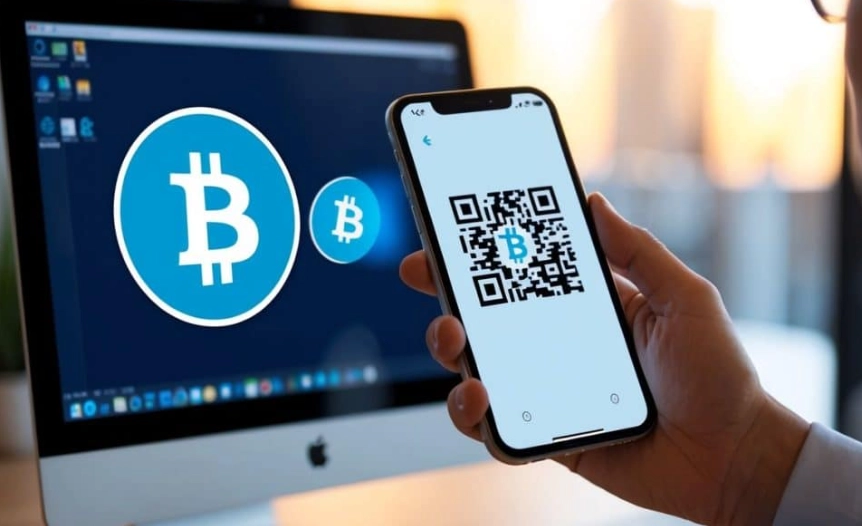
Yes, there's a small network fee for this withdrawal (usually a few dollars). Consider it the cost of true ownership and peace of mind.
Your Bitcoin Questions, Answered
Buying Bitcoin is no longer the technical mystery it was a decade ago. The process is streamlined, but the responsibility is greater. It boils down to this: choose a reputable exchange, buy what you can afford to lose, and immediately move it to a hardware wallet for safekeeping. You've now taken the first step into a broader financial world. The key is to keep learning. Understand the technology you're buying into, not just the price chart.
Reader Comments