In This Guide
Let's cut to the chase. You're here because you've seen the headlines, heard the stories, and you're wondering if you can still make money mining cryptocurrency. The dream of turning electricity into digital gold is tempting, but before you plug anything in, you need to know the real crypto mining setup cost. I'm not talking about a vague ballpark figure. I mean every single dollar you'll need to spend, from the obvious to the sneaky hidden fees that most guides conveniently forget to mention.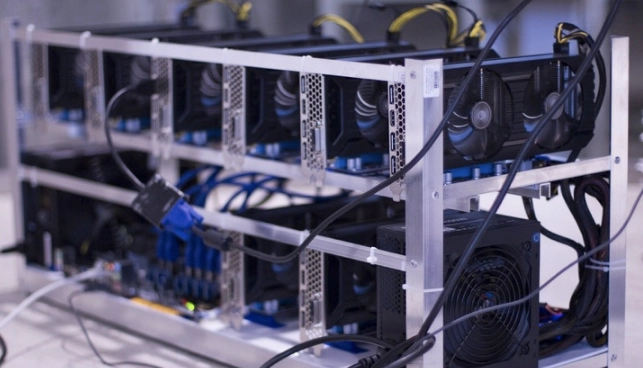
I've been down this rabbit hole myself. I remember the excitement of unboxing my first ASIC miner, followed quickly by the shock of my first power bill. It's a journey with highs and lows, and a big part of the lows comes from unexpected costs. This guide is what I wish I had before I started. We'll break down the crypto mining setup cost into digestible pieces, so you can make an informed decision, not a hopeful gamble.
Where the Money Goes: The Major Cost Components
Forget the one-line answers. The total cost isn't just "a few thousand bucks." It's a layered cake of expenses, and if you miss a layer, your profitability calculations will be completely wrong. Let's start with the big-ticket items.
The Heart of the Operation: Mining Hardware
This is your biggest upfront investment. The choice here dictates everything else—your power draw, your hash rate, your potential earnings, and even your cooling needs. There are two main paths: ASIC miners for Bitcoin and a few other coins, and GPU rigs for Ethereum Classic, Ravencoin, and others.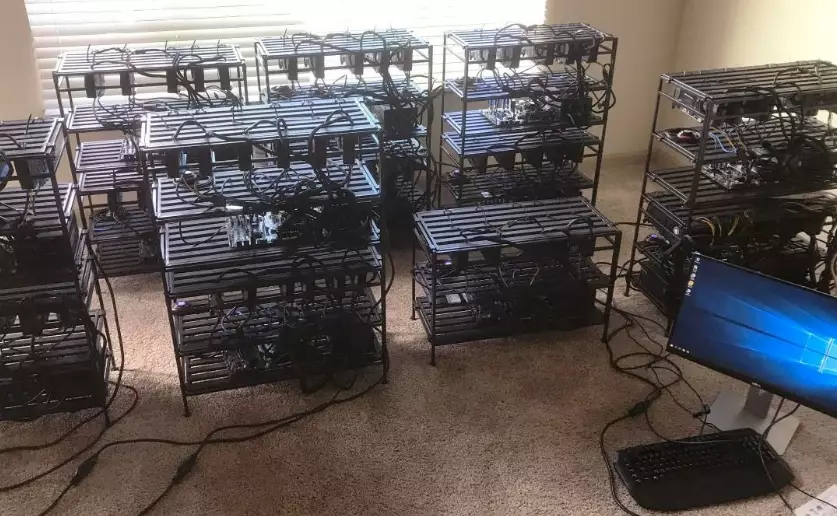
ASIC miners are beasts. They're single-purpose computers designed to do one thing incredibly well: mine a specific algorithm. The upside? Unbeatable efficiency for their target coin. The downside? They're loud, hot, and become expensive paperweights if the coin's algorithm changes or profitability tanks. A new, top-tier Bitcoin ASIC from a manufacturer like Bitmain or MicroBT can easily set you back $5,000 to $10,000. You can find cheaper, older models on the secondary market, but their efficiency (joules per terahash) will be worse, hurting your long-term margins.
GPU mining, on the other hand, is more flexible. You're building a rig with multiple graphics cards (like NVIDIA GeForce RTX 4070s or AMD Radeon RX 7900 XTXs). If mining becomes unprofitable, you can sell the GPUs to gamers or use them for other computational work. A decent 6-GPU rig can cost anywhere from $3,000 to $6,000 just for the components (cards, motherboard, CPU, RAM, PSU, risers, frame). The prices swing wildly with crypto and gaming market trends.
Quick Hardware Reality Check: Don't just look at the hash rate. The key metric is efficiency. A miner that does 100 TH/s but consumes 3000 watts is often worse than one that does 90 TH/s but only uses 2200 watts. That extra 800 watts is a constant drain on your profits. Always calculate your potential return after electricity costs.
Here’s a rough comparison of some common options to give you a feel for the mining rig cost spectrum:
| Hardware Type | Example Model | Approx. Hash Rate | Power Consumption | Estimated Cost (New) | Best For |
|---|---|---|---|---|---|
| ASIC Miner (Bitcoin) | Bitmain Antminer S21 Hyd | 335 TH/s | ~5360W | $5,500 - $7,000 | Dedicated, large-scale mining with cheap power. |
| ASIC Miner (Litecoin/Dogecoin) | Bitmain Antminer L7 | 9500 MH/s | ~3425W | $2,000 - $3,500 | Mining Scrypt-based coins. |
| High-End GPU Rig (6x GPU) | 6x NVIDIA RTX 4090 | ~1200 MH/s (Ethash) | ~1800W | $10,000+ | Flexible mining, highest hash rate for altcoins. |
| Mid-Range GPU Rig (6x GPU) | 6x AMD RX 7900 XTX | ~1000 MH/s (Ethash) | ~2100W | $6,000 - $7,500 | Good balance of cost and performance for altcoins. |
| Budget GPU Rig (6x GPU) | 6x NVIDIA RTX 4070 | ~500 MH/s (Ethash) | ~1200W | $3,500 - $4,500 | Entry-level, lower upfront cost, better efficiency than older cards. |
See the range? Your crypto mining hardware cost is a massive variable. And buying the hardware is just the first step. Now you have to power it.
The Never-Ending Bill: Electricity Costs
This is the make-or-break factor for most home miners. Your mining rig is essentially a space heater that generates cryptocurrency. It will run 24/7/365. The math is simple but brutal: (Watts / 1000) * Hours per Day * Cost per kWh.
Let's take that mid-range ASIC miner drawing 3425 watts. If your electricity rate is the U.S. national average of around $0.16 per kWh, the daily cost is: (3425/1000) * 24 * 0.16 = $13.15 per day. That's nearly $400 a month, just in electricity. If you're in a place with expensive power, like parts of California or Germany where rates can exceed $0.30/kWh, that daily cost doubles. Your coin earnings must exceed this number just to break even.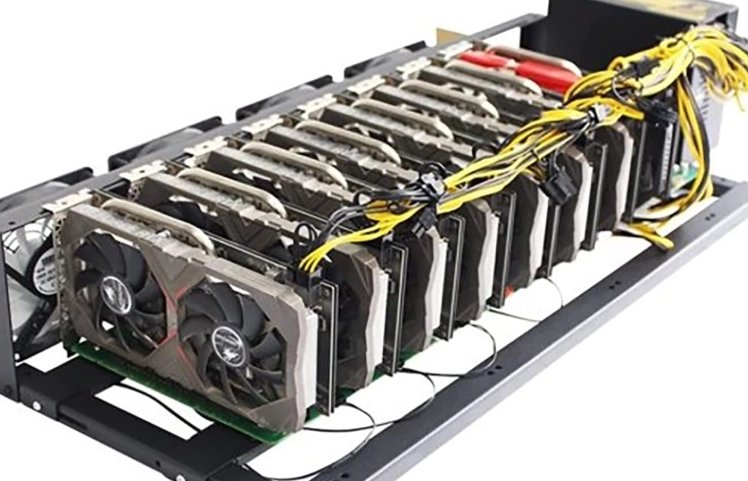
This is why miners flock to places with cheap, stable power—think Washington State (hydroelectric), Texas (deregulated grid), or certain countries with energy subsidies. Before you even look at hardware, know your electricity rate. It's the single most important number in your crypto mining cost calculation.
Pro Tip: Don't rely on your standard residential rate if you're planning a large setup. Contact your utility company. Running multiple high-wattage devices 24/7 may qualify you for a different (sometimes higher) commercial rate, or you may need a service upgrade, which is another cost.
The Supporting Cast: Infrastructure & Setup
Your miner doesn't exist in a vacuum. You need to plug it into something, cool it, and connect it to the world. These are the often-overlooked parts of the total crypto mining setup cost.
Electrical Work: A single ASIC miner can need a dedicated 240-volt circuit, like what your dryer uses. Hiring an electrician to run a new circuit can cost $300-$800. Multiple rigs? You might need a sub-panel installed. This isn't a DIY project for most people—get it wrong, and you risk a fire.
Cooling & Ventilation: Mining hardware throws off insane heat. A single ASIC can raise the temperature of a small room by 15-20 degrees Fahrenheit in minutes. You'll need robust ventilation—industrial fans, ducting, maybe even a dedicated exhaust system. In warmer climates, air conditioning becomes a non-negotiable and expensive addition. The cost for cooling solutions can range from $100 for a box fan to thousands for a mini-split AC system.
Internet & Networking: You need a stable, low-latency internet connection. A dropped connection means lost mining time. A simple Ethernet switch and cables are cheap ($50), but factor them in.
Miscellaneous: Shelving or racks to hold your gear, surge protectors or UPS units (Uninterruptible Power Supplies) to protect against brownouts, tools, and spare parts like extra fans or thermal paste. These nickels and dimes add up to a few hundred dollars quickly.
The Hidden Costs They Don't Tell You About
Now we get to the juicy part—the costs that sneak up on you. This is where many beginner miners get blindsided.
Noise Pollution: The Invisible Tax
I cannot stress this enough. ASIC miners are deafening. We're talking 75-85 decibels, which is like standing next to a vacuum cleaner or a busy city street. You cannot run this in your living room or bedroom. It will affect your sleep, your sanity, and likely your relationships with neighbors or family. Sound-dampening enclosures or building a separate shed are common solutions, adding hundreds or thousands to your crypto mining setup cost. GPU rigs are much quieter but still produce a significant fan hum with multiple cards.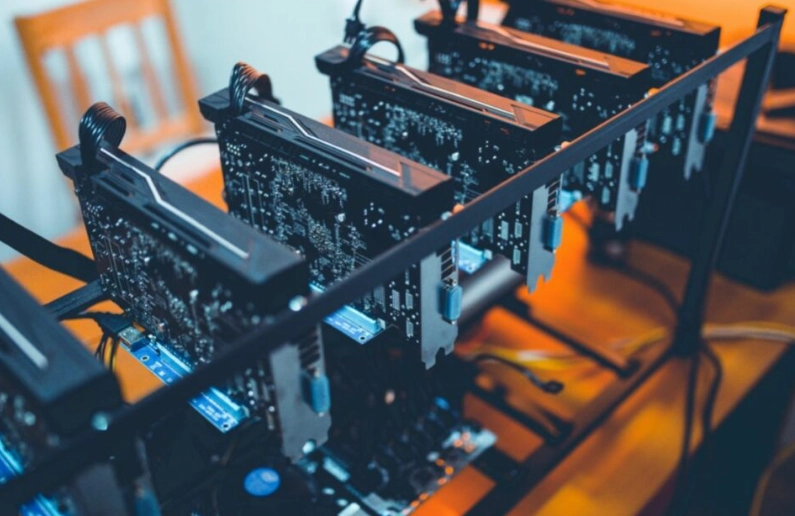
Depreciation: Your Rig Is Melting Ice
The moment you turn on your new mining hardware, it starts losing value. Newer, more efficient models are released every 6-12 months, making yours less competitive. The wear and tear of running at full throttle 24/7 also takes its toll. When you factor in your crypto mining rig cost, you should assume its resale value will drop by 30-50% in the first year. This isn't a cash expense today, but it's a real economic cost that affects your overall return on investment.
Maintenance & Repairs
Fans fail. Power supplies die. Dust clogs heatsinks. You will need to maintain your equipment. For ASICs, replacing a fan can cost $30-$50 per fan, and they have several. A failed hash board can effectively total the unit. With GPU rigs, you might need to replace thermal pads, re-paste GPUs, or troubleshoot faulty riser cables. Set aside a small monthly budget for maintenance and spare parts.
Time & Knowledge: The Ultimate Hidden Cost
Mining is not a "set it and forget it" operation. It requires ongoing attention. You need to monitor your rigs for crashes, update mining software, choose the most profitable pools and coins to mine (which change daily), track your earnings, and handle taxes. The learning curve is steep. The time you spend troubleshooting is a cost, especially if you value your time.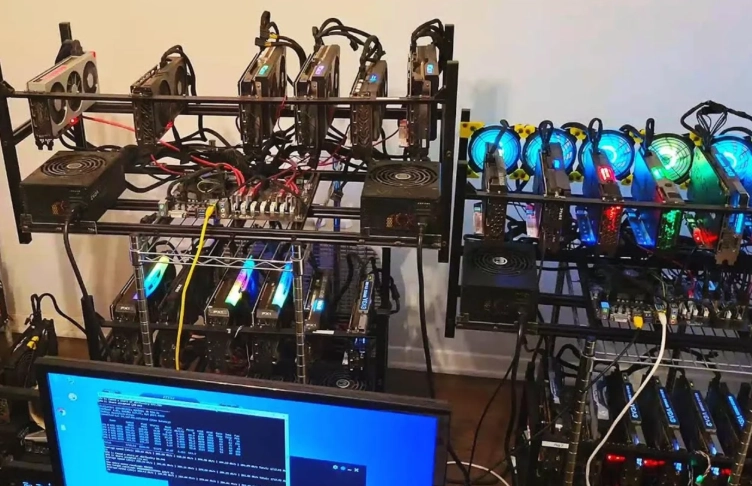
A Word of Caution on "Cloud Mining": You'll see services offering to sell you mining contracts without any hardware hassle. The vast majority of these are scams or mathematically terrible deals. You have no control over the hardware, fees are hidden and high, and you often pay an inflated upfront price. The legitimate ones (and they are few) usually have such slim margins after their costs that you'd be better off just buying the cryptocurrency directly. I'm highly skeptical of almost all cloud mining offerings.
Putting It All Together: Sample Cost Breakdowns
Let's make this concrete. Here are two realistic scenarios for a solo home miner. Remember, these are estimates, and your numbers will vary.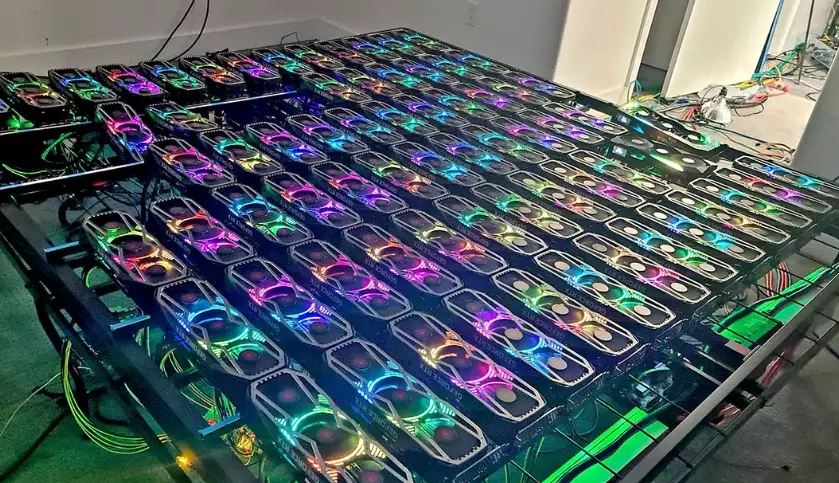
Scenario 1: The Single ASIC Miner (Bitcoin Focused)
Let's say you buy a used, but efficient, ASIC like an Antminer S19j Pro (100 TH/s, 3050W).
- Hardware Cost (Used): $1,800
- Electrical Circuit Installation: $500 (one-time)
- Ventilation/Cooling (Industrial Fan, Ducting): $200
- Miscellaneous (Cables, Surge Protector, Rack): $150
- Total Upfront Setup Cost: $2,650
Ongoing Monthly Costs (at $0.12/kWh):
- Electricity: (3050W/1000)*24*30*0.12 = $263.52
- Pool Fees (~1%): ~$5 (depends on earnings)
- Estimated Monthly Maintenance Fund: $20
- Total Ongoing Monthly Cost: ~$288
See how the ongoing cost quickly rivals the upfront investment?
Scenario 2: A Modest 4-GPU Rig (Altcoin Focused)
Building a rig with 4x NVIDIA RTX 4070 cards.
- Hardware Cost (New GPUs, mobo, PSU, etc.): $2,800
- No Special Electrical Work Needed (runs on 120V): $0
- Basic Cooling (2x Box Fans): $80
- Miscellaneous (Frame, Cables, Switch): $200
- Total Upfront Setup Cost: $3,080
Ongoing Monthly Costs (at $0.16/kWh):
- Electricity (~800W total): (800/1000)*24*30*0.16 = $92.16
- Pool & Software Dev Fees (~1.5%): ~$8
- Maintenance Fund: $15
- Total Ongoing Monthly Cost: ~$115
So, your initial outlay for a serious hobbyist setup is almost always between $2,500 and $5,000. And that's before you've mined a single coin. This is the real starting line for understanding how much does crypto mining cost.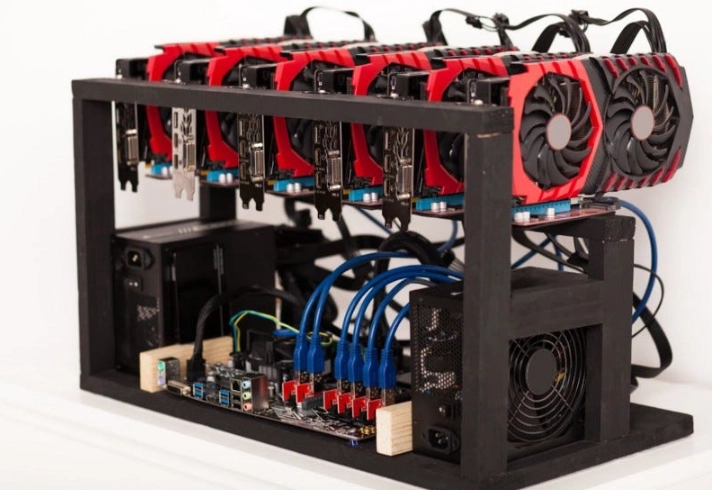
The Big Question: Will You Make Your Money Back?
This is the million-dollar (or thousand-dollar) question. Profitability is a moving target. It depends on:
- Cryptocurrency Price: The higher the price of the coin you're mining, the more your daily output is worth.
- Network Difficulty: As more miners join the network, the puzzle gets harder, meaning your share of the rewards shrinks. Difficulty almost always trends up over time.
- Your Electricity Cost: The constant in the equation, and your biggest enemy or ally.
You must use a profitability calculator before spending a dime. Sites like WhatToMine are essential. You plug in your hardware, power cost, and it estimates your daily profit or loss based on current coin prices and network conditions.
Here's the brutal truth most calculators show right now: at average U.S. electricity rates, many miners are operating at a very slim profit margin or even a small loss. The days of easy, guaranteed returns are long gone for the average home miner.
Your break-even point is when your total mined coin value equals your total crypto mining setup cost plus all ongoing expenses. With the sample ASIC setup above ($2,650 upfront, ~$288/month), if you're netting $300 a month after electricity, it would take you about 9-10 months just to cover the initial hardware and setup, assuming coin price and difficulty stay constant (they won't). This is why many view mining not as a fast cash scheme, but as a long-term, dollar-cost-averaging method of accumulating a cryptocurrency you believe in, using electricity as your recurring buy-in.
FAQs: Answering Your Burning Questions
Final Thoughts Before You Take the Plunge
Calculating the true crypto mining setup cost is the most responsible first step you can take. It shatters the get-rich-quick fantasy and replaces it with a spreadsheet—which is exactly what you need.
My personal take? Mining today is a tough business. The noise, the heat, the constant chase for efficiency, and the nail-biting volatility of crypto prices create a stressful environment. I got more satisfaction (and arguably better returns) from simply studying the market and making careful investments. Mining felt like running a small, noisy, hot factory in my spare room.
But for some, the appeal is undeniable. There's a tangible thrill to generating cryptocurrency from raw electricity and hardware. If you're a tinkerer, have cheap power, and view it as a high-tech hobby with potential upside rather than a surefire investment, diving into the details of your mining setup cost is the only way to start.
Do the math. Triple-check your electricity rate. Use the calculators. Factor in all the costs, especially the hidden ones. If the numbers still make sense to you, and you're willing to put in the work, then welcome to the mine.
Just maybe don't put it next to your bedroom.
Reader Comments