Quick Navigation
- Before You Buy: The Essential Mindset Shift
- Where to Buy: Exchanges, Brokers, and Peer-to-Peer
- The Step-by-Step Purchase Process (Using an Exchange)
- Security 101: How to Store Your Bitcoin Safely
- Common Mistakes Beginners Make (And How to Avoid Them)
- What Now? After You've Bought Bitcoin
- Frequently Asked Questions (FAQs)
Let's be honest, the whole "how do beginners buy Bitcoin" question can feel overwhelming. You've heard the stories, seen the headlines, and maybe even had a friend who made (or lost) some money. You're curious, maybe a little excited, but mostly you just want a clear, simple path forward without getting scammed or confused by tech jargon.
I remember my first time. I spent hours comparing websites, terrified of sending my money into the digital void. It shouldn't be that hard. This guide is the one I wish I had. We're going to break it down, step-by-step, with no fluff. We'll cover the absolute essentials: where to buy it, how to keep it safe, what mistakes to avoid, and what to do after you own some. By the end, you'll know exactly how do beginners buy Bitcoin the right way.
Before You Buy: The Essential Mindset Shift
Jumping straight to the "buy" button is a classic rookie mistake. Bitcoin isn't like buying a stock on Robinhood. It comes with unique responsibilities. The first thing to understand is that when you buy Bitcoin, you're not just buying a digital token—you're taking custody of a digital asset. This is the core concept that trips up so many newcomers.
Think of it like cash versus a bank balance. The exchange is the bank. It's convenient, but it's not the same as having the physical cash in your safe. This leads to the golden rule: Never invest more than you can afford to lose. I know, it's cliché, but with Bitcoin's volatility, it's non-negotiable. This isn't your emergency fund or next month's rent.
Another mental shift? Patience. Prices move fast. The fear of missing out (FOMO) is a powerful force. You might buy and see the price drop 10% the next day. That's normal. Understanding this before you start will save you a lot of stress. So, with that foundation, let's look at where you actually go to figure out how do beginners buy Bitcoin.
Where to Buy: Exchanges, Brokers, and Peer-to-Peer
This is where most of the confusion lies. There are three main avenues, each with pros and cons. Your choice depends on what you value most: ease of use, low fees, privacy, or control.
Centralized Exchanges (CEXs) – The One-Stop Shop
This is the most common answer to "how do beginners buy Bitcoin?". Think of these as the Amazon of crypto. You create an account, verify your identity (this is called KYC – Know Your Customer), deposit money, and trade. They're user-friendly and liquid, meaning you can buy and sell easily.
Top picks for beginners:
- Coinbase: The classic starting point. Super intuitive interface, great educational content (they even pay you in crypto to learn). The downside? Their fees can be on the higher side if you use the simple "trade" interface. Use Coinbase Pro (now called Advanced Trade) for lower fees.
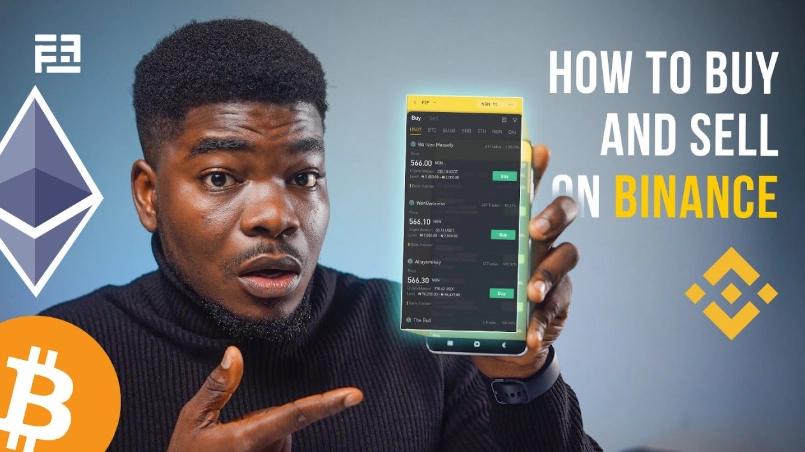
- Binance: The global giant. Offers the lowest trading fees and a dizzying array of cryptocurrencies. The interface can be overwhelming for a complete newbie, and its regulatory status varies by country (it's not available everywhere, like in the U.S., where Binance.US is a separate, more limited entity).
- Kraken: A favorite among more security-conscious users. It has a strong reputation for security and robust features. Their customer support is generally considered better than most.
Cryptocurrency Brokers – The Simplest Path
These are even simpler than exchanges. Apps like Cash App, Robinhood, or eToro. You just enter an amount in dollars and buy. There's no trading interface with charts and order books. It's buy/sell, period.
The trade-off? You often don't get a private wallet key, meaning you can't easily withdraw your Bitcoin to a personal wallet. You're trading a price derivative. For a tiny, experimental first buy, it's okay. For anything serious, I'd recommend a real exchange where you actually own the asset and can move it.
Peer-to-Peer (P2P) Platforms – Buying Directly
Platforms like Paxful or the P2P sections on Binance and LocalBitcoins connect you directly with another person who wants to sell Bitcoin. You can pay with Venmo, Zelle, bank transfer, even gift cards.
This method offers more privacy and payment flexibility but comes with higher risk of fraud. The platform acts as an escrow service, but you still need to be careful who you trade with. I'd say this is for a slightly more advanced beginner who values payment method options above all else.
| Platform Type | Best For | Ease of Use | Fees | Control Over Keys |
|---|---|---|---|---|
| Centralized Exchange (Coinbase, Binance) | Most beginners; balance of ease & control | Easy to Moderate | Low to Moderate | You hold keys if you withdraw to your wallet |
| Broker (Cash App, Robinhood) | Ultra-simple, first-time experiment | Very Easy | Variable (often built into spread) | Typically, you do NOT hold your own keys |
| Peer-to-Peer (Paxful) | Privacy, specific payment methods | Moderate (requires vetting sellers) | High (premium for convenience) | You hold keys after trade completes |
So, you've picked a place to buy. Now for the actual process of how do beginners buy Bitcoin step-by-step.
The Step-by-Step Purchase Process (Using an Exchange)
Let's walk through a typical flow on an exchange like Coinbase. The steps are similar everywhere.
- Sign Up and Verify Your Identity
You'll need your email, a strong password (use a password manager!), and likely your phone for 2-factor authentication (2FA). This is not optional. Enable 2FA immediately. Then, you'll go through KYC. Have your government-issued ID (driver's license, passport) ready. This process can take a few minutes or a couple of days.
- Deposit Fiat Currency (USD, EUR, etc.)
Link your bank account or debit card. Bank transfers (ACH in the U.S., SEPA in Europe) are usually free but take 1-3 business days. Debit card purchases are instant but come with higher fees (often 3-4%). For your first buy, a small card purchase is fine to get started. For larger amounts, use a bank transfer to save on fees.
- Place Your Buy Order
This is the moment. Navigate to the "Buy/Sell" section. Select Bitcoin (BTC). You'll see two main order types:
- Market Order: "Buy at the best available price right now." Fast and simple. This is what beginners should use.
- Limit Order: "Only buy if the price reaches $X." Gives you more control but requires watching the market.
Enter the amount you want to spend in dollars or the amount of Bitcoin you want. Review the fee (they should show it clearly). Confirm the transaction.
Dollar-Cost Averaging (DCA) Tip: Instead of trying to time the market with one big purchase, consider setting up recurring buys (e.g., $50 every Friday). This smooths out volatility and is one of the smartest strategies for beginners figuring out how to buy Bitcoin. - Your Bitcoin is Now in Your Exchange Wallet
Congratulations! You've officially bought Bitcoin. It will sit in your account's hosted wallet on the exchange. This is the vulnerable point. The exchange holds the private keys. Which brings us to the most important section of this whole guide...
Security 101: How to Store Your Bitcoin Safely
If you remember nothing else, remember this: Not your keys, not your coins. This mantra exists because exchanges can be hacked (see Mt. Gox), or they can freeze accounts. Holding your own keys is the essence of Bitcoin's promise of self-sovereignty.
So, what are the options?
Option 1: Leave it on the Exchange (Not Recommended Long-Term)
Okay for very small amounts you plan to trade soon. Convenient, but risky. Treat it like the cash in your physical wallet—don't leave your life savings there.
Option 2: Software Wallet (Hot Wallet)
An app on your phone or computer. You control the keys, and it's connected to the internet ("hot"). Great for small-to-medium amounts you use frequently.
Good beginner choices:
- Exodus: Beautiful, easy-to-use desktop/mobile wallet that supports multiple coins.
- Trust Wallet: A popular mobile wallet now owned by Binance.
- Coinbase Wallet: A separate, non-custodial wallet from the Coinbase exchange. Good if you're already in their ecosystem.
When you set one up, you'll get a seed phrase (recovery phrase)—usually 12 or 24 random words.
- Write it down on paper. Do NOT store it digitally (no photos, no text files, no cloud notes).
- Store multiple copies in secure, separate physical locations (safe, safety deposit box).
- Never, ever share it with anyone. Anyone with these words can steal your crypto.
Lose this phrase, and your Bitcoin is gone forever. No customer service can recover it.
Option 3: Hardware Wallet (Cold Wallet – The Gold Standard)
A physical device (like a USB stick) that stores your keys offline. It's immune to online hacks. This is where you store your serious, long-term holdings.
Top brands:
- Trezor (Model T or One): Open-source, very reputable.
- Ledger (Nano S Plus or X): Very popular, supports a huge number of coins.
They cost between $70-$150. If your Bitcoin portfolio exceeds the cost of the device, it's a no-brainer purchase. You connect it to your computer only when you need to sign a transaction. The rest of the time, it's safe in a drawer.
The process is: Buy device from official site -> Set up -> Get seed phrase -> Transfer Bitcoin from exchange to your new wallet address.
Honestly, the anxiety of leaving a significant amount on an exchange isn't worth it. A hardware wallet lets you sleep at night. It's the final, crucial step in learning how do beginners buy Bitcoin and keep it secure.
Common Mistakes Beginners Make (And How to Avoid Them)
Let's learn from others' pain. Here’s a quick-hit list of pitfalls:
- Sending to the Wrong Address: Crypto transactions are irreversible. Double-check, then triple-check the receiving address. Use copy-paste, not manual typing. Send a tiny test transaction first if it's a large amount.
- Falling for Scams: If an offer sounds too good to be true ("Send 0.1 BTC, get 1 BTC back!"), it is. No legitimate entity will ever DM you first for support or ask for your seed phrase. Beware of fake exchange websites (phishing). Always bookmark the real site.
- Emotional Trading: Buying when the price is skyrocketing (FOMO) and selling in a panic when it crashes. Have a plan and stick to it. DCA helps neutralize emotion.
- Ignoring Taxes: In most countries, selling, trading, or spending crypto is a taxable event. Keep records of all your transactions (dates, amounts, prices). Services like Koinly or CoinTracker can help.
- Overcomplicating It: For your first $100, you don't need a multi-sig hardware wallet setup. Start simple, then layer on security as your investment grows.
What Now? After You've Bought Bitcoin
You've bought it, secured it. Now what? Bitcoin isn't just a "set and forget" investment for most people. It's a gateway.
First, just get comfortable seeing it in your wallet. Watch the dollar value go up and down. It's a rollercoaster. Don't panic.
Then, consider learning more. Read the original Bitcoin whitepaper by Satoshi Nakamoto. It's surprisingly readable. Understand what problem Bitcoin solves (trustless, decentralized digital scarcity).
You might explore:
- Using it: Some companies accept Bitcoin. You can try spending a tiny amount to understand the transaction flow.
- Earning it: Some freelance platforms pay in crypto.
- Learning about other crypto concepts: Ethereum, DeFi, NFTs. But master Bitcoin first. It's the bedrock.
Finally, just be patient. The real answer to "how do beginners buy Bitcoin" isn't just about the mechanics of a trade. It's about starting a journey into a new financial paradigm. Go slow. Ask questions. Prioritize security above all else.
Frequently Asked Questions (FAQs)
And that's it.
The complete picture.
You now have a practical, actionable guide that answers the core question—how do beginners buy Bitcoin—and all the related questions that bubble up around it. The path is clear: get the right mindset, pick a reputable exchange, make your first buy, and immediately prioritize moving your coins to a wallet you control. Go at your own pace. The Bitcoin network isn't going anywhere. Welcome aboard.
Reader Comments