In This Guide
- Where Did This All Start? A Brief, Weird History
- The Anatomy of a Memecoin: What Actually Makes Them Tick?
- The Dark Side: Risks That Can't Be Ignored
- A Pragmatic Approach: If You Decide to Explore
- Beyond the Hype: Are Memecoins Good for Crypto?
- Your Memecoin Questions, Answered
- Wrapping It Up: The Final Word on Memecoins
Let's be honest. You've seen the headlines. "Dogecoin Millionaire!" "Shiba Inu Soars 1000%!" Maybe a friend messaged you about buying some coin with a dog's face or a frog meme. The world of memecoins feels like a carnival happening right next to the staid, serious bank of traditional finance. It's loud, confusing, and for a moment there, it seemed like everyone was getting rich. But what's really going on behind the memes?
I remember first hearing about Dogecoin back in 2014. It was a joke. A literal joke, making fun of the absurdity of Bitcoin. I bought a few dollars worth for the laugh, forgot about them in some old wallet, and years later found they were worth a nice dinner. That casual, almost accidental experience is at the heart of the memecoin paradox. From joke to genuine financial asset? It's a blurry line.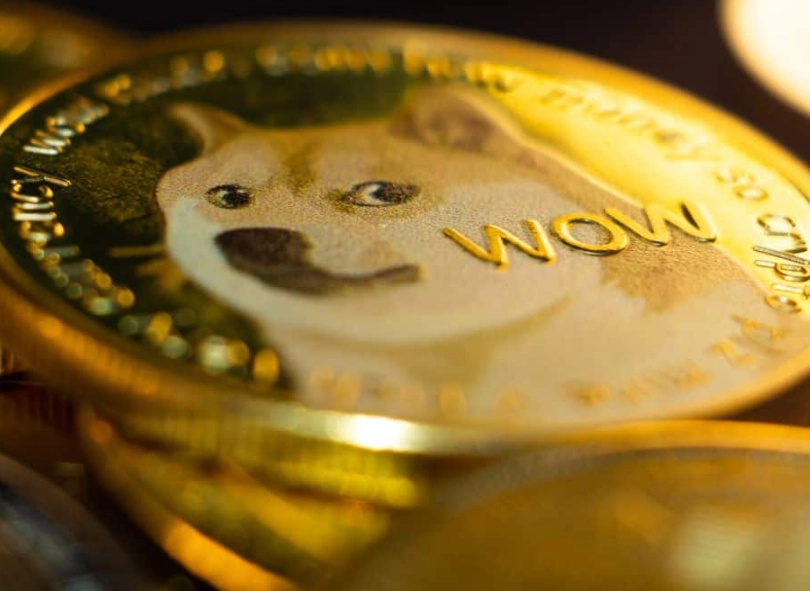
At their core, memecoins are cryptocurrencies that derive their value primarily from internet culture and community sentiment, rather than underlying technology or real-world utility. Their branding is their biggest asset.
This isn't just about making fun of the system anymore. It's a multi-billion dollar market sector that has reshaped how people think about investing, community, and value itself. But for every story of life-changing gains, there are a hundred untold stories of people losing money on projects that vanished overnight.
Where Did This All Start? A Brief, Weird History
You can't talk about memecoins without starting with the OG: Dogecoin (DOGE). Created in 2013 by software engineers Billy Markus and Jackson Palmer, it was designed to be the "fun" alternative to Bitcoin. They took the popular "Doge" meme of a Shiba Inu dog and slapped it on a cryptocurrency that was technically a fork of Litecoin. The code was nothing new. The magic was in the community—a friendly, tipping-focused group that raised money for charities and the Jamaican bobsled team.
For years, DOGE lived in its niche. Then came 2020-2021. A perfect storm of retail trading apps, pandemic boredom, and social media hype, supercharged by celebrities like Elon Musk, turned the joke into a serious market force. At its peak, Dogecoin's market capitalization touched nearly $90 billion. Let that sink in. Ninety billion dollars for a coin started as a joke.
This success became the blueprint. If DOGE could do it, why not another dog? Enter Shiba Inu (SHIB), branding itself as the "Dogecoin Killer." It had no direct connection to DOGE but brilliantly rode the wave of canine-themed crypto mania. Then came a flood of others: Floki, Samoyedcoin, even coins based on political figures and cartoon characters. The memecoin genre was born.
The Anatomy of a Memecoin: What Actually Makes Them Tick?
Forget white papers filled with technical jargon about consensus mechanisms. The blueprint for a modern memecoin is different. It's about cultural capture. Here’s what they usually have:
- A Relatable Meme or Character: This is the hook. A cute animal, a viral tweet, a recognizable face. It needs to be instantly shareable.
- A Strong, Loud Community: Found primarily on Twitter (now X), Reddit (like r/cryptocurrency), and especially Telegram and Discord. The community's job is to create and sustain hype.
- Celebrity or Influencer Endorsement: A single tweet from a major figure can cause a price to double or crash. It's a central point of vulnerability and power.
- Low Entry Price (Psychologically): Many memecoins have a huge total supply, making the price per coin a fraction of a cent. People feel they can own "millions" of coins, which feels more exciting than owning 0.001 of a Bitcoin.
- Often, a Lack of Clear Utility: While some later try to build games or NFTs on top, the initial pitch is rarely about solving a complex problem. It's about being part of a movement.
I've joined a few of these Telegram groups out of curiosity. The energy is chaotic. It's a mix of genuine excitement, constant price talk, memes, and a worrying amount of blind faith. You'll see people posting "TO THE MOON!" alongside others nervously asking why the price is dipping. It's a real-time look at crowd psychology.
The Allure: Why Are People So Drawn to Memecoins?
It's easy for traditional investors to scoff. But the appeal is real and multifaceted.
The Democratization of Speculation: Anyone with a smartphone and $10 can play. It feels like getting in on the ground floor of something, a sensation rarely available in regulated stock markets.
Community and Belonging: In an increasingly online world, being part of a dedicated, mission-driven (even if that mission is just "make number go up") community is powerful. You're not just holding an asset; you're part of a tribe.
The Lottery Ticket Mentality: People know the odds are long, but the potential payoff is life-altering. It's the same psychology that drives people to buy lottery tickets, but with more active participation.
FOMO (Fear Of Missing Out): When you see posts about astronomical gains, it triggers a primal fear of being left behind. This is perhaps the most powerful driver of all.
The Dark Side: Risks That Can't Be Ignored
Okay, let's get serious. This is where I have to give you the hard truth. The memecoin space is the wild west of finance. The potential for loss is enormous, and it's structured in ways that often benefit insiders, not the average person jumping in from Twitter.
This is critical: You should never invest money in memecoins that you cannot afford to lose entirely. Consider it money spent on entertainment, not an investment.
Top Risks of Investing in Memecoins
| Risk Factor | What It Means | Real-World Example |
|---|---|---|
| Extreme Volatility | Prices can swing 50% or more in a single day based on a tweet or rumor. This can wipe out gains (or capital) in minutes. | Many memecoins experience "pump and dump" cycles daily on smaller exchanges. |
| Liquidity Traps | You might own coins worth a lot on paper, but if no one is willing to buy them when you want to sell, you're stuck. Low liquidity coins are especially dangerous. | Smaller, newer memecoins on decentralized exchanges (DEXs) often have very thin order books. |
| Rug Pulls & Scams | The developers abandon the project and run away with the investors' funds. This is rampant. The anonymous nature of crypto makes it easy. | Hundreds of projects on platforms like Solana or BSC Chain disappear weekly. Sites like CoinMarketCap track major coins, but many scams never make it there. |
| No Fundamental Value | Price is 100% driven by sentiment. When sentiment shifts, there's no "book value" or earnings to fall back on. The price can go to zero and stay there. | Countless dead memecoins with zero trading volume litter the blockchain. |
| Regulatory Uncertainty | Governments worldwide are still figuring out how to regulate crypto. Memecoins, often seen as pure securities, could face harsh crackdowns. | The U.S. Securities and Exchange Commission (SEC) has increased scrutiny on crypto offerings. |
I fell for a small rug pull once. It was a coin themed around a popular video game. The website looked professional, the Telegram group was active. I put in a small amount. For two days, the price went up. Then, one morning, the website was down, the Telegram group was deleted, and the coin's liquidity was gone. My money was just... gone. It was a cheap lesson, but a vital one.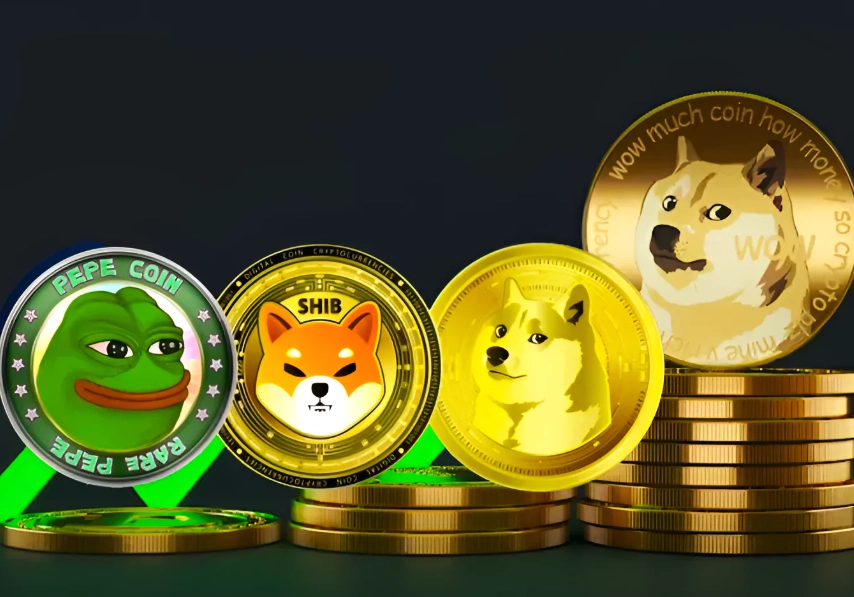
A Pragmatic Approach: If You Decide to Explore
Let's say you've read all the warnings and still want to dip a toe in. How do you do it without getting completely washed out? Here’s a framework I've developed from watching this space, making small bets, and talking to others.
Step 1: The Mindset Shift
This is not investing. Call it speculating, trading, or even gambling. Allocate a tiny portion of your portfolio—the "for fun" money. This mental separation is your first and most important line of defense.
Step 2: Research (Yes, Really)
Even for memes, do some homework.
- Check the Contract: For coins on Ethereum, BSC, or Solana, you can look up the token contract on a block explorer like Etherscan or Solscan. Is it verified? Has the creator renounced ownership (a good sign against rug pulls)?
- Liquidity is King: Where is the coin traded? Is it on a major centralized exchange (CEX) like Binance or a decentralized one (DEX)? Check the trading volume and liquidity pool size. Higher is safer.
- Community Vibe: Lurk in the Telegram/Discord. Is it all hype and price talk, or is there genuine discussion? Are the moderators responsive? A toxic or purely greedy community is a red flag.
- Use Data Aggregators: Don't just trust promotional tweets. Use sites like CoinGecko or CoinMarketCap to check market cap, volume, and circulation supply objectively.
Step 3: The Mechanics of Buying
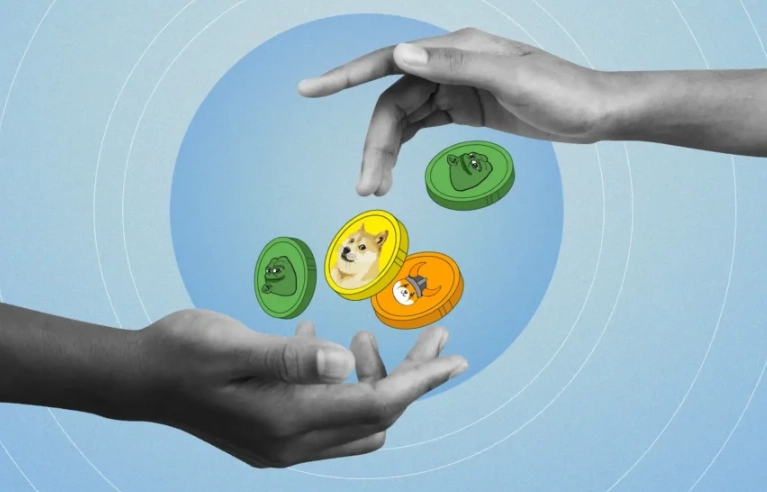
For major memecoins like DOGE or SHIB, you can buy directly on exchanges like Coinbase or Kraken. For newer ones on DEXs, the process is more complex: you need a wallet like MetaMask, fund it with crypto (like ETH or SOL), connect to a DEX like Uniswap or Raydium, and swap. This introduces more steps and more risk (like approving malicious contracts). Go slow.
Step 4: Have an Exit Strategy
Before you buy, decide: Are you holding for a long-term moonshot or trading short-term swings? Set a target price to take some profit and a stop-loss (or mental line) where you'll sell to limit losses. And stick to it. Emotion is your worst enemy here.
Pro Tip: The classic strategy some use is "take out your initial investment." If your $100 turns into $300, sell $100 worth. Now you're playing with "house money," which reduces emotional stress.
Beyond the Hype: Are Memecoins Good for Crypto?
This is a heated debate. Critics say memecoins are a distraction that brings reckless speculation and bad press, undermining the serious technological promise of blockchain. They attract regulatory scrutiny that could stifle innovation for everyone.
Proponents argue they are a gateway. Millions of people bought their first crypto to get DOGE or SHIB. They learned about wallets, exchanges, and private keys. This onboarding effect is massive. Furthermore, they demonstrate the power of decentralized community building in a way no corporate blockchain project ever could.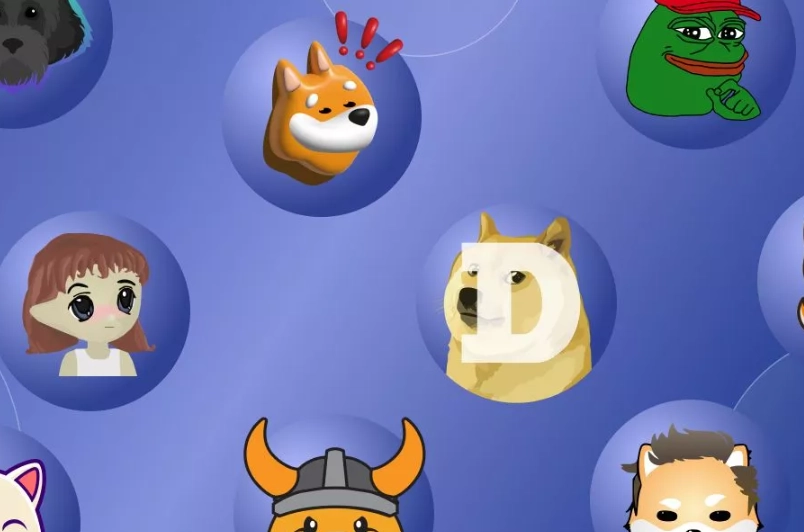
My take? It's a double-edged sword. The attention and capital inflow are undeniable. But the sheer volume of scams and the perception of crypto as a casino are damaging. The ecosystem needs both: the serious builders and the cultural phenomena. The key is for participants to know which is which.
Your Memecoin Questions, Answered
What's the difference between a memecoin and a regular cryptocurrency like Bitcoin or Ethereum?
Bitcoin aims to be digital gold—a decentralized store of value. Ethereum is a decentralized global computer for running applications (DeFi, NFTs). Their value propositions are tied to their technology, security, and network effects. A memecoin's value is tied almost exclusively to its cultural relevance and community hype. It's the difference between investing in a company's stock and buying a collectible trading card based on an internet joke.
How can I spot a potential memecoin scam (rug pull)?
Red flags are everywhere: anonymous developers who won't doxx themselves, promises of guaranteed returns, pressure to buy immediately ("pre-sale almost sold out!"), locked social media comments, and a contract where the developers hold a huge percentage of the supply with the ability to sell at any time. If something feels too good to be true, it almost always is. The Binance Academy has great educational resources on common crypto scams.
I bought a memecoin and now it's down 80%. What should I do?
First, don't panic and throw good money after bad trying to "average down." Revisit your initial reason for buying. Has the narrative broken? Is the community dead? Was it always a pure gamble? If you've lost faith in the project's ability to recover, cutting your losses is often the healthiest financial and emotional move. Remember the money you allocated was "for fun" and likely money you could afford to lose. Learn from the experience.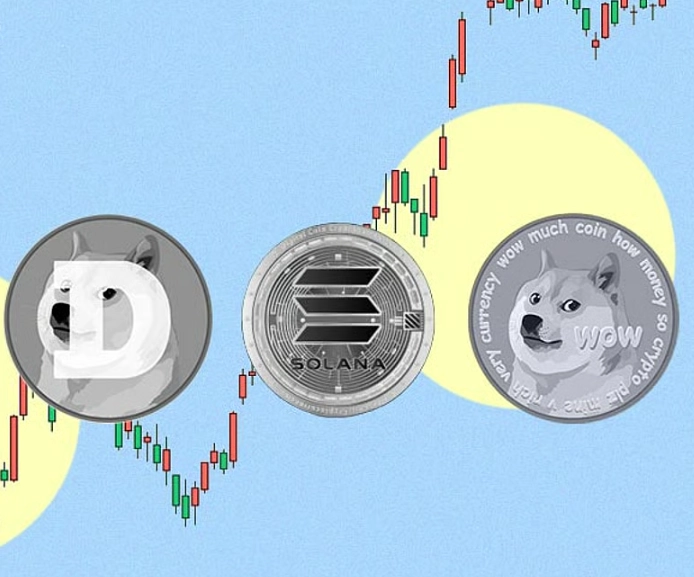
Could any memecoin actually have long-term utility?
It's possible, but it requires a pivot. A coin that starts as a meme could, if its community and treasury are strong enough, fund the development of actual products—a game, a social media platform, a charity DAO. Dogecoin, for example, has found a niche as a tipping currency and a medium for small online transactions due to its low fees and fast block times. The meme gets people in the door; utility (if it arrives) keeps them.
Where is the best place to stay updated on memecoin trends safely?
Follow reputable crypto news aggregators like CoinDesk or The Block for macro trends. For on-the-ground sentiment, Twitter/X can be useful but is a minefield of shills. Follow analysts who are known for critical thinking, not just hype. And always, always double-check information. A trending topic is not an investment thesis.
Wrapping It Up: The Final Word on Memecoins
Look, the world of memecoins is fascinating. It's a live-action experiment in mass psychology, digital community, and what we collectively decide has value. There's real energy and creativity there. For some, it's been incredibly profitable. For many, many others, it's been a way to lose money quickly.
The key takeaway is to understand exactly what you're dealing with. This isn't traditional finance. It's a high-risk, sentiment-driven arena where the rules are unwritten and the house edge is often hidden.
If you choose to participate, do so with eyes wide open, money you can laugh about losing, and a healthy dose of skepticism. Enjoy the memes, learn about the technology underneath, but never confuse a viral trend with a sound investment. The crypto landscape is vast, and memecoins are just one colorful, chaotic, and compelling part of it.
And hey, maybe keep an old wallet handy. You never know when that joke coin you forgot about might just pay for dinner again.
Reader Comments