Your Quick Guide to Bitcoin Stocks
Let's be real, when you type "bitcoin stock" into Google, you're probably not looking for a lecture on corporate finance. You want to know how to get a piece of the Bitcoin action through the stock market. Maybe you're not ready to deal with crypto exchanges and digital wallets. Or perhaps your retirement account is sitting in a boring old brokerage, and you want to spice it up with some crypto exposure without breaking the rules. I get it. I was in the same boat a few years ago.
The term "bitcoin stock" is a bit of a misnomer, and that's where the confusion starts. Bitcoin itself isn't a stock. It doesn't trade on the NASDAQ or NYSE. It's a decentralized digital currency. But the massive interest in it has spawned an entire ecosystem of publicly traded companies whose fortunes are tied to Bitcoin's price, its underlying technology, or the services built around it. That's what people are really searching for.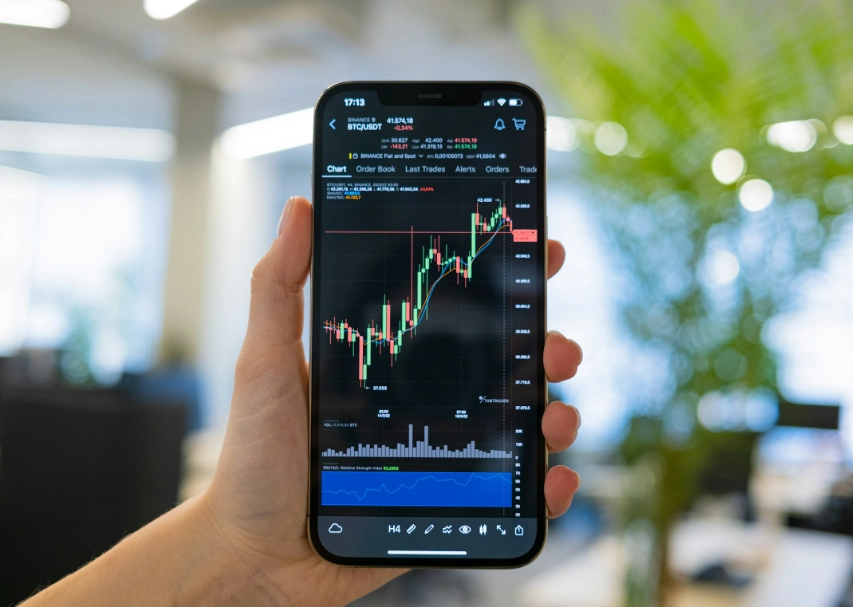
So, if you can't buy shares of "Bitcoin Inc.," what can you buy? That's what we're going to unpack. We'll look at the backdoor ways to invest in Bitcoin through the stock market, weigh the pros and cons of each, and I'll even throw in some personal opinions on which routes feel more sustainable than others. Spoiler: some of these so-called "bitcoin stocks" are fantastic long-term bets, while others feel more like riding a rollercoaster blindfolded.
The Big Misunderstanding: Bitcoin Isn't a Stock (And Why It Matters)
This is the foundational piece you need to understand. Buying a stock means you're buying ownership in a company. You get a share of its assets and future profits. You can vote on company matters. Bitcoin doesn't have a CEO, a board of directors, or quarterly earnings reports. Its value is driven by adoption, scarcity, sentiment, and macroeconomic factors. The U.S. Securities and Exchange Commission (SEC) has been very clear that Bitcoin is considered a commodity, like gold or oil, not a security.
Why does this legal distinction matter to you?
It changes everything about how you access it. You can't just log into your Fidelity or Vanguard account and type "BTC" to buy Bitcoin directly (at least, not in the traditional sense). This regulatory gap is the very reason the ecosystem of "bitcoin-adjacent" stocks and funds exploded. They are the bridges built for traditional investors to cross into the crypto world.
I remember trying to explain this to my dad. He kept asking, "So which company's stock is Bitcoin?" It took a while for him to grasp that there wasn't one. The lightbulb moment came when I compared it to gold. You can buy physical gold, or you can buy stock in a gold mining company like Newmont. One is the raw commodity; the other is a business that profits from it. Bitcoin works the same way.
Your Real-World Options: The Three Paths to "Bitcoin Stock" Exposure
Okay, enough with what it isn't. Let's talk about what it is. If your goal is to have your stock portfolio move somewhat in sync with Bitcoin's price, you have three main avenues. I've ranked them here from the most direct correlation to the most indirect (and often more interesting).
Path 1: Bitcoin ETFs – The Almost-Direct Route
This is the biggest game-changer for the "bitcoin stock" search. A Bitcoin Exchange-Traded Fund (ETF) is as close as you can get to buying the commodity itself through your stock broker. These ETFs don't hold stocks; they hold actual Bitcoin. When you buy a share of a Bitcoin ETF, you own a fractional interest in the fund's underlying Bitcoin holdings. The fund's share price is designed to track the price of Bitcoin.
The launch of spot Bitcoin ETFs in the U.S. in early 2024, after years of regulatory back-and-forth, was a watershed moment. The SEC's eventual approval gave traditional investors a regulated, familiar vehicle. You can now buy and sell these ETFs in your regular brokerage account just like you would SPY or QQQ.
Here’s a quick look at some of the major players:
| ETF Ticker | Fund Name | Key Differentiator | My Take (Personal Opinion) |
|---|---|---|---|
| IBIT | iShares Bitcoin Trust | Backed by BlackRock, the world's largest asset manager. Huge brand trust. | The 800-pound gorilla. Lowest fee among the early giants. Feels like the "safe" institutional choice. |
| FBTC | Fidelity Wise Origin Bitcoin Fund | From Fidelity, a trusted name for millions of retail investors. | Zero fee for the first while was a killer move. Great for existing Fidelity customers. |
| GBTC | Grayscale Bitcoin Trust | The pioneer, converted from a trust to an ETF. Holds the most Bitcoin. | Has a history of trading at wild premiums/discounts. The higher fee is a turn-off for me now that there's competition. |
| BITB | Bitwise Bitcoin ETF | Crypto-native asset manager. Publishes on-chain verification daily. | I like the transparency push. Appeals to those who want "proof of reserves" for their ETF. |
The pros of this path are huge:
- Simplicity: It's just a ticker symbol. No wallets, no private keys.
- Tax Efficiency (in some accounts): Held in a retirement account? Potentially simpler tax treatment than direct crypto.
- Security: The ETF sponsor (like BlackRock or Fidelity) handles the secure custody of the Bitcoin.

But it's not perfect:
- You Don't Own the Bitcoin: You can't use ETF shares to buy a pizza (not that you would). You have a financial claim, not the crypto asset itself.
- Fees: They charge an expense ratio (typically 0.2%-0.3%), which is a drag direct Bitcoin holders don't have.
- Counterparty Risk: You're trusting the fund issuer and its custodians. It's highly regulated, but it's a different risk profile than holding your own keys.
For most people just dipping their toes in, a Bitcoin ETF is probably the best answer to their "bitcoin stock" question. It solves the core problem simply.
Path 2: Bitcoin Mining Stocks – The Leveraged Play
This is where things get volatile and, frankly, more fascinating. Bitcoin mining companies are businesses. They build massive data centers full of specialized computers (ASICs) that solve complex math problems to secure the Bitcoin network and, in return, earn newly minted Bitcoins as a reward. Their stock isn't just a proxy for Bitcoin's price; it's a proxy for their ability to mine Bitcoin profitably.
This creates leverage. If Bitcoin's price goes up, the value of the coins they mine and hold on their balance sheet goes up. But their operational costs (mainly electricity) are largely fixed. This can lead to their stock price rising more than Bitcoin's in a bull market. The reverse is brutally true in a bear market. A falling Bitcoin price can squeeze their margins to zero, making their stock plummet.
I learned this the hard way. I bought a mining stock during a hype cycle, only to watch it fall 70% while Bitcoin itself "only" fell 50%. It was a lesson in operational risk.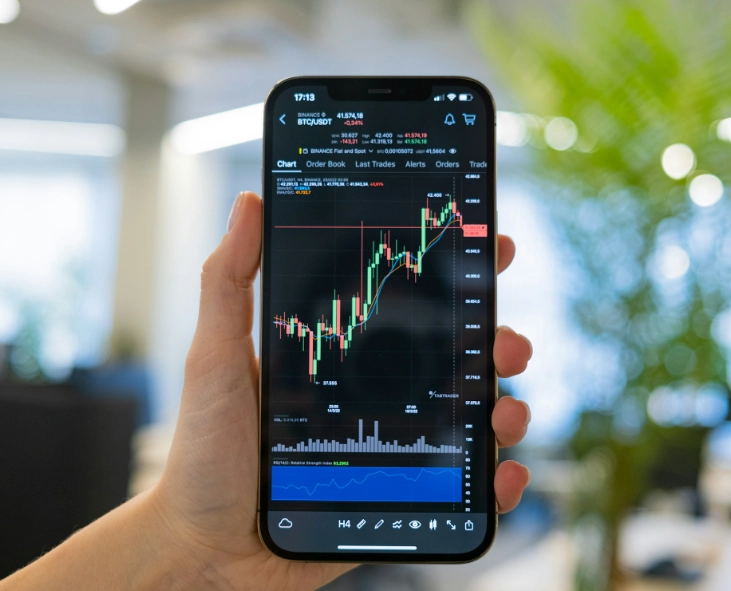
What to look for in a mining stock: Don't just pick the biggest name. Look at their hashrate (computing power), their energy cost per coin (the lower the better), their energy mix (green energy is a growing ESG concern), and their balance sheet (are they drowning in debt from buying machines?). Companies like Marathon Digital (MARA) and Riot Platforms (RIOT) are the public faces, but the landscape is competitive.
Mining stocks are for investors with a higher risk tolerance who understand the business mechanics. They're a bet on both Bitcoin's price and a specific company's execution. Calling them a pure "bitcoin stock" is a bit misleading; they're a tech/industrial play on crypto.
Path 3: Blockchain & Crypto Infrastructure Stocks – The Indirect Bet
This is my favorite category for long-term thinkers. These are companies that provide the picks and shovels for the crypto gold rush. They don't necessarily hold Bitcoin on their balance sheet, but their revenue grows as the crypto ecosystem grows.
- Exchanges: Coinbase (COIN) is the prime example. Its trading fees, subscription revenue, and staking income are all tied to crypto activity. More users and more trading volume mean more money for Coinbase. Its stock can be highly correlated to crypto market sentiment.
- Hardware Manufacturers: Nvidia (NVDA) and AMD (AMD) make the GPUs that are used for some mining (less so for Bitcoin now) and are fundamental to AI and gaming. Their connection to crypto is more historical and indirect now, but they remain critical tech infrastructure providers.
- Financial Infrastructure: Companies like PayPal (PYPL) and Block (SQ) that have integrated crypto buying/selling into their platforms. Their core business is much broader, but crypto is a growing segment.
Investing here is a bet on the adoption of blockchain technology and digital assets as a whole, not just Bitcoin's price. If you believe crypto is here to stay and will become part of the financial fabric, these can be powerful holdings. The correlation to Bitcoin's price is less direct but still significant during major market swings.
A Word of Caution: Don't assume every company with "blockchain" in its name is a good investment. The late 2010s saw a parade of "pivot to blockchain" announcements from struggling companies trying to catch a hype wave. Always look at the actual revenue model.
Bitcoin Stock vs. Just Buying Bitcoin: A Side-by-Side Reality Check
Let's cut through the noise. Is going the "stock" route even the right move? Maybe you should just buy Bitcoin directly. Here’s a blunt comparison.
| Feature | Buying a Bitcoin ETF/Stock | Buying Bitcoin Directly |
|---|---|---|
| Ownership | You own a share in a fund or company. | You own the cryptographic asset itself. |
| Custody | Broker or fund holds it for you. | You are responsible (hardware wallet, etc.). |
| Access & Use | Purely an investment. Can't spend it. | Can be used as currency, collateral, in DeFi. |
| Tax Treatment (U.S.) | ETF: Treated like a stock. Mining Stock: Treated like a stock. | Property. Every trade is a taxable event. |
| Ease for Beginners | Extremely easy. Use your existing brokerage account. | Steeper learning curve (wallets, keys, security). |
| Risk Profile | Market risk + Fund/Company risk. | Market risk + Self-custody risk (lose keys = lose funds). |
My personal strategy? I do both. The core of my long-term Bitcoin holding is in a cold wallet—that's my "digital gold" stash I don't plan to touch. But I also allocate a portion to a Bitcoin ETF in my IRA for tax efficiency and to mining stocks (cautiously) for potential amplified gains. Diversification even within a single asset class isn't a crazy idea.
How to Actually Start Investing: A No-Fluff Guide
You've decided you want some exposure. Here’s how to move from thinking about "bitcoin stock" to actually owning it.
Step 1: Pick Your Poison.
Are you the ETF person (set-it-and-forget-it), the mining stock speculator, or the infrastructure believer? Your risk tolerance should guide this. If you're unsure, start with a small position in a major Bitcoin ETF like IBIT or FBTC.
Step 2: Open or Use a Brokerage Account.
Any major online broker works: Fidelity, Charles Schwab, Vanguard, E*TRADE, TD Ameritrade (now Schwab), Robinhood. If you're already investing in stocks, you're already there. This is the biggest advantage—no new apps needed.
Step 3: Do Your Homework (Even Just a Little).
For ETFs: Compare expense ratios and assets under management (AUM) on the sponsor's website or a site like ETF.com.
For Stocks: Don't just read hype on Reddit. Look at the company's latest quarterly report (10-Q) filed with the SEC's EDGAR database. What's their debt? Their revenue trend? Their energy cost?
Step 4: Place Your Order.
It's just like buying Apple or Tesla. Use a limit order if you're picky about price, a market order if you just want in. Start small. Get a feel for how it moves.
Step 5: Manage Your Expectations and Your Portfolio.
This isn't a stable blue-chip. Volatility is the name of the game. Don't invest money you'll need next year. And for heaven's sake, don't put all your eggs in this basket. Treat it as a strategic satellite holding—a small percentage of your overall portfolio (5% or less is a common suggestion).
Final Thoughts: Navigating the Hype
The search for "bitcoin stock" is ultimately a search for legitimacy and accessibility. People want in on the potential of digital assets but through the trusted, familiar channels of the stock market. That's a perfectly rational desire.
The landscape now offers real, substantive options. The Bitcoin ETFs are a revolutionary product that finally bridges the two worlds. Mining stocks offer a high-octane, business-driven angle. Infrastructure stocks let you bet on the ecosystem's growth.
The Bottom Line: You no longer have to force a square peg into a round hole. You can build a sensible, regulated portfolio that captures Bitcoin's potential without ever downloading a crypto wallet. Just understand what you're really buying: a financial product linked to an asset, not the asset itself. Do your research, start small, and ignore the noise. The best "bitcoin stock" strategy is the one you understand and can stick with through the inevitable volatility.
And remember, just because it's traded on a stock exchange doesn't make it safe. The crypto world, even in its stock-market clothing, is still a young, volatile frontier. Invest accordingly.
Reader Comments