Let's cut through the noise. When people hear "Polkadot crypto," they often just think of the DOT token price. That's like looking at a smartphone and only seeing the battery icon. You're missing the entire operating system. Polkadot isn't trying to be a faster Bitcoin or a more scalable Ethereum clone. Its entire reason for being is to solve a fundamental Web3 problem: isolated blockchains that can't talk to each other securely. I've watched countless projects promise interoperability, only to deliver fragile bridges that get hacked. Polkadot's approach is different, and frankly, it's the only one that makes long-term sense if we want a real multi-chain future.
What's Inside: Your Polkadot Roadmap
What Polkadot Actually Is (And Isn't)
Forget the complex diagrams for a second. Imagine a bustling city (the Polkadot network). The city hall is the Relay Chain. It doesn't run shops or factories; its sole job is consensus, security, and cross-chain coordination. The individual districts and specialized zones are the parachains. Each district can have its own rules, economy, and purpose—one might be for decentralized finance (DeFi), another for gaming, another for identity verification. The key is that they all benefit from the city-wide security provided by city hall, and they can send messages and assets between districts safely through approved channels, not through risky back alleys.
This is shared security. It's Polkadot's killer feature. A new project (a parachain) doesn't need to bootstrap its own validator set from scratch, a process that often leads to centralization or vulnerability. It plugs into the Relay Chain's security from day one. The other half of the equation is the Cross-Consensus Message Format (XCM). This isn't a bridge; it's a standardized language that allows parachains to understand each other. A token transfer from Acala (a DeFi parachain) to Moonbeam (an EVM-compatible parachain) isn't a wrapped asset on a bridge—it's a native message understood by both.
Where do people get it wrong? They compare DOT's market cap to SOL or ADA and call it a failure. That's missing the point. Polkadot's value is measured by the strength and activity of its parachains, not just the price of the gas token that secures them. It's an ecosystem play, not a singular chain play.
The DOT Token: Staking, Governance, and Bonds
DOT has three primary uses, and only one is about paying fees (which are minimal).
Staking for Security: This is the big one. By staking DOT, you help secure the Relay Chain. In return, you earn staking rewards, typically in the 8-15% APY range. This isn't just a reward scheme; it's the economic engine that disincentivizes attacks. More on the mechanics below.
Governance: Holding DOT gives you a say in the network's future. You can vote on referenda to upgrade the protocol, adjust parameters like staking rewards, or even decide which community projects get funding from the treasury. This is on-chain, binding governance, not a suggestion box.
Bonding for Parachains: This is unique. Projects must bond (lock up) a large amount of DOT to secure a parachain slot in an auction. Crowdloan contributors lock their DOT to support their favorite project for up to 96 weeks. You don't "spend" it; you get it back when the lease ends. This mechanism allocates scarce parachain slots to the projects with the strongest community support.
The fee-paying use case is almost an afterthought. Transaction fees on the Relay Chain are low and predictable, and parachains can have their own fee models.
A Realistic Polkadot Staking Guide
Everyone talks about the APY, but few explain the pitfalls. I learned this the hard way early on by nominating a validator who got slashed. Here’s what you need to know beyond the basics.
The Noming Pool Trap
Direct staking requires a minimum (which fluctuates, but has been ~10 DOT). To get around this, Polkadot created Nomination Pools. They're great for small holders, but here's the catch: you lose your governance rights. The pool operator votes on your behalf. If decentralized governance matters to you, this is a trade-off.
How to Pick Validators (The Right Way)
Don't just sort by APY. That's a rookie move. You need to check three things:
- Commission: This is the fee the validator takes. 100% commission means they keep all rewards (used by some for testing). Aim for a reasonable rate, like 3-10%.
- Self-Stake: How much DOT have they bonded themselves? A high self-stake means they have skin in the game.
- Identity: Have they verified an on-chain identity? It's a sign of a professional, long-term operator.
You should nominate at least 16 validators. The algorithm will automatically stake with the active ones. This spreads your risk. If one gets slashed or goes offline, your funds are still earning with the others.
| Action | Why It Matters | Common Mistake |
|---|---|---|
| Nominating 16+ Validators | Diversifies risk, ensures consistent rewards. | Nominating just 1 or 2, leading to zero rewards if they're oversubscribed. |
| Checking Commission & Self-Stake | Ensures validator alignment and fair profit share. | Chasing the highest APY without checking fees. |
| Using a Non-Custodial Wallet | You control your keys and rewards. | Staking on a centralized exchange for "convenience," giving up control and governance. |
| Understanding Unbonding Period | It takes 28 days to unbond DOT. Plan ahead. | Panic-selling during a dip and being locked for a month. |
Navigating the Parachain Ecosystem
The parachains are where the action is. Think of them as specialized apps built on Polkadot's foundational security. Here’s a snapshot of some key players:
- Acala: The DeFi hub. Stablecoin (aUSD), liquid staking, and a DEX. It's often the first stop for DeFi activity.
- Moonbeam: Ethereum compatibility. Developers can deploy Solidity smart contracts with minimal changes, tapping into the huge Ethereum tooling and dev community.
- Astar: Supports multiple virtual machines (Wasm and EVM) and has a strong focus on dApp staking, rewarding developers.
- Parallel Finance: A lending and borrowing protocol that also offered liquid staking, though it's had its share of challenges.
- HydraDX: An ambitious automated market maker (AMM) designed as a single, vast liquidity pool (the "Omnipool").
Participating in a crowdloan is a major commitment. You lock DOT for up to two years. In return, you typically get the parachain's native token. Do your homework. Is the token distribution fair? Does the project have a real product, or just a whitepaper? Would you buy this token on the open market? If the answer is no, maybe just stake your DOT instead.
Choosing a Wallet and Security Basics
You can't use MetaMask for native Polkadot assets (though you can for EVM chains like Moonbeam). You need a Substrate-based wallet.
Polkadot-JS UI: The official, powerful, and... intimidating interface. It's the Swiss Army knife for power users—staking, governance, crowdloans. The learning curve is steep, but it gives you the most control.
Talisman & Nova Wallet: The user-friendly alternatives. Talisman (a browser extension) and Nova (a mobile app) offer beautiful interfaces, easy staking, and portfolio tracking. They abstract away the complexity of Polkadot-JS. For 95% of users, these are the best starting points.
Ledger & Polkadot Vault: For cold storage. Always use a hardware wallet for significant holdings. The integration is seamless.
One specific security tip: When interacting with a dApp on a parachain, you're signing transactions for that parachain, not the Relay Chain. The permissions are granular. Always verify the origin of the transaction prompt.
The Road Ahead for Polkadot
The next big upgrade is Agile Coretime. Right now, parachains lease slots for 96 weeks in a complex auction. Coretime will allow projects to rent block space monthly or even per-block, like buying cloud computing resources. This lowers the barrier to entry dramatically and should make the ecosystem more dynamic.
The other trend is Ecosystem Chains—parachains dedicated to serving a specific industry or community, like gaming or real-world assets (RWA).
My view? Polkadot's technical foundation is arguably the strongest in crypto. Its challenge has always been marketing and developer mindshare. While others hype speed, Polkadot built for security and sovereignty. That's a long-term bet. As the industry matures and the devastating hacks on cross-chain bridges continue, Polkadot's value proposition of native, secure interoperability may finally get its moment.
It's not the flashiest project. But in a world where digital assets need to move safely, the strongest fortress might just win.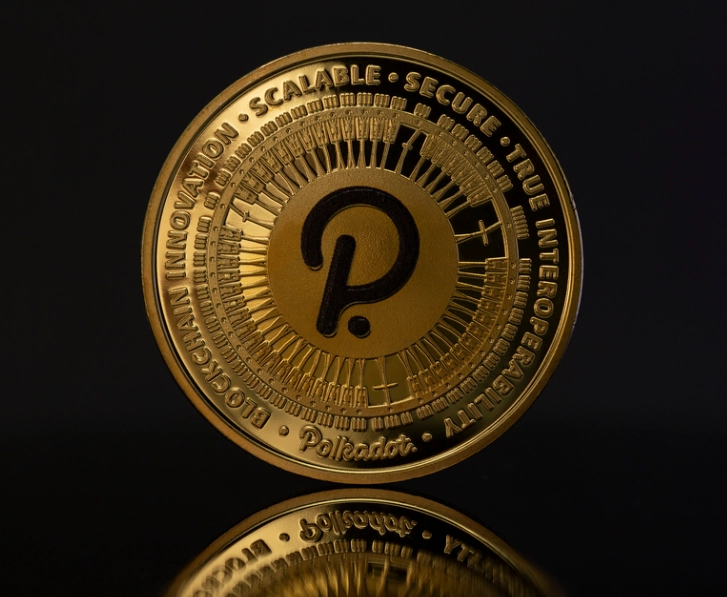
Reader Comments