Guide Highlights
- What Are You Actually Buying? Crypto Demystified.
- The Uncomfortable Truth: Risks You Can't Ignore
- Your First Steps: From Zero to Crypto Owner
- Not Your Keys, Not Your Crypto: The Wallet Dilemma
- Crafting Your Strategy: Beyond "Buy and Hope"
- The Boring (But Critical) Stuff: Taxes and Records
- Answering the Questions You're Actually Asking
- Final Reality Check
Look, I get it. You've heard the stories. The friend of a friend who bought Bitcoin in 2013 and is now on a beach somewhere. The endless news headlines screaming about the next "Ethereum killer." The quiet, nagging fear that you're missing out on the future of money. It's enough to make anyone's head spin.
I remember the first time I sent a few hundred dollars worth of Bitcoin. My hand was literally shaking over the mouse. Where was it going? Was I typing the address right? What if it just... vanished? That feeling of handing over your hard-earned cash into this digital void is real, and no amount of slick marketing from crypto influencers will change that.
This isn't going to be one of those fluffy, cheerleading articles that tells you to "just HODL" and you'll be rich. This cryptocurrency investment guide is for the person who's curious but cautious, excited but terrified of losing their shirt. We're going to walk through the whole messy, confusing, but potentially rewarding world of crypto, step by step. Think of it as a map for a landscape that changes daily. We'll cover the basics you must know, the brutal risks everyone glosses over, and the practical strategies that don't rely on luck.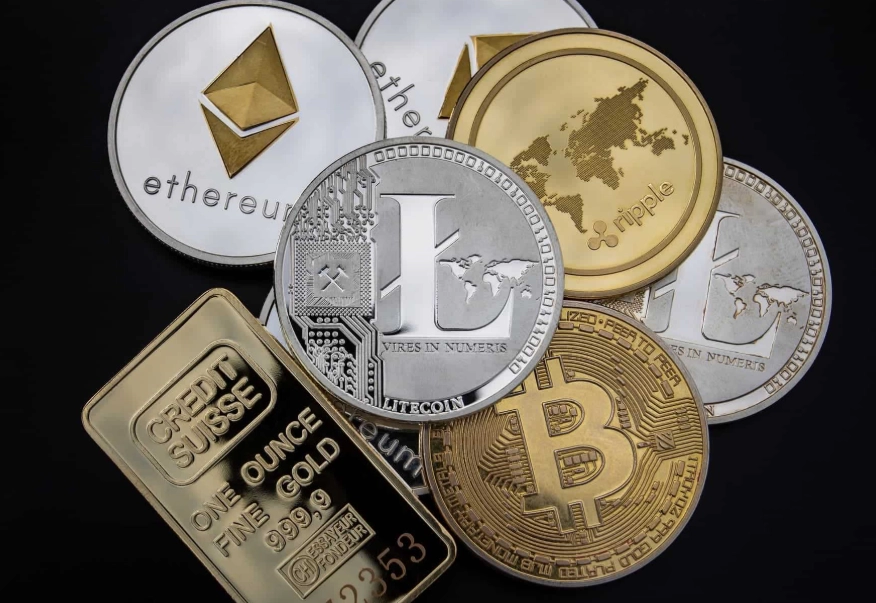
My goal here is simple: to give you the tools and perspective to make your own informed decisions. Not to shill coins. Let's begin by stripping away the jargon.
What Are You Actually Buying? Crypto Demystified.
Before you put a single dollar in, you need to understand what the asset is. This is the most skipped step in any cryptocurrency investment guide.
At its core, a cryptocurrency is a digital asset built on a technology called blockchain. Imagine a giant, public spreadsheet that records every transaction. This spreadsheet isn't stored on one company's server (like Google Sheets); it's copied across thousands of computers worldwide. That's the "decentralized" part. No single bank, government, or company controls it. The most famous example is, of course, Bitcoin, created as a peer-to-peer electronic cash system.
Key Takeaway: You're not buying a coin you can hold. You're buying a unique, digital entry on a massive, shared ledger. Your "ownership" is proven by a private key—a supremely complex password. Lose the key, lose your crypto. Forever.
Then you have "altcoins" (everything besides Bitcoin). Ethereum, for instance, isn't just digital money. It's more like a global, decentralized computer. People use it to run applications (called dApps) and create other digital assets like NFTs. Other projects aim to do everything from speeding up payments (Solana, Litecoin) to reimagining data storage (Filecoin).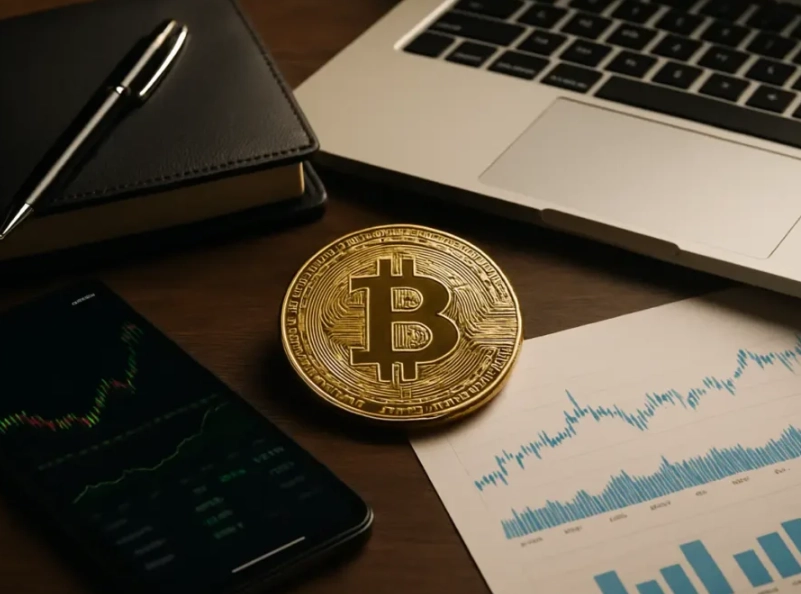
The space is sprawling. It helps to categorize what you're looking at:
- Store of Value/Payment Coins: Bitcoin, Litecoin. Their primary job is to be digital money.
- Smart Contract Platforms: Ethereum, Cardano, Solana. These are the foundations for building decentralized apps.
- Stablecoins: Tether (USDT), USD Coin (USDC). These are pegged to a "stable" asset like the US dollar. They're the on-ramp and off-ramp, letting you park money in crypto without the wild price swings.
- Meme Coins: Dogecoin, Shiba Inu. Often created as jokes, driven purely by community hype and social media. The riskiest of the risky.
See? It's not one thing. Your approach to investing in a bedrock asset like Bitcoin should be completely different from your approach to a new, experimental project in the Web3 space.
The Uncomfortable Truth: Risks You Can't Ignore
If you take only one thing from this cryptocurrency investment guide, let it be this section. The marketing focuses on the upside. A responsible guide forces you to stare at the downside.
Volatility That Will Test Your Nerves
Cryptocurrency markets are notoriously volatile. A 10% swing in a day is a quiet Tuesday. A 30% drop in a week happens. You need to be emotionally prepared for this. I've watched portfolios cut in half during market downturns. It's not a theoretical risk; it's a guarantee at some point. Ask yourself: if the value of my investment dropped by 50% tomorrow, would I panic-sell, or could I stick to my plan?
Security is YOUR Responsibility
In traditional finance, if your bank gets robbed, you're insured (up to a point). In crypto, if your exchange gets hacked or you get tricked into sending coins to a scammer, that money is gone. Poof. The U.S. Securities and Exchange Commission (SEC) and other regulators are playing catch-up. You are your own bank. That means securing your private keys, using two-factor authentication (NOT SMS-based!), and being paranoid about links and "too-good-to-be-true" offers.
Scam Alert: If someone DMs you on Twitter, Telegram, or Discord offering help or a "guaranteed return" investment, it is a scam. 100% of the time. No exceptions. Legitimate projects and support teams do not operate this way.
The Regulatory Gray Zone
Governments worldwide are still figuring out how to handle crypto. Is it a commodity? A security? Property? This uncertainty can lead to sudden crackdowns, exchange bans in certain countries, or tax implications that change. The regulatory landscape is a major wildcard that can affect prices and accessibility overnight.
Still with me? Good. If the risks haven't scared you off, it means you're approaching this with the right mindset. Now, let's get practical.
Your First Steps: From Zero to Crypto Owner
This is the "how-to" heart of our cryptocurrency investment guide. We'll go from fiat (your regular dollars/euros) to owning your first digital asset.
Step 1: Choosing a Platform (Exchange)
You need a place to buy. For beginners, a reputable, user-friendly centralized exchange (CEX) is the easiest start. Think of it as a crypto brokerage. You give them money, they hold your crypto initially, and you trade.
Here’s a quick comparison of a few major players to give you a feel:
| Exchange | Best For | Notable Features | Something to Watch |
|---|---|---|---|
| Coinbase | Absolute Beginners | Incredibly simple UI, strong security, educational content (Coinbase Earn). | Higher fees than some competitors. Can feel like you're paying for the simplicity. |
| Kraken | Beginners who value security & lower fees | Excellent security reputation, good customer support, robust trading features. | The interface, while powerful, can be a bit more intimidating than Coinbase's. |
| Binance | Experienced Traders / Wide Selection | Largest volume, hundreds of coins, lowest trading fees. | Faces significant regulatory scrutiny in some countries (like the US, where Binance.US is a separate, limited entity). Can be overwhelming. |
| Gemini | Security-Conscious Users in the US | Founded by the Winklevoss twins, strong regulatory compliance focus. | Smaller selection of coins than Binance or Kraken. |
My personal path started on Coinbase. The fees stung a bit, but for a total newbie, the confidence it gave me was worth it. Later, I branched out to other platforms for specific needs.
Step 2: Verification & Funding
Be prepared for "Know Your Customer" (KYC). You'll need your ID, maybe a selfie, and proof of address. It's a hassle, but it's the law for regulated exchanges and adds a layer of security. Once verified, link your bank account or debit card to deposit funds. Bank transfers (ACH) are usually cheapest but take a few days. Card purchases are instant but come with higher fees.
Step 3: Making Your First Purchase
Start simple. I'd suggest your first purchase be one of two things:
- A small amount of Bitcoin (BTC): The original. Treat it as your introduction to the market.
- A stablecoin like USDC: This lets you get money onto the platform and get comfortable without immediate price risk. You can then trade it for other assets later.
Use the "Buy" interface, select the asset, enter an amount you are completely comfortable losing (seriously), and confirm. Congratulations, you now own cryptocurrency. It will sit in your exchange wallet.
Pro Tip: Before you buy anything else, learn how to withdraw it to your own private wallet (next section). Knowing the exit is as important as knowing the entrance.
Not Your Keys, Not Your Crypto: The Wallet Dilemma
Leaving your crypto on an exchange is like leaving cash in a store's register. Convenient for frequent trading, but risky for long-term holding. Exchanges are honeypots for hackers. The mantra "Not your keys, not your crypto" exists for a reason.
For long-term storage, you need a wallet where you control the private keys. Here's the breakdown:
- Hardware Wallets (Cold Wallets): Physical devices like Ledger or Trezor. They store your keys offline, making them immune to online hacks. The gold standard for security. Costs $50-$150. Essential for any significant holdings.
- Software Wallets (Hot Wallets): Apps on your phone or computer (like Exodus, Trust Wallet). More convenient for smaller, active amounts, but because they're connected to the internet, they're more vulnerable than hardware wallets.
I bought a hardware wallet after my portfolio value crossed a personal threshold—the point where losing it would have caused real pain. Setting it up felt daunting, but the peace of mind is unmatched. You write down a 12-24 word "recovery phrase" on paper (never digitally!) and store it in a fireproof safe. That phrase IS your wallet; lose it, and you're back to square one.
Crafting Your Strategy: Beyond "Buy and Hope"
Okay, you have some crypto. Now what? Throwing money at random coins is gambling. A real cryptocurrency investment guide needs to offer strategic frameworks.
Dollar-Cost Averaging (DCA): The Sanity Saver
This is the most powerful tool for beginners. Instead of trying to time the market (a fool's errand), you invest a fixed dollar amount at regular intervals—say, $100 every Tuesday. When prices are high, your $100 buys less. When prices are low, it buys more. Over time, this smooths out volatility and removes emotion from the equation. Most major exchanges let you automate this. Just set it and forget it.
Portfolio Allocation: How Much is Too Much?
This is personal and depends on your risk tolerance. A common, conservative suggestion from many financial advisors is to limit crypto to 1-5% of your total investment portfolio. It's the speculative, high-risk/high-potential-reward slice. Never invest money you need for rent, bills, or emergency funds.
Researching a Project (DYOR)
Do Your Own Research. Never buy based on a tweet or a TikTok. Ask these questions:
- What problem does it solve? Is it a real problem, or a solution in search of one?
- Who is the team? Are they public with real credentials, or anonymous?
- Read the whitepaper. Don't understand the tech? That's a red flag to learn more or avoid it.
- Check the community. Look at their official Twitter, GitHub (is code being actively developed?), and subreddit. Is the discussion thoughtful, or just moon emojis and hype?
- Who is backing it? Are there reputable venture capital firms or known entities involved? Check news on sites like CoinDesk or CoinTelegraph for deeper analysis.
The Boring (But Critical) Stuff: Taxes and Records
In most countries, including the U.S., cryptocurrency is taxable property. Every time you trade, sell, or use crypto to buy something, it's a potentially taxable event. Even moving crypto from one wallet to another is not taxable. But selling it for fiat or trading it for another coin is.
This gets messy fast.
You need to keep meticulous records: dates of transactions, amounts in USD value at the time, cost basis (what you paid for it), and proceeds from sales. Use a crypto tax software like Koinly or CoinTracker. They connect to your exchange APIs and automate most of this nightmare. Trust me, the fee is worth it come tax season. The IRS has clear guidance on digital assets, and they are paying attention.
Answering the Questions You're Actually Asking
Final Reality Check
This whole journey is a marathon of learning. The technology is evolving. The regulations will shift. The prices will swing wildly. A solid cryptocurrency investment guide gives you the foundation, but you have to build the house.
Start slow. Prioritize security over everything else. Use dollar-cost averaging to build positions. Do your own research. And never, ever invest more than you can afford to lose. The space is full of brilliant innovation and equally brilliant scams. Your job is to tell the difference.
The potential of this technology is genuinely exciting—from decentralized finance to new forms of digital ownership. But as an investor, your first duty is to capital preservation. Be smart, be skeptical, and for heaven's sake, go buy a hardware wallet if you're in this for the long haul.
Good luck out there. You've got this.
Reader Comments