Ask ten people in crypto for the best crypto wallet, and you'll get eleven different answers. It's frustrating. The truth is, there's no single "best" option. The perfect wallet depends entirely on what you're doing. Are you trading daily, holding Bitcoin for a decade, or diving into DeFi? Each goal needs a different tool. Getting this choice wrong isn't just inconvenient—it can be expensive or even lead to total loss.
I've watched people make the same costly mistakes for years. The most common? Using an exchange like Coinbase or Binance as their primary wallet for large sums. It's like storing your life savings in your PayPal account. Convenient, sure. Smart? Not even close.
This guide cuts through the hype. We'll break down the three main wallet types, show you exactly who each one is for, and walk through the decision process with real examples. By the end, you'll know precisely where your crypto should live.
Quick Navigation: What You'll Learn
1. Hot, Cold, or Custodial? Understanding Your Options
Forget brands for a second. The fundamental choice is about who holds your private keys—the cryptographic strings that prove ownership of your assets. This boils down to three architectures.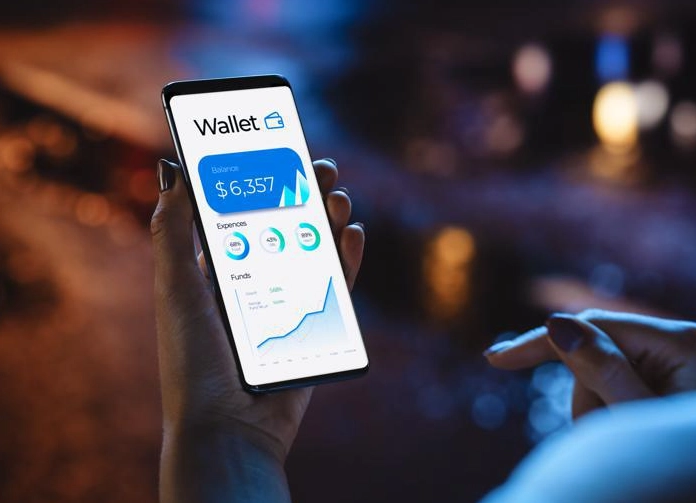
Custodial Wallets (The Exchange Account)
This is your Coinbase, Kraken, or Binance account. The exchange holds your private keys for you. You access your funds with a username and password (and hopefully 2FA).
Best for: Absolute beginners making their first purchase. Active traders who need instant liquidity. It's your crypto's "checking account."
The glaring downside: "Not your keys, not your crypto." If the exchange is hacked, goes bankrupt, or decides to freeze your account (it happens), you have zero recourse. You're trusting a third party completely. The history of crypto exchanges is a sobering read on this front.
My rule: Never store more in a custodial wallet than you're willing to lose overnight. Treat it as a temporary holding pen, not a vault.
Hot Wallets (Software / Mobile Wallets)
These are apps or browser extensions where you hold the private keys. They are "hot" because the device they're on is connected to the internet. Examples include MetaMask (for Ethereum), Phantom (for Solana), and Exodus (multi-chain).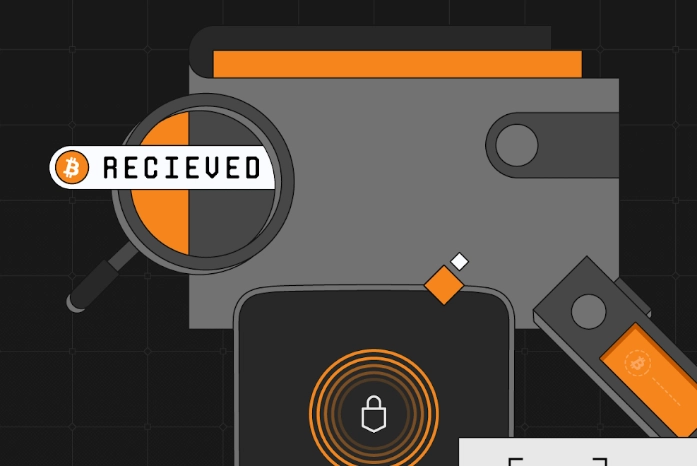
Best for: Interacting with decentralized applications (DeFi, NFTs). Making frequent, smaller transactions. Managing a diverse portfolio of altcoins.
They offer a great balance of self-custody and convenience. But your security is only as good as your device's security. A malware-infected computer can drain a hot wallet.
Cold Wallets (Hardware Wallets)
The gold standard for security. A physical device (like a USB stick) that stores your private keys completely offline. It only connects to sign transactions. Leading brands are Ledger and Trezor.
Best for: Long-term storage of significant amounts (your "HODL" stack). Anyone holding more than they'd be comfortable carrying in physical cash.
They're not free (typically $50-$200), and they're less convenient for daily use. But for peace of mind, they're unbeatable. It's your crypto's "safety deposit box."
| Wallet Type | Who Controls Keys? | Security Level | Convenience | Ideal For |
|---|---|---|---|---|
| Custodial (Exchange) | The Exchange | Low-Medium (You trust them) | Very High | Beginners, Active Traders |
| Hot Wallet (Software) | You (on an online device) | Medium | High | DeFi, NFTs, Frequent Use |
| Cold Wallet (Hardware) | You (on an offline device) | Very High | Low-Medium | Long-Term Storage, Large Holdings |
2. How to Choose Your Best Crypto Wallet: A Practical Framework
Don't just buy a Ledger because someone on YouTube said to. Think about your behavior. Let's run through two scenarios.
Scenario A: Sarah, the Long-Term Investor. Sarah buys $500 of Bitcoin and Ethereum every month. She doesn't touch it. She plans to hold for 5+ years.
- Primary Need: Maximum security for dormant assets.
- Wallet Choice: A hardware wallet (cold storage) is non-negotiable. The upfront cost is trivial compared to the peace of mind for a growing portfolio.
- Action: Buy a Trezor Model One or Ledger Nano S Plus. Set it up, send her exchange holdings to it, and then physically store the device and her written seed phrase in separate, secure locations. The exchange app stays on her phone for monthly buys, but she transfers out immediately.
Scenario B: Alex, the DeFi Enthusiast. Alex is farming yield on Ethereum, swapping tokens on Arbitrum, and minting NFTs on Solana.
- Primary Need: Deep compatibility with multiple blockchains and dApps, with good security for active use.
- Wallet Choice: A combination. A hot wallet like MetaMask is essential for browser interaction. But to secure the significant assets within it, Alex should connect a hardware wallet to his MetaMask.
- Action: Install MetaMask and Phantom. Buy a hardware wallet (like a Ledger Nano X). Connect the Ledger to MetaMask. Now, every DeFi transaction requires physical confirmation on the Ledger device. The private keys never leave the hardware.
Pro Tip: You don't have to pick just one. Sophisticated users employ a wallet hierarchy: a hardware wallet for the majority (cold storage), a hot wallet with a limited amount for DeFi/play (the "hot" wallet), and an exchange account for trading. Segregate your funds by purpose and risk.
3. Specific Recommendations: Cutting Through the Noise
Based on the framework above, here are my concrete picks. I've used all of these.
For the First-Time Buyer / Casual Holder
Start with a custodial exchange like Coinbase or Kraken for your first few purchases. Their interfaces are beginner-friendly, and they have strong security teams (though, again, you're relying on them). The moment your portfolio value exceeds a comfortable "wallet balance," graduate to self-custody.
For the Multi-Chain DeFi User
Your essential software toolkit:
- MetaMask: The undisputed king for Ethereum and all EVM-compatible chains (Polygon, Arbitrum, Avalanche C-Chain). Its browser extension is the gateway to 90% of DeFi.
- Phantom: The MetaMask of the Solana ecosystem. Non-negotiable if you're in the SOL world.
Pair these with a Ledger Nano X (for Bluetooth mobility) or Trezor Model T (for its open-source firmware) for the ultimate secure DeFi setup.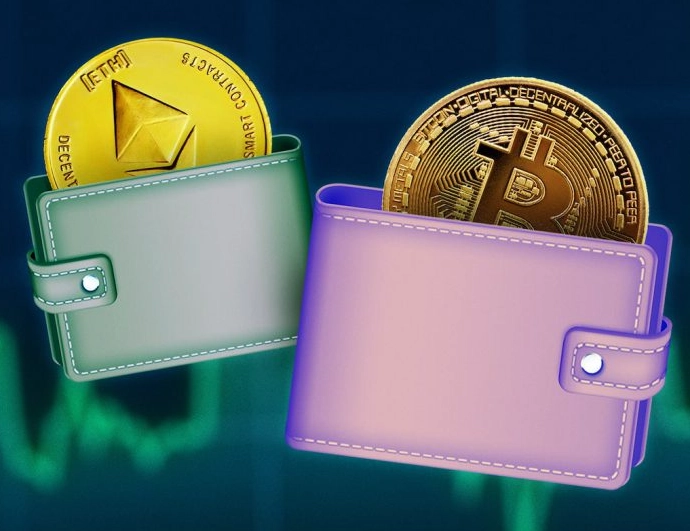
For the Bitcoin-Only Maximalist
You want something simple and bulletproof. Sparrow Wallet (a desktop software wallet) paired with a Coldcard hardware wallet is a combination revered by Bitcoin OGs. It's focused, air-gapped, and designed with privacy in mind.
4. The Pitfalls Almost Everyone Misses
Buying the wallet is step one. Using it correctly is where people fail. I've seen these mistakes cost people fortunes.
Pitfall 1: The Seed Phrase Screenshot. When you set up a self-custody wallet, you get a 12 or 24-word recovery phrase. This is your master key. The single worst thing you can do is take a photo of it or store it in a digital note. If your phone or cloud is compromised, game over. Write it on paper with a pen. Consider a fire-resistant metal backup like a Cryptosteel for ultimate durability.
Pitfall 2: Ignoring Network Fees. Sending crypto isn't free. When you move assets from an exchange to your private wallet, you'll pay a network fee (gas). This fee can be $1 or $50 depending on network congestion. Always do a small test transaction first, especially with large amounts or unfamiliar coins.
Pitfall 3: Falling for Fake Wallet Apps. Only download wallets from official websites or official app stores. Scammers create perfect clones of MetaMask or Trust Wallet. If you enter your seed phrase into a fake app, your funds are gone in seconds. Always double-check the developer name and number of downloads.
Pitfall 4: Thinking a Hardware Wallet is Invincible. It's not. If someone physically steals it AND knows your PIN, they can access your funds. If you type your seed phrase into a computer to "update firmware" (a common phishing scam), you've defeated its purpose. The hardware wallet is a tool, not a magic amulet. You must use it correctly.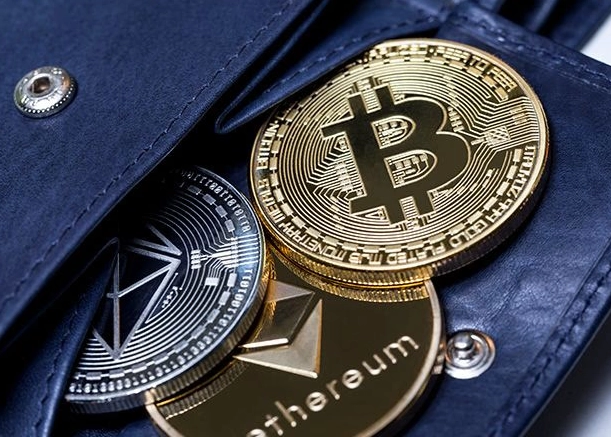
5. Your Questions, My Straight Answers
The search for the best crypto wallet ends with a simple question: what are you trying to do? Security and convenience exist on a sliding scale. Match the tool to the task. Start with a reputable exchange, graduate to a hot wallet for exploration, and anchor your wealth in a cold wallet. Understand that your seed phrase is sacred. Get those basics right, and you'll be miles ahead of most people in this space. Your crypto's security, in the end, is your responsibility. Choose your tools wisely.
Reader Comments