Your Litecoin Roadmap: Quick Navigation
- How Litecoin Actually Works: The Tech Under the Hood
- Litecoin vs. Bitcoin: A Side-by-Side Look
- What Can You Actually Use Litecoin For?
- A Step-by-Step Guide to Getting Started with Litecoin
- Storing and Securing Your Litecoin Investment
- Answering Your Burning Questions About Litecoin
- The Road Ahead for Litecoin
Let's talk about Litecoin. You've probably heard it called the "silver to Bitcoin's gold." It's one of those names that pops up whenever people discuss cryptocurrencies that aren't Bitcoin. But what's the real deal with it? I remember first buying some Litecoin (LTC) back in 2017, mostly out of curiosity. It felt like the quieter, quicker cousin of Bitcoin, hanging around without making too much noise. Over the years, my view on it has shifted – sometimes I think it's underrated, other times I wonder if it's just living in Bitcoin's shadow. But one thing's for sure, it's stuck around for over a decade, and that in itself says something.
Created in 2011 by Charlie Lee, a former Google engineer, Litecoin was never meant to reinvent the wheel. The idea was pretty straightforward: take Bitcoin's core technology and make it faster and cheaper to use for everyday stuff. Think of it as a tweak, an adjustment. Lee saw Bitcoin as digital gold – great for storing value, but maybe a bit clunky for buying a coffee or sending money to a friend across the globe. So, Litecoin was born to handle those smaller, faster transactions. The official Litecoin project website lays out this vision clearly, positioning it as a peer-to-peer Internet currency.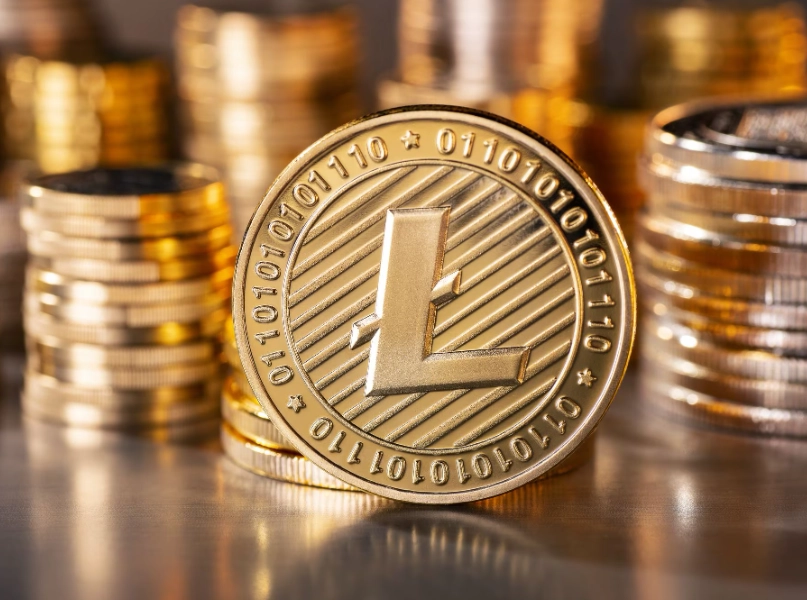
How Litecoin Actually Works: The Tech Under the Hood
If you're not a techie, don't worry. I'll try to break this down without making your head spin. Litecoin works on a blockchain, just like Bitcoin. It's a digital ledger that records every single LTC transaction ever made. This ledger is maintained by a bunch of computers (called nodes) spread all over the world. The magic that keeps it secure and running is called mining.
But here's where Litecoin starts to differ. Bitcoin uses a mining algorithm called SHA-256. Litecoin uses something called Scrypt. Charlie Lee chose Scrypt for a reason. Back in the day, it was considered more resistant to the super-specialized, expensive mining hardware (ASICs) that were starting to dominate Bitcoin mining. The hope was that this would let more people mine Litecoin using their regular computer processors (CPUs) or graphics cards (GPUs), keeping things more decentralized. Honestly, that didn't last forever – ASICs for Scrypt were eventually developed too – but the choice of algorithm is a core part of Litecoin's identity.
The other big tweak is speed. A new block on the Bitcoin blockchain is added roughly every 10 minutes. For Litecoin, it's about every 2.5 minutes. This means transactions are confirmed four times faster. It might not sound like a huge deal when you're just holding, but when you're waiting for a payment to clear, that difference feels massive. It also means the network can handle more transactions in the same amount of time.
Then there's the supply. Bitcoin has a hard cap of 21 million coins. Litecoin has a cap of 84 million coins. Four times the speed, four times the supply – you can see the symmetry Lee was going for. This larger supply also means each individual Litecoin unit is, in theory, worth less, which some argue makes it more practical for small purchases (though the market price obviously changes that perception).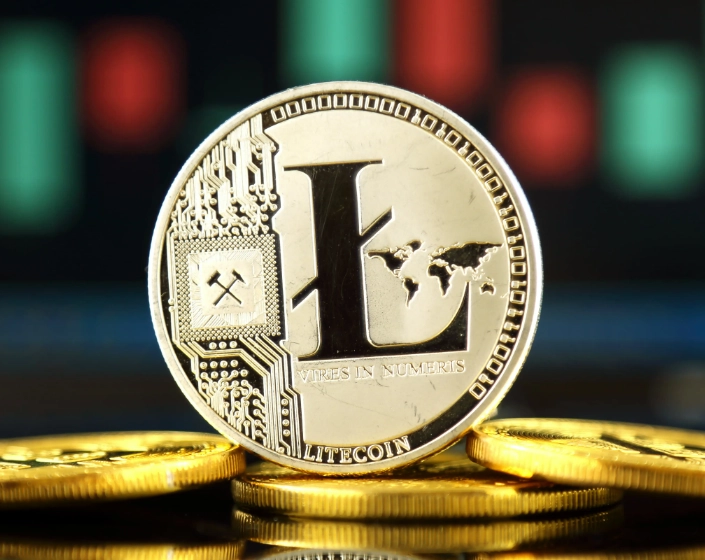
Litecoin vs. Bitcoin: A Side-by-Side Look
It's impossible to talk about Litecoin without directly comparing it to Bitcoin. They're like siblings, and understanding their differences is key. Let's lay it out in a table – it just makes things clearer.
| Feature | Bitcoin (BTC) | Litecoin (LTC) |
|---|---|---|
| Creator | Satoshi Nakamoto (Anonymous) | Charlie Lee (Public Figure) |
| Launch Year | 2009 | 2011 |
| Primary Goal | Digital Gold / Store of Value | Digital Silver / Medium of Exchange |
| Block Time | ~10 minutes | ~2.5 minutes |
| Mining Algorithm | SHA-256 | Scrypt |
| Total Coin Supply | 21 million | 84 million |
| Transaction Fees | Generally Higher | Generally Lower |
| Market Perception | Dominant Reserve Asset | Fast Payment Network |
Looking at this, you get the picture. Bitcoin is the trailblazer, the one everyone measures everything else against. Its slower, more deliberate pace and limited supply are features for its role as "digital gold." Litecoin, on the other hand, optimized for speed and lower costs from the get-go. Its higher supply and faster blocks are features for its intended role as "digital silver" – something you might actually *use* more often.
Is one better than the other? That's the wrong question. They were designed for slightly different jobs. Think of it like a toolbox. You wouldn't use a sledgehammer to put in a tiny screw. Sometimes you need the robustness and security of Bitcoin, other times you want the speed and lower cost of a Litecoin transaction.
What Can You Actually Use Litecoin For?
This is where the rubber meets the road. Why would someone hold or use Litecoin? It's not just a collector's item. Over the years, Litecoin has carved out some pretty concrete use cases.
As a Payment Method
This was its original purpose, and it still holds up. A growing number of online merchants and even some physical stores accept Litecoin. Why would a business choose it? Lower transaction fees than credit cards and faster settlement than Bitcoin. Platforms like BitPay have made it easy for merchants to accept LTC and other cryptos without worrying about price volatility, as they can instantly convert to fiat currency. So, you can buy anything from gift cards to tech gadgets with your Litecoin.
For Cross-Border Transfers
Sending money internationally through traditional banks can be a nightmare – high fees, slow processing (days!), and lots of paperwork. Sending Litecoin is different. You can send any amount to anyone in the world with an internet connection, and it usually arrives in minutes, not days. The fee is a tiny fraction of what Western Union or a bank would charge. This is a massive deal for migrant workers sending remittances back home. The low cost of a Litecoin transaction makes micro-transactions across borders feasible.
As a Trading and Investment Asset
Let's be real, a huge number of people interact with Litecoin through trading. It's a major cryptocurrency, listed on virtually every significant exchange like Coinbase and Binance. Traders use it to pair with other cryptocurrencies, speculate on its price movements, or diversify their crypto portfolio. Because it's often less volatile than some smaller altcoins but still has more movement than Bitcoin sometimes, it can be an attractive middle-ground asset for some strategies.
Is Litecoin a good long-term investment? That's the million-dollar question (or maybe the 84-million-LTC question). Its long history and established position give it a level of stability that newer projects don't have. It's survived multiple crypto winters. But its growth potential is also debated – can it break out of Bitcoin's shadow and capture new value? There's no easy answer, and anyone telling you there is should be viewed with caution.
A Step-by-Step Guide to Getting Started with Litecoin
Okay, so you're interested. How do you actually get your hands on some Litecoin? Let's walk through it, step by step. It's easier than you might think.
Step 1: Choose a Cryptocurrency Exchange
This is your on-ramp. You need a platform that lets you exchange your regular money (USD, EUR, etc.) for Litecoin. For beginners, I often recommend starting with a user-friendly, regulated exchange. Coinbase is a common starting point because its interface is straightforward. Others like Kraken or Binance (where available) offer more advanced features and sometimes lower fees. Do a little research based on what's available in your country. Check their fee structures, payment methods (bank transfer, debit card), and security reputation.
Step 2: Create an Account and Verify Your Identity
This part can feel a bit tedious, but it's standard procedure (Know Your Customer or KYC laws). You'll sign up with an email, create a strong password (use a password manager!), and then provide some ID, like a driver's license or passport, for verification. This process can take a few minutes or a couple of days. It's for security and compliance, so just be patient.
Step 3: Deposit Funds and Buy Litecoin
Once verified, link your bank account or debit card. Deposit some fiat currency. Then, navigate to the trading section. You'll see a pair like "LTC/USD." You can place a market order (buy at the current best price) or a limit order (set a price you want to buy at and wait). For your first purchase, a small market order is fine to get the hang of it. Confirm the transaction, and voilà, the Litecoin will appear in your exchange wallet.
Step 4: Move Your LTC to a Personal Wallet (Crucial!)
This is the most important step that beginners often skip. Do not leave your Litecoin on the exchange long-term. The saying goes, "Not your keys, not your coins." If the exchange gets hacked or goes down, you could lose everything. You need a wallet where you control the private keys.
Wallet options break down like this:
- Software Wallets: Apps on your phone or computer. Great for smaller amounts you plan to use. Trust Wallet and Exodus are popular, user-friendly multi-coin wallets that support Litecoin.
- Hardware Wallets: Physical devices like a Ledger or Trezor. These are the gold standard for security. They store your keys offline, safe from hackers. Essential for any significant amount of LTC you're holding for the long term. It's a small upfront cost for huge peace of mind.
- Litecoin Core Wallet: The official desktop wallet from litecoin.org. It's the most secure software option because it downloads the entire blockchain, but it's also more technical and takes up a lot of disk space.
Once you set up your personal wallet, you'll get a receiving address (a long string of letters and numbers). Go back to your exchange, find the "Withdraw" or "Send" function for Litecoin, paste your wallet address, double-check it (seriously, triple-check), and send a small test amount first. Once that arrives, you can send the rest.
Storing and Securing Your Litecoin Investment
Security isn't a one-time thing; it's a habit. Losing crypto is permanent – there's no customer service to call for a refund. Here's my personal checklist, learned from a few close calls over the years:
- Hardware Wallet for Holdings: The majority of my Litecoin sits on a hardware wallet in a safe place. It's disconnected from the internet.
- Backup Your Seed Phrase: When you create a personal wallet, you get a 12 or 24-word recovery seed phrase. This is the master key to your funds. Write it down on paper (not a digital file!). Store it in multiple secure, fireproof/waterproof locations. Never share it with anyone. Ever.
- Beware of Phishing: Scams are everywhere. Never click on links in emails or messages claiming to be from your wallet provider or exchange. Always type the website URL directly. Double-check website addresses (URLs).
- Use Strong, Unique Passwords: A different, complex password for every exchange and online wallet. A password manager is non-negotiable here.
- Enable 2-Factor Authentication (2FA): On every single account that offers it. Use an authenticator app (like Google Authenticator or Authy) instead of SMS if possible, as SIM-swapping attacks are a real threat.
Answering Your Burning Questions About Litecoin
The Road Ahead for Litecoin
So, what's next for this old-timer in the crypto space? Litecoin isn't standing still. The development team continues to work on upgrades. One of the most significant recent developments was the activation of MimbleWimble via an Extension Blocks (MWEB) upgrade. This added optional privacy features to Litecoin transactions, allowing users to hide the amount and sender/receiver information if they choose. It's a controversial feature (privacy coins face regulatory scrutiny) but shows the network's ability to innovate.
Its biggest challenge remains the same: carving out a unique and indispensable niche in a world now filled with thousands of cryptocurrencies, many promising faster speeds and lower fees. Litecoin's advantage is its battle-tested security, widespread recognition, and simplicity. Sometimes, being the reliable, faster version of Bitcoin is enough of a value proposition.
Will it ever "flip" Bitcoin or become the world's primary currency? Probably not, and that's okay. Its goal was never world domination. Its goal was to be a useful, efficient, and accessible digital currency. By that measure, Litecoin has been a resounding success. It's a workhorse, not a showhorse. And in the long run, the world needs workhorses.
Whether you see it as a pragmatic payment tool, a portfolio diversifier, or a piece of crypto history, Litecoin's place in the story is secure. It reminds us that innovation doesn't always have to be a revolution; sometimes, it's just a really well-executed improvement.
Reader Comments