Let's cut through the noise. When a country declares Bitcoin as legal tender, it's not just a press release. It's a massive, real-time economic experiment with citizens and businesses as the test subjects. The headlines scream "adoption," but the reality on the ground is a messy mix of ambition, technical hurdles, and people just trying to buy groceries. Having followed this space since the first Bitcoin ATM, I've seen the gap between theory and practice widen more often than not. This isn't about hype; it's about what happens when digital currency meets daily life.
What You'll Find in This Guide
Who Actually Did It? The Two Trailblazers
As of now, only two nations have taken the plunge to make Bitcoin legal tender. Their approaches couldn't be more different, which gives us a perfect case study.
El Salvador: The Big Bet
In September 2021, El Salvador went all in. President Nayib Bukele pushed through the Bitcoin Law, making it compulsory for every business to accept Bitcoin (though exceptions exist for those without tech access). The government launched its own wallet, Chivo, and gave every citizen $30 in Bitcoin to start. They installed hundreds of Bitcoin ATMs. The goal was clear: attract investment, bank the unbanked, and slash remittance costs. The IMF has been loudly critical, warning of fiscal risks. On the ground, adoption has been... patchy. A study by the National Bureau of Economic Research found low sustained usage after the initial $30 bonus was spent.
The Central African Republic: The Surprise Move
Then, in April 2022, the Central African Republic (CAR) followed, becoming the first in Africa. It was a stunner. Here's a country with barely 10% internet penetration adopting the world's most digital currency. The logic seemed to be about escaping the CFA franc, a currency tied to France, and asserting monetary sovereignty. But the practical barriers are immense. Most people don't have smartphones. The electricity grid is unreliable. It felt more like a symbolic gesture than a practical policy, and it was reportedly repealed later, highlighting the political instability.
| Country | Date Adopted | Key Driver | Major Practical Hurdle | Current Status |
|---|---|---|---|---|
| El Salvador | Sept 2021 | Remittances, Financial Inclusion | Merchant Reluctance, Price Volatility | Active, but usage is low |
| Central African Republic | April 2022 | Monetary Sovereignty | Extremely Low Tech Infrastructure | Reportedly Repealed |
What "Legal Tender" Really Means on the Street
Here's where most articles get it wrong. "Legal tender" doesn't mean everyone uses Bitcoin for everything. It means it must be accepted as payment for debts. If you owe someone money, you can offer Bitcoin to settle it, and they are legally obliged to accept it. For everyday transactions, like buying coffee, it's more nuanced.
In El Salvador, the law says businesses "must" accept Bitcoin. But enforcement is tricky. The government can't stand behind every market stall. So you get a dual reality: big chains like McDonald's or Starbucks might have a QR code at the counter (powered by a third-party processor like Strike), while the local pupuseria quietly prefers cash. The dollar remains king for daily life.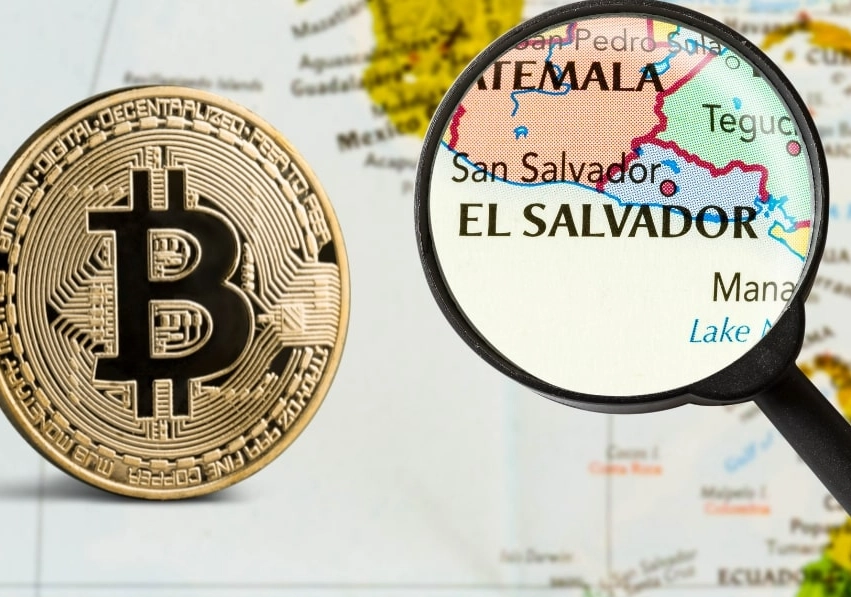
The Business Reality: Accepting Bitcoin Payments
If you run a business in a country with Bitcoin as legal tender, what do you actually do? The process isn't just slapping a Bitcoin logo on your window.
Step 1: Technical Integration
You need a way to receive it. Most businesses don't hold Bitcoin directly due to the volatility. They use a payment processor. These processors (companies like BitPay, Coinbase Commerce, or local providers) instantly convert Bitcoin received into local fiat (dollars in El Salvador's case) and deposit it into the business's bank account. The customer pays in BTC, the business receives USD. This shields the business from price swings.
Integration means:
- Setting up a merchant account with a processor.
- Getting a point-of-sale (POS) device or generating QR codes linked to your wallet address.
- Training staff on how to confirm transactions on the app (waiting for 1-2 network confirmations).
Step 2: The Accounting and Tax Headache
This is the silent killer. If you *do* choose to hold some Bitcoin (maybe as an investment), accounting becomes a nightmare. Every transaction is a taxable event in many jurisdictions. You bought supplies for 0.01 BTC when BTC was $30,000. You sell a product for 0.01 BTC when BTC is $35,000. You've made a $500 capital gain on that Bitcoin, even though the *amount* of Bitcoin hasn't changed. Most small businesses aren't equipped for this. They just want to get paid.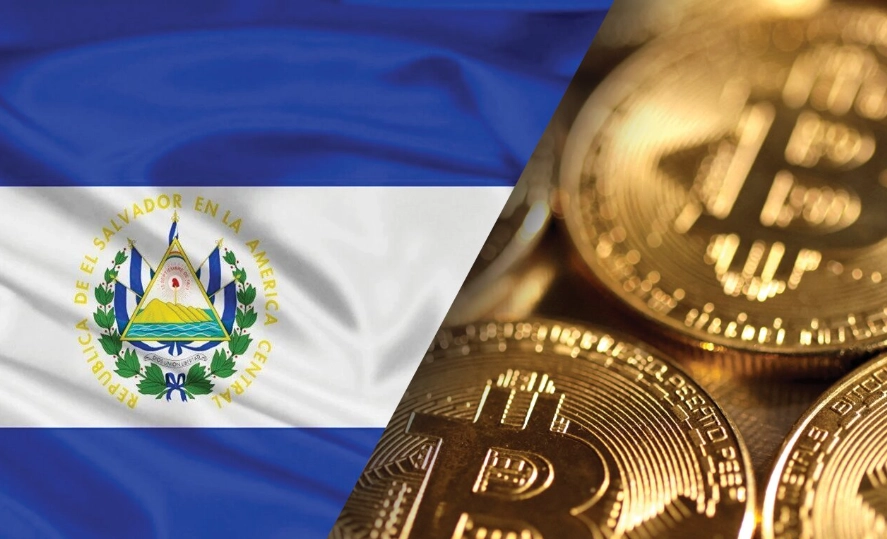
My advice to any business? Use an auto-convert processor. Treat it like accepting a foreign currency that you instantly exchange. It's the only sane way to operate without a dedicated crypto accountant.
The Personal Impact: Wallets, Volatility, and Daily Life
For the average person, the experience is defined by three things: the wallet, the wild price swings, and whether it actually solves a problem.
The Wallet Experience: Chivo in El Salvador
The government's Chivo wallet was meant to be the gateway. It had issues: technical glitches, identity verification problems, and trust issues (it's not fully non-custodial). But it did one thing well: it made sending remittances from the US to El Salvador nearly free and instant. Before, a $200 wire could cost $15 and take days. With Chivo, it's a few cents and minutes. For the huge Salvadoran diaspora, this is the killer app. For buying eggs? Not so much.
Living with Volatility
Imagine your salary is automatically converted to Bitcoin on payday. One month, your $1,000 salary is worth 0.025 BTC. The next week, a market crash happens, and that 0.025 BTC is now worth $800. Would you budget in dollars or Bitcoin? People aren't stupid. They convert to stable value (dollars) as fast as possible. This creates a constant outflow from Bitcoin into fiat, undermining the "circular economy" dream. Stores see this and prefer dollars too.
The Financial Inclusion Angle
This is the noble goal. About 70% of Salvadorans lacked bank accounts pre-Bitcoin. A smartphone with a Bitcoin wallet could be their bank. In theory, it's brilliant. In practice, you need a smartphone, reliable internet, and digital literacy. The government gave away phones and data plans, but the learning curve is steep for someone who's never had a bank card. Progress is real but slow.
The Future: Is This a Trend or a Flash in the Pan?
I don't see a wave of developed nations following suit anytime soon. The volatility and lack of control scare central banks. The real action is in Central Bank Digital Currencies (CBDCs). Countries like China are piloting the digital yuan. This gives governments the digital efficiency they want with the control they're used to.
For smaller nations with weak currencies or high remittance dependence, Bitcoin's model remains tempting. The next adopters might be countries with similar profiles to El Salvador. But they'll likely learn from its stumbles. Maybe they'll make it optional for businesses, or pair it with a digital version of their own currency.
The legacy of these first movers won't be a global Bitcoin standard. It will be the pressure they put on traditional remittance corridors (like Western Union) and the proof-of-concept for instant, low-cost cross-border value transfer. That's the real innovation that will stick.
Reader Comments