If you've traded on KuCoin, you've seen KCS. Most people think it's just another exchange token, a utility coin to get fee discounts. That's the surface-level view, and it's why so many holders miss its real potential. I've held KCS through multiple bull and bear cycles since its 2017 ICO, and the story has evolved dramatically. Today, KCS is the engine of the entire KuCoin ecosystem, and understanding its mechanics is the difference between treating it as a speculative token and leveraging it as a genuine crypto asset for long-term growth.
Let's cut through the noise. The value of KCS isn't just tied to KuCoin's trading volume. It's a combination of a daily dividend, a persistent burn mechanism, and an expanding utility web that turns it into a unique hybrid asset.
What's Inside This Guide
What Exactly is KCS Coin? (Beyond the Basics)
KCS stands for KuCoin Shares. The name is a relic from its 2017 launch, inspired by the idea that holders would share in the exchange's success—a promise it has largely kept. It's an ERC-20 token (though there's now a KCC chain version), and its initial total supply was 200 million.
Here's where most summaries stop. But the crucial shift happened when KuCoin moved from being just an exchange to an ecosystem. KCS is no longer just a "share"; it's the primary governance and utility token for KuCoin's whole universe: the Spot/Futures exchange, the KuCoin Earn savings platform, the KuCoin Wallet, and their decentralized exchange, KuCoin DEX.
Owning KCS is like holding a key that unlocks doors across this entire platform. A key that also pays you rent.
The KCS Bonus (Dividend) Model: How It Really Works
This is the headline feature. KuCoin takes 50% of its daily trading fee revenue and uses it to buy KCS back from the market. These bought-back tokens are then distributed proportionally to all users who hold at least 6 KCS in their main KuCoin accounts.
It sounds simple, but the devil's in the details, and this is where newcomers get tripped up.
You don't get free money. The bonus is paid in KCS, but its value in USD comes from that market buy pressure. If you hold 1,000 KCS and the total bonus pool is worth $100,000 distributed across 100 million KCS, your share is roughly $1 worth of KCS. The exchange automatically buys that $1 of KCS for you and adds it to your holding.
The daily payout is tiny for small holders. Let's be real: if you're holding 10 KCS, your daily bonus might be a few cents. The real benefit accrues to larger holders or those accumulating over a very long time. I've seen my stack grow by a few percent per year just from the bonus, which compounds nicely during a bull market.
Critical nuance everyone misses: The bonus is calculated based on snapshots taken randomly every day. You can't just buy before the snapshot and sell after. You need to hold consistently. Also, the 6 KCS minimum must be in your Main Account, not your Trading Account or Earn products. This one rule causes more confusion and missed bonuses than anything else.
The KCS Burn: Scarcity in Action
While the bonus uses 50% of fees, the other 50% is used to buy back and burn KCS tokens permanently. This is a deflationary mechanism. Every quarter, KuCoin publicly destroys these tokens, reducing the total and circulating supply forever.
The burn rate isn't fixed. It directly correlates with exchange revenue. High trading volume = more fees = bigger burns. This creates a virtuous cycle: more users and volume boost the burn, increasing scarcity, which potentially supports the token price, attracting more attention.
Here's a simplified look at the dual-engine model:
| Mechanism | Source of Funds | Action | Direct Effect | Long-term Goal |
|---|---|---|---|---|
| Daily Bonus | 50% of daily trading fees | Buy KCS from market, distribute to holders | Provides daily yield, creates consistent buy pressure | Reward and incentivize long-term holding |
| Quarterly Burn | 50% of daily trading fees | Buy KCS from market, send to irrecoverable address | Permanently reduces total supply, increases scarcity | Create deflationary pressure on token supply |
The original supply was 200 million. As of their latest burn announcements, they've destroyed tens of millions. The target is to burn until only 100 million remain. We're not there yet, but the direction is clear.
Where KCS Actually Gets Used: A Utility Checklist
Beyond the bonus, KCS has concrete uses. This is what gives it fundamental value beyond pure speculation. If you're a KuCoin user, these are the levers you can pull:
- Trading Fee Discounts: The classic. Holding KCS in your main account gives you tiered discounts on spot and futures trading fees. It's not the highest discount in the industry, but it's straightforward.
- KuCoin Earn Boosts: This is underrated. Many fixed-term and flexible savings products on KuCoin Earn offer higher APYs if you subscribe using KCS or if you hold a certain amount of KCS. I've seen boosts of 2-5% extra, which on top of the daily bonus, adds up.
- Payment for Services: Want to launch a token on their Spotlight or BurningDrop launchpad? Projects often need to pay in KCS. Need to list a margin trading pair? Fees can be in KCS. This creates organic, non-speculative demand.
- Community Governance: While not as decentralized as some DAOs, KCS holders get to vote on certain ecosystem decisions, like which tokens get listed on certain pools or earn products. It's a stake in the platform's direction.
Here's my personal ranking of utility, based on actual impact:
1. The Daily Bonus + Earn Boost Combo. This is the one-two punch for long-term holders. You get the yield from holding, then you can put that yield into an Earn product for an additional yield boost.
2. The Burn Mechanism. This is a passive benefit for all holders, but it's slow and steady. You feel it over years, not days.
3. Fee Discounts. Practical for active traders, but if you're a casual trader, the savings might not justify locking up capital.
4. Ecosystem Payments. This is the demand driver that most retail holders don't see, but it's vital for the token's economic health.
Is KCS a Good Investment? A Realistic Look
Let's be blunt. KCS is not a "set it and forget it" guaranteed winner. Its fate is intrinsically linked to KuCoin's success. If the exchange loses market share, faces regulatory hurdles, or sees declining volumes, the bonus shrinks, the burn slows, and price pressure follows.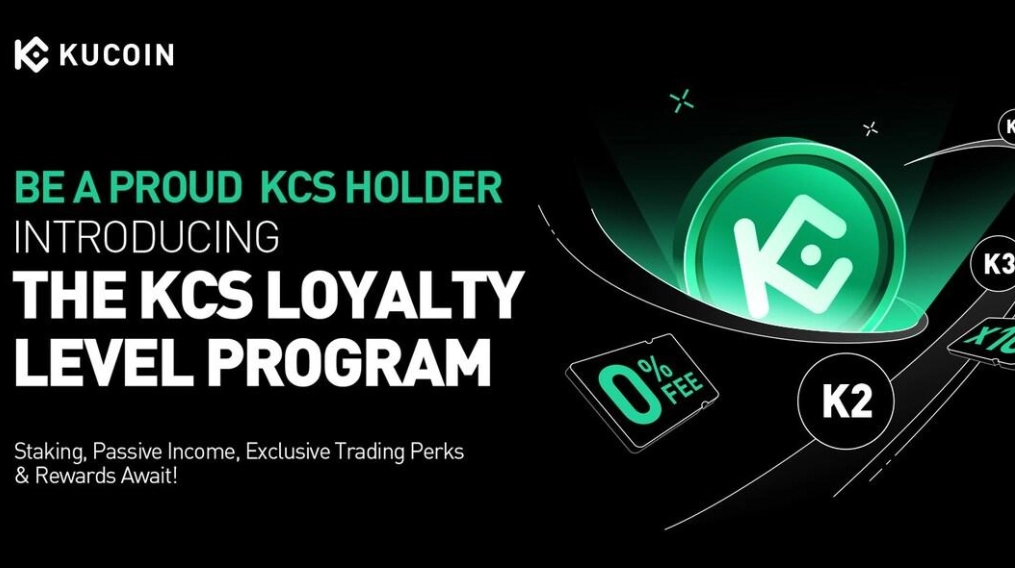
That said, the model is robust for a specific type of investor.
KCS works if: - You are already a regular KuCoin user and pay trading fees. - You believe in the long-term growth of the KuCoin ecosystem. - You are building a long-term, yield-generating crypto portfolio and can commit to holding through volatility. - You understand that the real gains come from the compounding of the bonus over multiple market cycles, not from short-term pumps.
KCS is a poor choice if: - You're looking for a quick flip. The token can be volatile, but its core model rewards patience. - You have no intention of using the KuCoin platform. You're missing half the value proposition. - You can't stomach the risk of holding an asset tied to a single company's performance.
A Thought Experiment: Imagine you buy $10,000 worth of KCS. You lock 80% of it in a 90-day Earn product for a boosted yield. You keep 20% in your main account to collect the daily bonus and get trading fee discounts. Every day, a little more KCS trickles in from the bonus. Every quarter, the total supply gets a little smaller. You're not trading; you're just letting the ecosystem work for you. That's the ideal KCS holder mindset.
It's not sexy. It's not about 100x moonshots. It's about steady, ecosystem-aligned accumulation.
KCS Questions I Get Asked All the Time
 How does KCS compare to other major exchange tokens like BNB or FTT?
 KCS isn't magic. It's a thoughtfully designed token with a clear economic model that rewards those who integrate it into their actual use of the KuCoin ecosystem. It demands more than just buying and hoping. It asks you to hold, to use, and to think in terms of years, not weeks. For the right investor, that's exactly where the real value lies.
Reader Comments