Let's be honest. The biggest risk in crypto isn't market volatility. It's the person on the other side of the screen promising you guaranteed returns. I've seen too many people, some with years of traditional investing experience, lose life-changing sums because they missed the warning signs. Avoiding crypto scams isn't just about being skeptical; it's a specific skill set you need to develop. This guide breaks down that skill set into actionable steps, moving beyond the basic "don't share your seed phrase" advice you've heard a thousand times.
What's Inside
Understanding the Crypto Scam Landscape
You can't defend against what you don't understand. Scammers in crypto are sophisticated. They've moved past the crude Nigerian prince emails. Now, they run fake trading bots on Telegram, create elaborate counterfeit versions of real DeFi platforms, and even impersonate tech support from legitimate exchanges like Coinbase or Binance.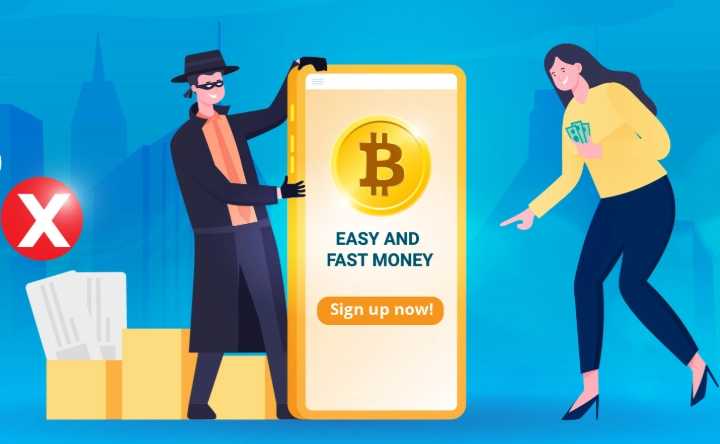
The U.S. Federal Trade Commission (FTC) reported that in 2023, crypto scam losses hit billions, with investment scams being the most common. These aren't just faceless hackers. Often, they're organized groups running what's called a "pig butchering" scam. They build a relationship with you over weeks, gain your trust, and then guide you to a fake investment platform where you willingly send your money. Once it's gone, it's almost always gone for good.
Here's a breakdown of the most common types you'll encounter:
| Scam Type | How It Works | Primary Red Flag |
|---|---|---|
| Fake Exprises & "Yield Farms" | Clones of real platforms (Uniswap, PancakeSwap) with a slightly altered URL. Promises absurdly high APY (e.g., 1000%+). | URL mismatch and unsustainable returns. |
| Phishing & Impersonation | Fake emails, SMS, or social media accounts pretending to be from a trusted exchange, wallet, or influencer. Links to fake login pages. | Urgent language ("Your account will be locked!") and unofficial communication channels. |
| Rug Pulls | Developers create a new token, hype it up, and then abandon the project and drain all the liquidity, leaving the token worthless. | Anonymous team, locked liquidity with short timers, and excessive hype on new tokens. |
| Giveaway / Airdrop Scams | "Send 1 ETH to this address to receive 5 ETH back!" or "Connect your wallet to claim a free airdrop" which then drains it. | Asking you to send crypto first or connect your wallet to an unknown site. |
| Romance / Pig Butchering Scams | Long-term relationship built on dating apps or social media, culminating in a recommendation to invest on a fraudulent platform. | Someone you've never met in person pushing a specific, obscure crypto investment. |
The Red Flags: How to Spot a Crypto Scam Before You Invest
This is your first line of defense. Treat every new opportunity as guilty until proven innocent. Here's your checklist.
1. The Promise is Too Good
Guaranteed returns. Zero risk. Doubling your money in a month. In the volatile world of crypto, these phrases are fantasy. Legitimate projects discuss potential, not guarantees. If someone promises you 2% daily returns, run the math. That's over 700% annualized. No sustainable business model offers that.
2. Pressure to Act NOW
Scammers use FOMO (Fear Of Missing Out) as their primary weapon. "This ICO ends in 2 hours!" "The presale price doubles tomorrow!" Any legitimate investment can withstand a few days of due diligence. If you're pressured to bypass your own research process, it's a trap.
3. Anonymous or Unverifiable Teams
Go to the project's website. Look for the "Team" page. Are there real people with verifiable LinkedIn profiles and a history in tech or finance? Or are they cartoon avatars with fake names? A project asking for your money but hiding its creators is a massive red flag. Check if their claimed past companies actually exist.
4. Poor Online Presence and Community
Search for the project name on CoinDesk, Cointelegraph, or even Reddit. Is there any independent coverage, or only paid press releases? Join their Telegram or Discord. Is the community just bots and admins shilling the token, or are there genuine technical discussions? A silent, dead community around a "hot" project is a bad sign.
5. The URL and Contract Address Test
For exchanges and DeFi sites, always double-check the URL. Is it uniswap.org or uniswqp.net? Bookmark the real sites. For tokens, never trust a contract address sent in a DM or posted on a random website. Go to the project's official Twitter or website (verified via multiple sources) to get the correct contract address. One wrong character and you're sending funds to a scammer.
Essential Steps to Protect Your Crypto Assets
Spotting scams is half the battle. The other half is building an environment where scams can't reach you. This is your proactive defense system.
Use a Hardware Wallet for Storage. This isn't optional for any meaningful amount of crypto. A Ledger or Trezor keeps your private keys offline. No browser extension or software hack can touch it. Your exchange account is for trading, not for long-term storage.
Enable Every Security Feature. On exchanges, turn on Two-Factor Authentication (2FA) using an app like Google Authenticator or Authy—not SMS, which can be sim-swapped. Use whitelisting for withdrawal addresses. This means you pre-approve specific wallet addresses, and any new address has a 24-48 hour hold before funds can be sent. It's a pain, but it's a lifesaver.
Create a Separate "DeFi" Wallet. Don't connect your main hardware wallet to every new DeFi protocol you try. Use a separate, low-fund software wallet (like MetaMask) for experimentation. If that wallet gets compromised, your life savings are still safe in cold storage.
Verify, Then Verify Again. Before sending a large transaction, do a test send with a tiny amount. Before connecting your wallet to a site, search for community reviews of that specific URL. The U.S. Securities and Exchange Commission (SEC) has investor alerts, and sites like RugDoc.io review DeFi project code.
Guard Your Seed Phrase Like Your Life Depends On It. It does. Never digitize it. No photos, no cloud notes, no email drafts. Write it on the metal backup card that comes with your hardware wallet and store it in a safe, physical location. Anyone with those 12 or 24 words owns your crypto, forever.
What to Do If You've Been Scammed
It happens to the best of us. The shame and panic are real, but action is critical. Here's the order of operations.
First, Isolate and Secure. If you entered your seed phrase anywhere, assume all wallets using it are compromised. Immediately move any remaining funds to a brand new wallet with a newly generated seed phrase. If you gave login details to a fake site, change your passwords and 2FA on the real site immediately.
Report It. File a report with your local law enforcement and the FBI's Internet Crime Complaint Center (IC3). Report the scam to the platform it mimicked (e.g., Coinbase, MetaMask). While recovery is unlikely, these reports build patterns that help authorities track organized groups.
Do NOT Engage with "Recovery Scammers." This is the cruel second act. After you post about your loss online, people will DM you claiming they can "hack" or "trace" and recover your funds for a fee. They can't. They are preying on your desperation. Block and ignore.
Consider It an Expensive Lesson. It's brutal, but it's the reality. Use the anger and frustration to fuel your commitment to never let it happen again. The knowledge you gain from this experience is, unfortunately, what makes you a harder target in the future.
Beyond the Basics: Advanced Safety Mindset
After a decade in this space, I've noticed the people who never get scammed share a specific mindset. It's not paranoia; it's a calculated, systematic approach to trust.
They view "trust, but verify" as a dangerous motto. Their motto is "distrust, and verify exhaustively." They assume every new contact is a scammer, every link is malicious, and every offer is designed to separate them from their coins until proven otherwise beyond a reasonable doubt.
They cultivate a healthy skepticism of influencers. Just because someone has a million Twitter followers doesn't mean their paid promotion is a good investment. They look for developers building in public, not marketers shouting from rooftops.
Most importantly, they understand their own psychology. They know when they're feeling greedy or desperate—that's when they're most vulnerable. They have a pre-written checklist they force themselves to complete before any investment, specifically to counter those emotional impulses. They know the scammer isn't just attacking their wallet; they're attacking their fear and their hope.
Reader Comments