So, you're thinking about trading perpetual swaps on HyperLiquid. The interface is slick, the fees are low, and the promise of decentralized, non-custodial trading is alluring. I get it. I've been in crypto since the Mt. Gox days, and every new platform brings a wave of optimism. But before you deposit a single satoshi, you need to ask the hard question: what are the risks of HyperLiquid? It's not just about market volatility. The risks are layered, from the code it runs on to the specific mechanics of its flagship product. This isn't FUD—it's a roadmap of the potholes so you don't blow a tire.
What You'll Find in This Guide
The Foundation Isn't Always Solid: Platform-Layer Risks
Let's start with the bedrock. HyperLiquid is a decentralized exchange (DEX) built on its own Layer 1 blockchain. This architecture is its biggest selling point and its most significant risk vector.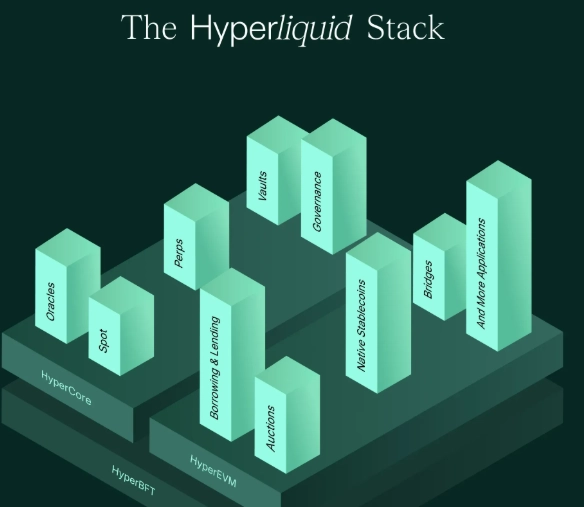
Smart Contract Risk: The Unseen Code
Every interaction—deposit, trade, withdrawal—is governed by smart contracts. While audits by firms like Zellic and OtterSec provide confidence, they are not ironclad guarantees. An audit is a snapshot. A novel exploit, a hidden logic flaw in a future upgrade, or an unforeseen interaction with a new asset can create vulnerabilities.
Remember, you're not insured by an entity like the FDIC. If a bug is exploited, your funds could be irrecoverable. The platform's insurance fund is the first line of defense, but its size relative to total value locked (TVL) is a critical metric few check. Is it enough to cover a black swan event? You need to monitor this yourself.
Centralization Trade-offs
"Decentralized" often has shades of gray. HyperLiquid uses a Proof-of-Stake consensus with a permissioned validator set initially. This means the core team retains significant control over chain upgrades and critical parameters. The risk here is governance risk. A contentious hard fork or a change in fee structure dictated by the core team could impact your positions. True decentralization is a journey, and you're betting on the team's execution and eventual distribution of control.
Liquidity and Network Risk
Unlike giants like Binance or Bybit, HyperLiquid's liquidity pool is younger and thinner for many pairs. This isn't just about getting a bad price.
Thin liquidity amplifies two dangers:
- Slippage on Market Orders: In a fast market, your market order can move the price significantly against you, especially on larger trades.
- Oracle Manipulation Vulnerability: Perpetual swaps rely on price oracles. If liquidity is too thin on the underlying spot markets that feed the oracle, it becomes theoretically easier (though still difficult) to manipulate the oracle price, triggering unjust liquidations. HyperLiquid uses Pyth Network oracles, which aggregate many sources, but the underlying principle remains.
The Devil in the Details: Product-Inherent Dangers
Now, let's talk about perpetual swaps themselves. This is where most users get wrecked, often blaming the market when the instrument's design was the real culprit.
The Leverage Trap
HyperLiquid offers up to 50x leverage. This is a double-edged sword so sharp it can cut you just by looking at it. The risk isn't just losing money—it's about the liquidation mechanics.
Here’s a concrete scenario most tutorials gloss over: You open a 10x long on ETH. The price dips 9%. You're not just down 90% on your margin. You're likely liquidated. Why? Because the liquidation engine needs a buffer to close your position profitably for the insurance fund. Your maintenance margin requirement kicks in before your equity hits zero. At 10x, a ~9.1% move against you can trigger liquidation. The higher the leverage, the smaller the price move needed to wipe you out.
| Leverage | Approximate Price Move to Liquidation (Long) | Psychological Trap |
|---|---|---|
| 5x | ~18% | Feels "safe," but still risky in crypto volatility. |
| 10x | ~9.1% | The sweet spot for overconfidence. |
| 25x | ~3.8% | A few minutes of normal volatility can end you. |
| 50x | ~1.96% | Effectively gambling, not trading. |
Funding Rate Dynamics
Funding rates are the mechanism that ties the perpetual swap price to the spot price. You either pay or receive this fee every few hours. The risk here is misjudging the carry cost.
Let's say you go long on a meme coin where sentiment is overwhelmingly bullish. The funding rate might be persistently positive and high (e.g., 0.1% every 8 hours). That's 0.3% per day you're paying to hold that position. If the price doesn't move up fast enough to cover that relentless drip, you're slowly bleeding your margin even if you're right on the direction eventually. I've seen traders be correct on the trend but net negative after a week due to funding.
Mark Price vs. Last Price Liquidation
This is a subtle but critical point. HyperLiquid uses the Mark Price (typically a smoothed index price from oracles) for liquidations, not the Last Traded Price on its own book. This is actually a safety feature to prevent "liquidation cascades" caused by a single large market order on their thin book.
But the risk shifts: you must watch the index price, not just HyperLiquid's internal price. A flash crash on Binance that briefly dips the index can liquidate you, even if HyperLiquid's own order book price didn't budge. Your risk management must be anchored to the external index, not the platform's UI.
Your Own Worst Enemy: User-Induced Pitfalls
The platform and product can be hazardous, but the most common point of failure sits between the chair and the keyboard.
Poor Risk Management (The #1 Killer)
Not using a stop-loss is like driving without brakes. On HyperLiquid, setting a stop-market or stop-limit order is non-negotiable. But there's a nuance: where you set it. Placing it too close to your entry due to fear will get you stopped out by noise. Placing it beyond your liquidation price is pointless. Your stop should be based on a technical level that, if broken, invalidates your trade thesis—not an arbitrary percentage.
Another mistake: putting too much of your portfolio into a single leveraged position. Diversification isn't just about different coins; it's about uncorrelated strategies and position sizing. Risking 1-2% of your capital per trade is boring but sustainable. Risking 20% is a recipe for account destruction.
Misunderstanding the Interface and Costs
The sleek UI can mask complexity. Do you know the difference between Isolated Margin and Cross Margin on HyperLiquid?
- Isolated: Your risk is limited to the margin you allocate. Your other funds are safe. This is generally safer for beginners.
- Cross: Your entire wallet balance acts as collateral for all positions. It prevents liquidation on one position by using profits from another, but a major loss can wipe your entire account balance.
Also, factor in all costs: maker/taker fees, funding payments, and potential network gas fees for on-chain transactions if you're not using the L1 directly. These eat into profits and amplify losses.
The Pragmatist's Playbook: Risk Mitigation Strategies
Knowing the risks is half the battle. Here’s what you can actually do about it.
Start Small and Isolated. Your first deposit should be an amount you're comfortable losing entirely. Use Isolated Margin mode for each position.
Leverage is a Tool, Not a Goal. Use 5x or less to start. It gives your trade room to breathe. High leverage is for scalping with surgical precision, not for swinging.
Set Orders, Not Hopes. Enter every trade with a clear plan: entry, stop-loss, and take-profit levels. Place the stop-loss order immediately. Emotion will not save you when the market turns.
Monitor the Health Metrics. Keep an eye on the platform's insurance fund size and the open interest for your chosen pair. Spikes in open interest can precede volatile squeezes.
Understand the Exit. Know exactly how to close a position and withdraw funds. Practice with a tiny amount if needed. In a panic, unfamiliarity costs money.
Beyond the Basics: Uncommon Questions Answered
HyperLiquid offers a powerful, self-custodial trading experience. But its risks are multifaceted—woven into its code, its product design, and the psychology of its users. The platform won't hold your hand. Success demands a respect for these dangers and a disciplined strategy to navigate them. Trade the chart, but always respect the infrastructure beneath it.
Reader Comments