You open your phone, check the Bitcoin price, and see it's moving. Again. Is this a dip to buy or the start of a deeper correction? The question "What is the BTC market today?" isn't just about a number. It's about understanding the forces behind that number—the sentiment, the volume, the macroeconomic whispers, and the on-chain whispers. As someone who's watched these charts through multiple cycles, I can tell you that most daily summaries miss the forest for the trees. Today, we'll go beyond the headline price and dissect the market's actual health.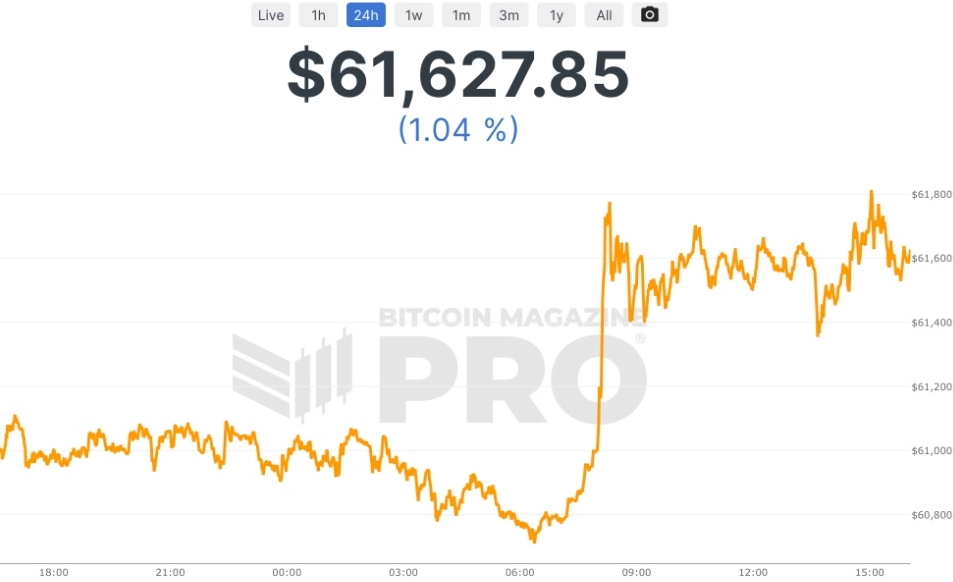
Your Quick Market Navigator
Today's Bitcoin Price Snapshot & Key Levels
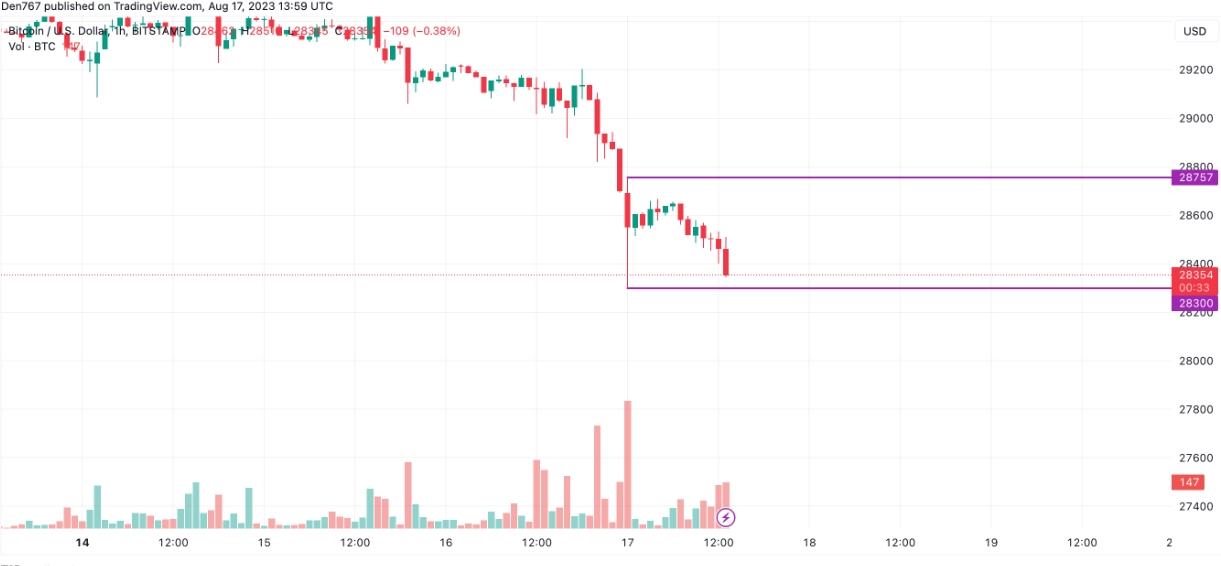
Let's start with the raw numbers. As of this morning, Bitcoin is trading around $62,300. That's down about 4% from its weekly high, but crucially, it's holding above the $60,000 psychological support level. The 24-hour trading volume is decent, sitting at around $28 billion, which suggests this isn't a dead, illiquid market—people are actively participating.
Now, here's where beginners get tripped up. They see "support" and "resistance" as magic lines. They're not. They are zones where a large number of buy or sell orders are clustered, based on historical data and current market structure. I use TradingView for my charting, and the order book heatmaps from exchanges like Binance and Coinbase provide a clearer picture than any single line.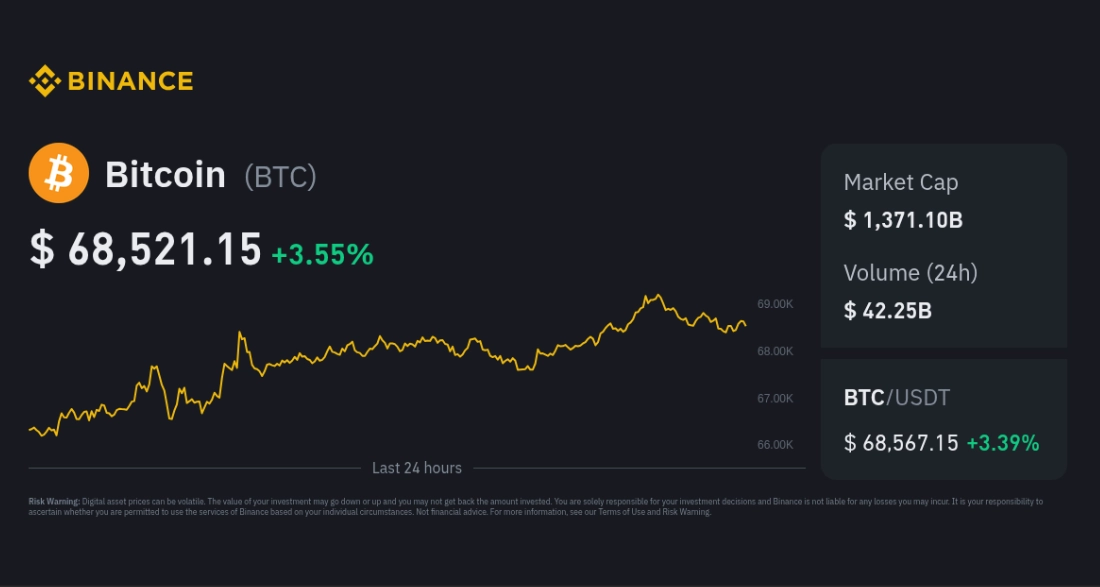
The immediate battle is between the $60,000 support and the $64,500 resistance. A daily close below $60,000 could trigger a flush towards $57,000, where the next major support cluster lies. Conversely, a convincing break above $64,500 opens the path to retest the $68,000 region.
Why These Levels Matter More Than You Think
I remember in late 2023, everyone was fixated on $30,000. When it broke, the move was explosive because it represented a massive shift in market structure. Today's $60,000 level is similar. It's not just a round number. It coincides with the 50-day simple moving average (a key trend indicator for many algorithmic traders) and was a previous consolidation area in March. If it breaks, automated sell-offs and stop-losses can amplify the move.
Decoding Market Sentiment & On-Chain Data
The price tells you "what," but on-chain data tells you "who" and "why." This is the difference between watching a game and knowing the players' strategies.
First, check the Fear & Greed Index. Right now, it's hovering around "Neutral" (a score of 52). That's a significant cooldown from the "Extreme Greed" we saw a month ago. This is healthy. Markets climb a wall of worry, not a slope of euphoria. When everyone is greedy, there are few buyers left. This neutral sentiment allows for a more sustainable grind higher.
Second, look at exchange flows. Data from Glassnode shows a slight net outflow from exchanges over the past week. More coins moving off exchanges into cold storage is generally a bullish sign of long-term holding (HODLing). It reduces immediate sell pressure.
| On-Chain Metric | Current Reading | What It Suggests |
|---|---|---|
| Exchange Net Flow (7d) | -12,000 BTC | Moderate accumulation, reducing sell-side liquidity. |
| MVRV Z-Score | 1.8 | Market value is above realized value, but not in extreme bubble territory. |
| Active Addresses | 950,000 (7d avg) | Healthy network activity, not at peak speculation levels. |
| Long-Term Holder Supply | Steady/Increasing | Conviction among veteran holders remains firm. |
The takeaway? The underlying holder base isn't panicking. This feels more like a shakeout of leveraged short-term traders than a fundamental shift in investor conviction. That's a subtle but critical distinction most news headlines won't make.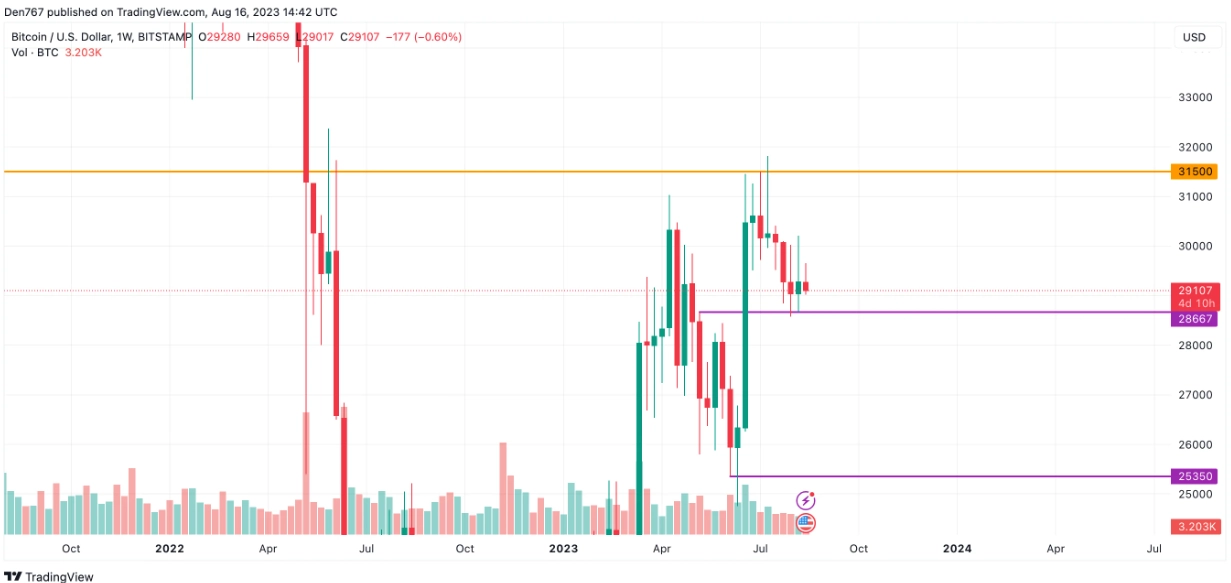
Key Drivers Moving the Market Right Now
Bitcoin doesn't trade in a vacuum. Three main things are tugging at the price today.
1. Macroeconomic Jitters & the Dollar: The U.S. Dollar Index (DXY) has been strengthening recently. Bitcoin, as a risk asset and an alternative to fiat, often moves inversely to the DXY. Stronger dollar, weaker BTC, all else being equal. Everyone's eyes are on the Fed's next meeting minutes and inflation data (CPI/PCE). Higher-than-expected inflation could push rate cut expectations further out, supporting the dollar and pressuring crypto. This is the dominant macro overlay right now.
2. ETF Flows Are the New Kingmaker: The spot Bitcoin ETFs (like those from BlackRock's IBIT and Fidelity's FBTC) have become the single most important daily demand metric. You can track these flows daily. After weeks of massive inflows, we've seen a couple of days of net outflows recently. This isn't catastrophic—it's normalization. But the market has gotten hooked on that daily institutional buying. When it pauses, the price reacts. It's a new, more transparent, but also more short-term reactive mechanism.
3. Miner Behavior Post-Halving: The April 2024 halving cut miner rewards in half. Some less efficient miners are under pressure. We're watching miner outflow metrics closely. If miners start selling more of their coin reserves to cover costs, it adds a steady, mechanical sell pressure. So far, it's been manageable, but it's a background factor that wasn't present six months ago.
Short-Term Trading Outlook & Scenarios
So, what's the play? I'm not here to give financial advice, but to outline how I'm framing the market. I see three plausible scenarios for the coming week.
Scenario A (Bullish - 40% probability): Price holds firmly above $60,000, consolidates for a few days, and then, on a catalyst like positive ETF inflow data or a soft CPI print, stages a rally to break $64,500. Target: $67,000-$68,000.
Scenario B (Neutral/Range-Bound - 50% probability): The most likely path. Bitcoin chops between $60,000 and $64,500. This is a digestion phase after the big run-up. Traders get whipsawed, but long-term holders just sit tight. This is boring but healthy.
Scenario C (Bearish - 10% probability): A break and daily close below $59,500 triggers a sharper correction. The target becomes the next strong support around $57,000 (200-day MA zone). This would likely require a severe macro shock or a sustained period of heavy ETF outflows.
My personal bias? I'm leaning towards Scenario B. The market needs to cool off time-wise, not just price-wise. I'm using this period to review my portfolio, ensure my stop-losses are in sensible places (not too tight), and maybe add a small amount to my core position if we see a flush towards $60,000. I'm not chasing breakouts or panicking on dips.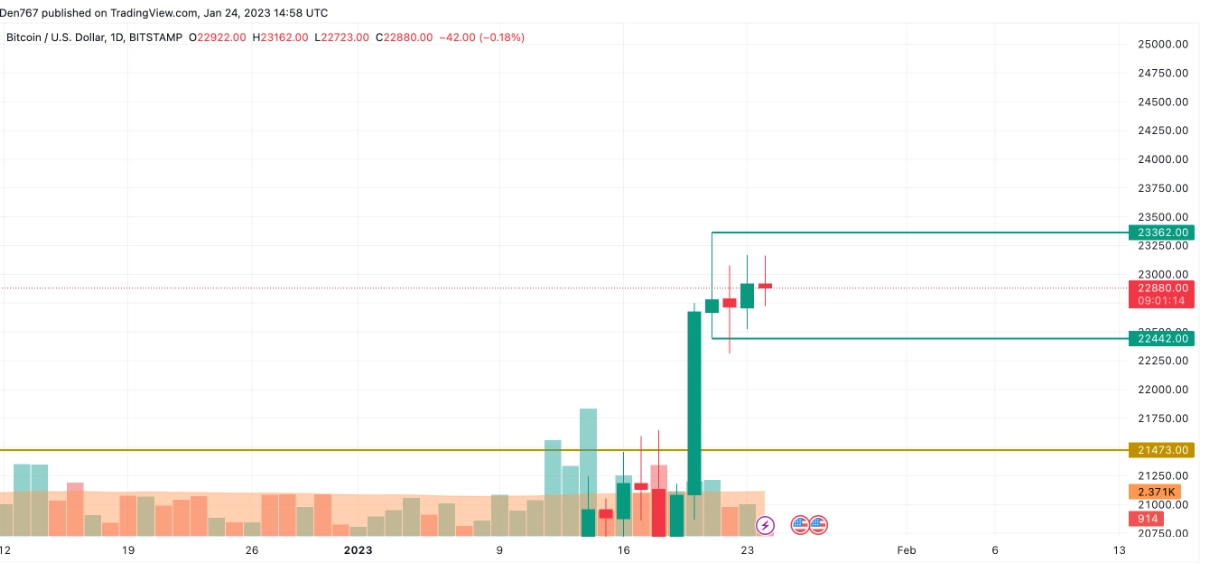
Your Burning Bitcoin Market Questions
 How do the Bitcoin ETFs actually affect the daily price?
So, what is the BTC market today? It's a market in transition—from the post-ETF frenzy to a phase where macroeconomics and real adoption need to carry the weight. The price action is messy, sentiment is mixed, but the foundational on-chain data suggests this is a pause, not a reversal. Stay focused on the key levels, respect the macro winds, and don't let the daily noise dictate your long-term strategy. The market's job is to shake out the weak hands. Your job is not to be one of them.
Reader Comments