Let's cut through the noise. You hear about the top cryptocurrencies every day, but what does that list actually mean for you? Is it just a scoreboard for speculators, or a map of the digital economy's building blocks? I've been watching this space for a decade, and I can tell you, most people read these lists wrong. They see rankings and think "buy." They should see functions and ask "why?" This isn't about picking the shini new token; it's about understanding the foundational layers of a financial revolution, complete with all its promise, pitfalls, and profound boredom.
What You'll Find Inside
What Makes a Cryptocurrency ‘Top’?
Forget popularity contests. In the cold, hard logic of finance, the primary metric is market capitalization. It's simple: (Current Price) x (Total Circulating Supply). A higher market cap generally suggests a larger, more established network with (theoretically) lower volatility. CoinMarketCap is the go-to source for this data.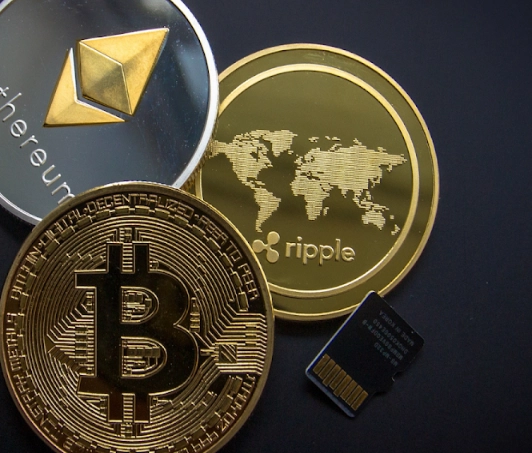
But here's the expert nuance everyone misses: market cap can be gamed. A low-supply, highly pumped token can briefly flash a high market cap. That's why longevity and liquidity—how easily you can buy or sell large amounts without moving the price—are the true tests. A top cryptocurrency should have deep order books on major exchanges like Coinbase or Binance. I learned this the hard way early on, getting stuck in a "top 50" project I couldn't sell without crashing its price.
So, when we talk about the top 10, we're really talking about the most resilient, liquid, and widely adopted networks in existence. They've survived multiple market cycles, hacker attacks, and their own internal drama. That survival instinct matters more than any whitepaper promise.
The Top 10 Breakdown: More Than Just a Number
Here’s the snapshot. But the table is just the appetizer. The real flavor is in the story behind each one.
| Rank | Name (Symbol) | Primary Function | Key Differentiator |
|---|---|---|---|
| Top 1 | Bitcoin (BTC) | Digital Store of Value / Settlement Layer | First, most secure, maximal decentralization. The "digital gold" narrative. |
| Top 2 | Ethereum (ETH) | Decentralized Application Platform | Smart contracts. The foundation for DeFi, NFTs, and thousands of apps. |
| Top 3 | Tether (USDT) | Stablecoin (Fiat-Pegged) | Liquidity backbone of crypto trading. Pegged 1:1 to the US Dollar. |
| Top 4 | BNB (BNB) | Exchange Utility & Chain Governance | Fuels the Binance ecosystem—fee discounts, transactions on BNB Chain. |
| Top 5 | Solana (SOL) | High-Speed Smart Contract Platform | Extremely low fees and fast transactions. A key Ethereum competitor. |
| Top 6 | USDC (USDC) | Stablecoin (Fiat-Pegged) | Regulated, transparent reserves. Backed by Circle and Coinbase. |
| Top 7 | XRP (XRP) | Cross-Border Settlement | Built for institutional payment corridors by Ripple Labs. Fast & cheap. |
| Top 8 | Cardano (ADA) | Smart Contract Platform (Research-First) | Peer-reviewed, methodical development. Focus on security and sustainability. |
| Top 9 | Dogecoin (DOGE) | Meme Coin / Payments | Community-driven, low-fee payment coin. The original meme cryptocurrency. |
| Top 10 | Avalanche (AVAX) | Smart Contract Platform | Subnet architecture for custom blockchains. Balances speed and decentralization. |
Now, let's get into the weeds.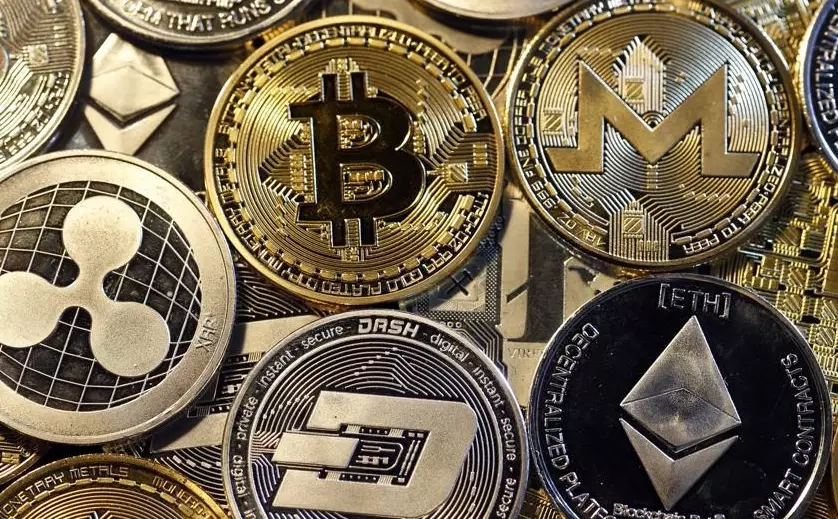
The Tier 1 Assets: BTC & ETH
Bitcoin is the protocol. It's boring, and that's its superpower. Its development is slow and conservative by design. It won't host your NFT game. It exists to be secure, predictable, and censorship-resistant money. The investment thesis is simple: do you believe a decentralized, digital, hard-cap asset has a role in the future global monetary system? If yes, you understand Bitcoin. If you're looking for 100x moonshots, you're in the wrong place.
Ethereum is the digital economy. It's where the action is—and where the gas fees (transaction costs) can be painfully high. Its move to "Proof-of-Stake" (The Merge) was a monumental shift, cutting energy use by ~99.95%. The buzz now is around spot Ethereum ETFs potentially getting approval, following Bitcoin's path. This isn't just about price; it's about legitimizing the entire utility blockchain narrative for traditional finance.
The Essential Utilities: Stablecoins
USDT and USDC aren't exciting investments—they're designed to stay at $1. They are the plumbing. They let traders move in and out of volatile assets without going back to traditional banks. The key difference? Perception of risk. USDC is known for its transparent, audited reserves of cash and bonds. Tether has faced more scrutiny over its backing but remains the most liquid. For most holders, using USDC for longer-term holding and USDT for active trading is a common, if unspoken, practice.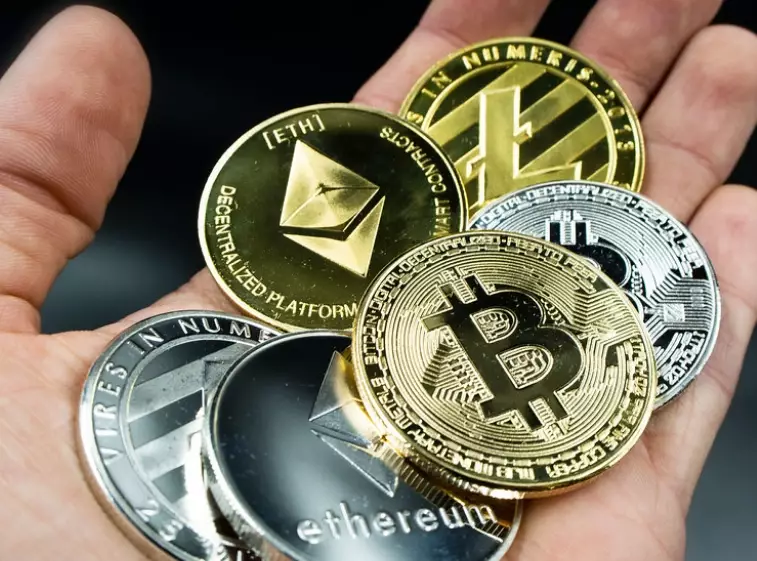
The "Ethereum Competitors" (A Misleading Label)
Solana, Cardano, Avalanche—they're often lumped together as "ETH killers." This framing is a mistake. They have different trade-offs. Solana prioritizes speed and cost, but has faced network outages. Cardano prioritizes rigorous, slow development to avoid those outages. Avalanche offers a modular approach for institutions to build their own blockchains.
My take? The future is multi-chain. Ethereum will likely be the high-security settlement layer for mega-apps, while Solana or Avalanche handle high-throughput, consumer-facing applications. Betting on one to "kill" the other is a tribal sport, not an investment strategy.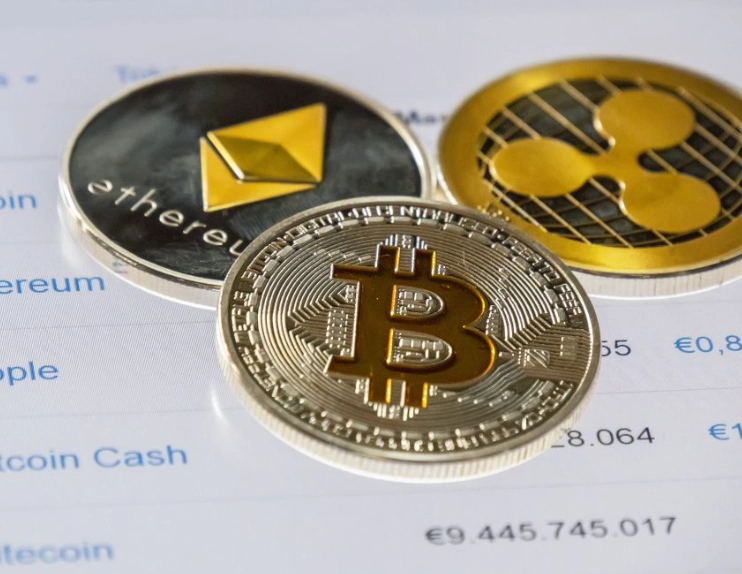
How to Use This Top 10 List Beyond Just Copying It
Don't just buy the top 10. Use the list as a research shortlist.
First, categorize by function. Group them: Store of Value (BTC). Platform/App Layer (ETH, SOL, ADA, AVAX). Stablecoins (USDT, USDC). Utility Tokens (BNB). Specialized Payments (XRP, DOGE). This tells you what part of the crypto economy you're actually investing in.
Second, ask the uncomfortable question: "What happens if this project fails?" For Bitcoin, the answer is "the entire narrative collapses." For a stablecoin, it's "I lose my peg to the dollar." For an app platform like Solana, it's "the apps migrate elsewhere." Understanding the failure mode clarifies the risk.
Finally, look beyond the price chart. Read the project's own documentation. See who's building on it. Check if its key metrics (like daily active addresses, Total Value Locked in DeFi) are growing alongside or independent of the price. Price can be manipulated; organic usage is harder to fake.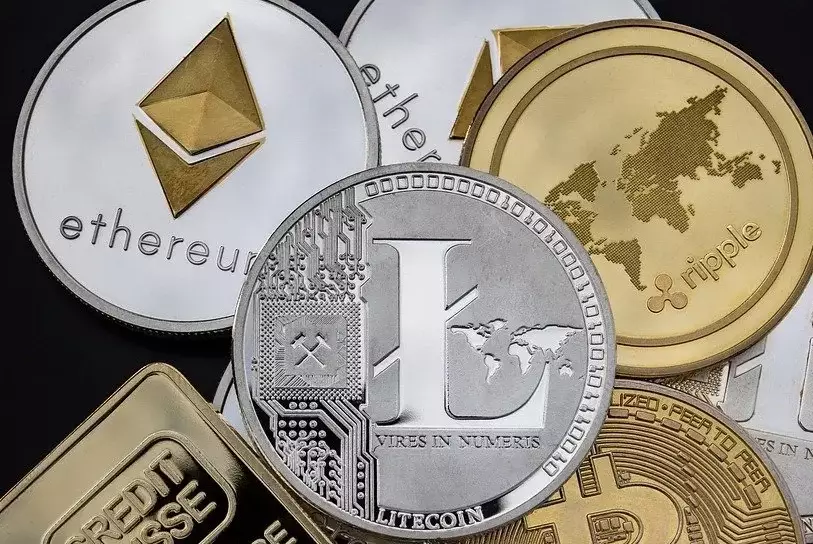
Common Pitfalls to Avoid When Evaluating Top Cryptos
I've seen these mistakes over and over.
- Confusing Correlation with Cause: Just because Binance Coin (BNB) is in the top 5 doesn't mean it's a decentralized wonder. Its value is heavily tied to the success and regulatory fate of the Binance exchange. That's a different kind of risk.
- Ignoring the Regulatory Overhang: Look at XRP. Its years-long lawsuit with the U.S. SEC created massive uncertainty. The top 10 list includes projects in various stages of regulatory combat. This isn't abstract—it can freeze trading on major U.S. exchanges overnight.
- Falling for the "Digital Gold vs. Digital Oil" Trap: People love to say "Bitcoin is gold, Ethereum is oil." It's a catchy metaphor, but it simplifies Ethereum into mere fuel. ETH is the land, the oil, and the refinery. It's a productive asset that can generate yield (through staking), which Bitcoin fundamentally does not. This is a crucial distinction for income-seeking investors.
Your Top Crypto Questions, Answered
The top 10 list is a living snapshot. Projects will rise and fall. Today's darling might be tomorrow's cautionary tale. The constants are the core ideas: decentralized value, programmable money, and the relentless, messy innovation trying to build a new financial system. Your job isn't to find the winner-take-all champion. It's to understand the game being played.
Reader Comments